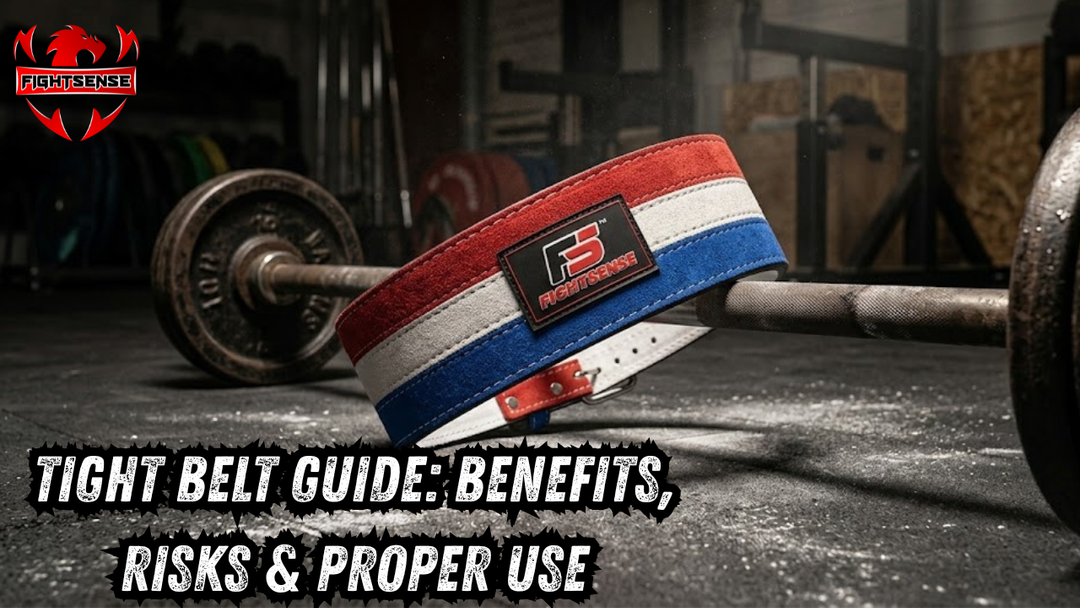
Tight Belt Guide: Benefits, Risks & Proper Use
Many gym beginners believe wearing a tight belt automatically protects the back and improves strength. But in reality, a lifting belt is not magic—it’s simply a support tool that works only when used correctly.
Some lifters use a tight weightlifting belt for better stability during squats and deadlifts, while others avoid it because they fear it can weaken the core over time. So which side is right?
The truth is somewhere in the middle.
A tight lifting belt can improve bracing and support during heavy lifts, but overusing it may create dependency and hide poor lifting technique. That’s why understanding both the benefits and disadvantages is important before adding one to your training routine.
Keynotes:
- A tight belt works as a performance enhancer, not a replacement for strength or technique.
- It is most effective during heavy compound movements where core stability is critical.
- Proper fit is key—secure enough for support, but still allowing controlled breathing and bracing.
- Excessive use may weaken natural core activation and reduce functional strength over time.
- Skilled lifters apply the belt strategically to improve performance, not as a daily reliance.
What’s a tight belt?
A weightlifting belt (also known as a gym belt or tight belt) is worn around the waist when doing hard strength training workouts. It’s used to increase intra-abdominal pressure that helps the lifter stabilize the spine during the lift.
When to Use Lifting Belts:
- Squat
- Dead Lift
- Overhead presses
- Powerlifting Training
Many athletes will use a constructed weightlifting belt or lever belt from a company like Fightsense to give them more support during hard compound exercises.
How Does a tight lifting belt Function?
A lifting belt does not support your spine directly. Instead, it provides something for your core muscles to brace against.
If you take a deep breath and push your abdomen out against the belt, you’ll stabilise your body. This helps with posture and control in large lifts .
That’s why old lifters will only use a tight belt for high intensity sets.
Top Benefits of Using a Tight Weightlifting Belt:
A well-used tight gym belt can improve stability and performance during lifts.
Upgraded Core Bracing
One of the main benefits of a tight belt is enhanced core activation during huge lifts. The belt helps you create more abdominal pressure to stabilise your torso better.
This is particularly useful during:
- Deep knee bends
- Dead-lift
- Barbell rows
- Overhead Press
Greater stability in heavy lifts
A weightlifting belt that fits correctly can help prevent needless torso movement when you are lifting heavy. Many powerlifters wear belts to help keep them in a safer and more regulated lifting stance.
Better Lifting Confidence
Lifting heavy weights requires as much mental confidence as physical strength. Many gym athletes feel safer attempting tough lifts with a belt.
That added steadiness frequently leads to better focus and performance.
Beneficial for Weight Lifting
A tight weightlifting belt might be useful for:
- Strength work with low reps
- PR tries
- Compound exercises that are heavy
- Powerlifting Workouts
That’s why firms that produce supportive gym gear like Fightsense create lever belts and lifting belts expressly for strength training.
Disadvantages of a narrow waist:
Lifting belts can be beneficial, but if you use them incorrectly, it might lead to problems over time.
Over-reliance on the Belt
Some lifters rely too heavily on the belt and cease training natural bracing. This can decrease core strength over time.
Restriction of Breathing
If a belt is overly tight, it might make it difficult to breathe and affect performance. It should feel safe, not painful.
Conceals Poor Technique
A belt can disguise weaker form, allowing a lifter to lift heavy even if they’re using improper technique, which can increase the risk of injury.
Not Required for Every Workout
Using a belt for light or solitary work offers little value and can generate unneeded dependence.
How to Wear a tight lifting belt Correctly?
1. For Heavy Loads Only
The belt is only for hard squats, deadlifts, or overhead presses, not for light or warm-up sets.
2. Not Too Tight, Just Right
It should feel snug but you should still be able to breathe and engage your core properly.
3. Brace Correctly
Breathe in deeply, engage your core and push on the belt, then lift.
4. Don’t Overuse
Avoid wearing it during every workout. And use it as a support tool and not a daily habit.
5. Get It Right
For optimal support, wrap the belt around your mid-section, between the ribs and hips.
Practical Guide to Using a tight lifting belt:
Only for hard compound movements such as squats, deadlifts and overhead presses should a tight belt be utilised. It's designed to support your core under severe loads—not for every activity.
In practice, lifters wear the belt tightly, but not so tight that it interferes with breathing and good bracing. Typically skipped in warm-ups, mild sets, and isolation workouts.
Good form, use the belt for the heavier lifting and your core naturally for everything else. Simple.
Most Common Mistakes People Make Using gym belt:
Don’t make these frequent lifting belt mistakes:
- Tightening the belt too much
- Applying it on each exercise
- Improper lifting technique
- Belt dependent instead of strengthening core strength
- Wearing the belt too high or low
How you use a belt is just as important as what belt you choose.
Final Thoughts:
A tight belt can be a beneficial tool for boosting stability, bracing and confidence during heavy strength exercises. But, like other gym gear, it should be used properly and in moderation.
- Balance is the greatest way to go:
- Build core strength naturally
- Focus on quality of technique
- Use a belt only for heavy lifting when necessary
Used correctly, a good weightlifting belt may complement your workout without being something you rely on every day.
FAQs:
1. Is a tight belt bad for your core?
Not necessarily. However, overusing a lifting belt may reduce natural core engagement if you stop training your bracing muscles properly.
2. Can a lifting belt prevent injuries?
A lifting belt may improve stability during heavy lifts, but it cannot fully prevent injuries. Proper technique and smart training are still the most important factors.
3. Should beginners wear lifting belts?
Beginners can use lifting belts for heavy compound movements, but they should first learn proper lifting mechanics and core bracing.
4. Are lever belts better than regular belts?
Lever belts provide a firmer and faster fit adjustment, making them popular among powerlifters and heavy lifters.