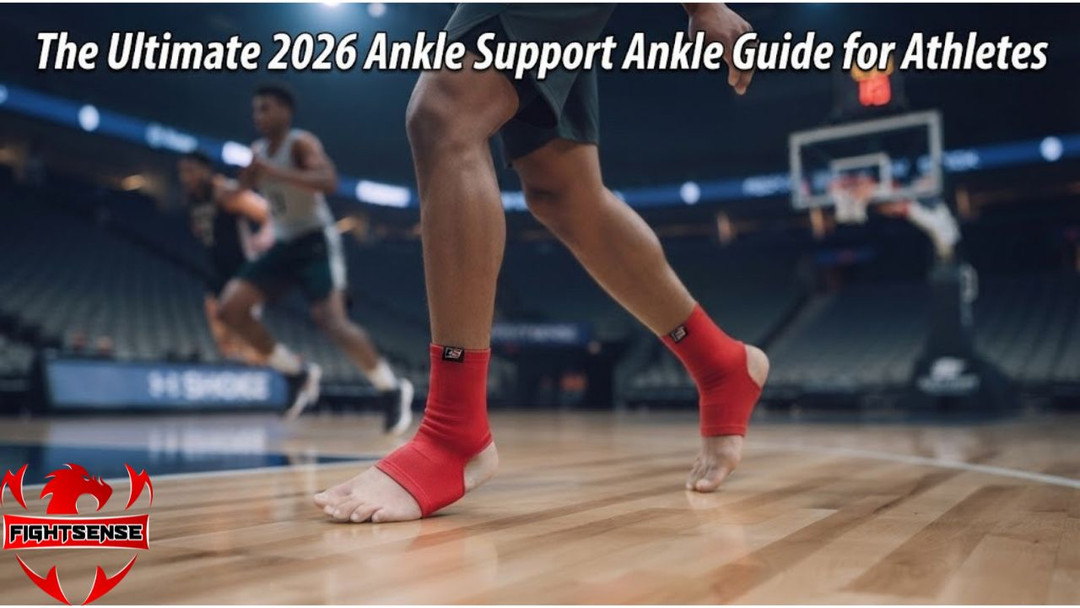
The Ultimate 2026 Ankle Support Ankle Guide for Athletes
Ankle support ankle gear is something every active person needs. When it comes to physical activities, ensuring your body is well-supported is essential for staying safe and moving with confidence. Among all your workout gear, one of the most crucial elements is reliable ankle support. Whether you're making sharp, sudden cuts on the court or engaging in high-impact training, the right support can make all the difference in preventing injuries and boosting your overall performance. In this blog, we'll explore why prioritizing your joint health matters, the key benefits of using proper equipment, and how to choose the right fit for your routine.
Key Highlights:
-
Injury Prevention: Proper ankle support ankle gear prevents common sprains in sports like basketball and running.
-
Enhanced Stability: The right equipment provides crucial joint stability to boost athletic performance.
-
Basketball Gear: High-top shoes and specialized braces offer maximum court protection.
-
Running Relief: Specialized support reduces joint impact and strain during long runs.
-
Smart Choice: Select your gear based on your sport, activity level, and comfort.
Why Using Proper Ankle Support Ankle Matters:
The ankle is one of the most frequently injured joints in sports. From painful sprains to long-term strains, these injuries can sideline athletes for weeks, making reliable ankle support ankle solutions crucial for both prevention and recovery.
A well-designed ankle brace or sleeve secures the joint, shields your ligaments and tendons, and keeps your ankle properly aligned during movement. This makes quality protection a vital part of any athlete’s daily gear, no matter the sport.
How to Properly Fit and Wear Your Ankle Support:
-
Snug, Not Restrictive: Your support should feel firm and secure around the joint, but it should never cut off your blood circulation, cause numbness, or turn your toes cold.
-
Direct Skin vs. Over Socks: Depending on the design, most compression sleeves and braces work best when worn directly against clean skin or over a thin, moisture-wicking athletic sock to prevent chafing and slippage during heavy movement.
-
Check Your Range of Motion: Once you put your gear on, test it out with a few light jogs or pivots. You should feel enhanced stability without the brace completely locking up your natural foot movement.
Performance and Injury Prevention:
Basketball Demands:
Rapid directional changes, explosive jumps, and sharp pivots put massive strain on the court. High-top shoes and specialized braces secure the joint, stopping dangerous lateral twists and keeping your performance high.
Running Impact:
Long-distance running subjects your ankles to constant, repetitive stress that can lead to overuse injuries. Lightweight compression sleeves dissipate these forces, minimizing joint stress and keeping you comfortable through every mile.
Common Signs You Need Ankle Support During Training:
-
Lingering Post-Workout Soreness: If your ankles feel unusually stiff, aching, or sore hours after a standard training session, the joint may be absorbing too much unmitigated stress.
-
Lack of Balance During Lateral Drills: Struggling to stay stable during side-to-side movements or feeling like your foot is slightly "rolling" out indicates a need for added external stabilization.
-
History of Minor Twists: If you have previously suffered mild sprains or minor rolls, the supporting ligaments are often stretched out, making targeted protection non-negotiable to prevent recurring injuries.
Quick Comparison: Choosing the Right Ankle Support Type
| Support Type | Best Suited For | Key Benefit | Ideal Activity Level |
| Compression Sleeves | Mild soreness & daily training | Enhances blood flow and reduces minor joint fatigue | Light to Moderate |
| Lace-Up Braces | Post-injury recovery & stability | Prevents dangerous rolling and lateral twisting | Moderate to High |
| Rigid / Hinged Braces | Severe instability & contact sports | Maximum structural protection for weak ligaments | High-Intensity / Competitive |
| High-Top Footwear | Basketball, court & combat sports | Built-in ankle collar support reducing impact shock | Dynamic Multi-Directional |
How to Choose the Right Gear for Your Sport:
Not all supports are created equal. Finding the right fit depends on your activity level, the sport you play, and your personal comfort. Key factors like breathable materials, snug fit, flexibility, and compression levels determine how well your gear performs.
For casual training, a lightweight ankle compression sleeve works wonders, while high-impact sports like basketball or soccer demand rigid braces or high-top shoes for maximum safety. Getting the right size ensures proper placement, preventing injuries and giving you total confidence in every movement.
Essential Gear for Every Competitive Athlete:
-
Cross-Discipline Protection: Whether playing soccer, tennis, or any dynamic sport, reliable gear from Fightsense is essential for safeguarding your joints against both overuse strain and sudden trauma.
-
Versatile Options: From rigid braces and flexible wraps to lightweight compression sleeves, there are diverse mechanisms designed to match the unique demands of your activity.
-
Sport-Specific Choices: High-mobility sports require robust gear to handle heavy strain, keeping your joints secure and your performance uncompromised under pressure.
Caring for Your Athletic Gear:
To get the most out of your protective equipment and keep it fresh for every workout, follow these simple maintenance tips:
-
Regular Washing: Hand-wash your sleeves and fabric braces regularly using mild soap and cold water to remove sweat, bacteria, and odors. Avoid machine drying, as high heat can break down elastic compression fibers.
-
Inspect for Wear and Tear: Check your straps, Velcro, and rigid supports frequently for fraying or weakening. Worn-out gear fails to provide adequate joint stabilization and should be replaced.
-
Proper Air Drying: Always let your gear air dry completely in a shaded, well-ventilated area rather than leaving it damp in your gym bag, which can cause material degradation and mold growth.
Conclusion:
Prioritizing your joint health and adding the right ankle support ankle equipment to your daily training routine is one of the smartest moves an athlete can make. Whether you are dominating the basketball court, logging intense miles on the track, or training across multiple disciplines, quality gear acts as your ultimate safeguard against setbacks. Choosing reliable protection ensures you stay fully active, recover with confidence, and perform at your absolute peak—keeping injuries from ever holding you back.
FAQs:
Q. How does compression improve joint stability?
It stimulates skin mechanoreceptors to enhance body awareness and quicken muscular responses against rolling.
Q. How do court sports and running impact the ankle differently?
Court sports involve high rotational torque requiring lateral rigidity, while running focuses on linear impact shock.
Q. When should an athlete switch from a rigid brace to a sleeve?
The transition happens after acute swelling subsides and basic neuromuscular control is regained.
Q. How do temperature changes affect elastic support materials?
Extreme cold can stiffen certain synthetic fibers, temporarily reducing their flexibility and stretch recovery rate.
Q. Can improper footwear counteract the benefits of an ankle brace?
Yes, worn-out shoe outsoles create uneven foot placement that forces braces to compensate beyond design limits.
Q. How do open-heel designs differ from closed-heel braces?
Open-heel variants maintain natural tactile feedback on the floor while closed designs prioritize complete heel enclosure.
Disclaimer:
The content provided in this blog is for informational purposes only. Always consult with a healthcare professional before using any form of ankle support, especially if you have pre-existing injuries or conditions.