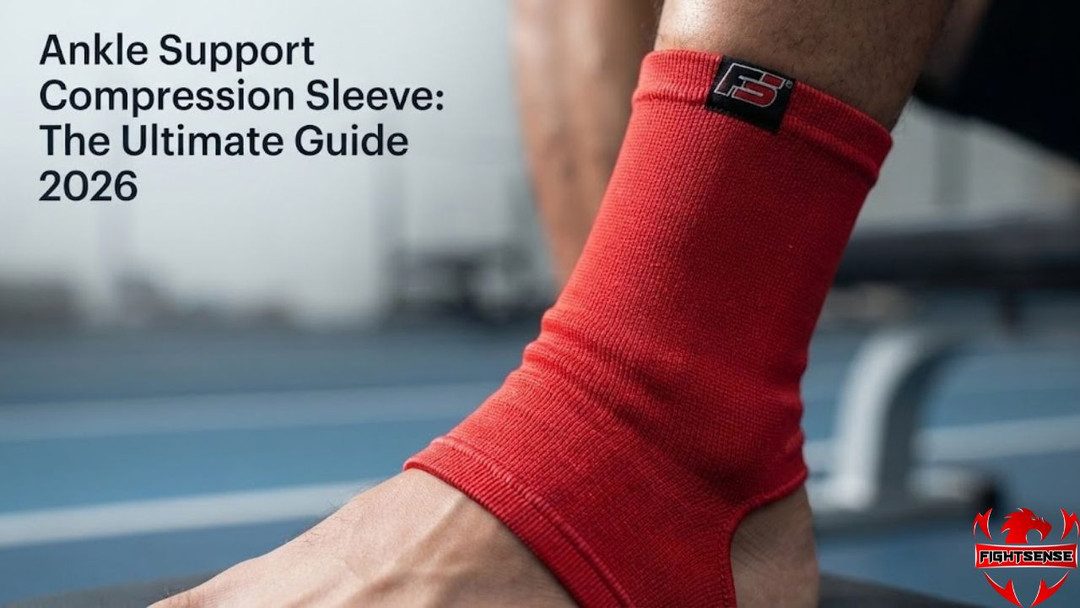
Ankle Support Compression Sleeve: The Ultimate Guide 2026
Whether you are recovering from a minor sprain or pushing through a heavy leg day at the gym, protecting your joints is essential. An ankle support compression sleeve provides targeted pressure that stabilizes the joint, improves blood flow, and reduces swelling. Without proper care, minor ankle stiffness can quickly sideline your fitness goals and ruin your training momentum. In this comprehensive guide, we will explore how these high-performance sleeves work, how to choose the right fit, and why adding an compression ankle sleeve to your gym bag is a game-changer for your overall athletic longevity.
What Is an Ankle Support Compression Sleeve?
An ankle support compression sleeve is a customized, tight-fitting elastic garment designed to fit tightly around your foot, arch, and lower ankle joint. Unlike stiff medical braces that have heavy metal hinges or cumbersome straps, today’s ankle compression sleeves utilize innovative, flexible fabric technology to deliver consistent, progressive pressure. The clever design supports soft tissue, ligaments and tendons without limiting your natural range of motion or hindering your footing.
How Ankle Compression Technology Works
Medical-grade elasticity and progressive pressure distribution are the secret to every high-quality ankle compression wrap. The sleeve applies even pressure across the arch of the foot and lower calf to enhance local blood circulation. Increased blood flow also helps with oxygen delivery to weary muscles, as well as the removal of metabolic waste products (such lactic acid) that directly contribute to post-exercise pain and joint weariness.
Key Benefits for Athletes and Active Individuals
When you invest in a good ankle support compression sleeve, you can reap a number of structural performance and recovery benefits:
- Relieve Pain and Inflammation: Effectively relieves swelling and pain from plantar fasciitis, moderate tendonitis or minor twists.
- Improved Joint Stability and Proprioception: Heightens your body's sense of joint placement, reducing the chance of mishaps in dynamic movements.
- Faster Muscle Recovery: Accelerates tissue repair cycles following high-intensity physical effort or long-distance endurance jogging.
- All-Day Comfort: Lightweight profiles fit seamlessly beneath running shoes, cross-trainers, heavy lifting shoes, or sports cleats without friction.
The Anatomy of an Injury: Why Your Ankles Need Protection
Every step, every jump, every pivot takes a toll on your ankle joint. High impact sports, difficult landings, uneven outdoor surfaces and large lifting loads create tremendous shearing stress on the lateral ligaments. These micro-traumas can build up over time and result in chronic instability. An Ankle brace sleeve is a preventative barrier that provides constant sensory feedback and mechanical reinforcement to maintain your lower kinetic chain secure.
Why Quality Matters: The FightSense Advantage
Not all gear on the market is created equal in terms of durability, reliable stretch retention, and ergonomic joint support. FightSense provides specialized sports clothing, combat accessories and fitness equipment for the adult athlete who is engaged in intense daily training programs. Their developed ankle support compression sleeve is made from breathable, moisture-wicking synthetic blends that keep consistent elasticity with heavy wear for long-lasting performance, improved comfort, and reliable joint protection throughout your most rigorous training sessions.
Choosing the Right Size and Material Blend
Finding the right fit is key to getting the most out of your investment. A sleeve that is too tight will limit blood flow while a sleeve that is too loose will not offer the therapeutic pressure needed.
- How to measure your arch properly: Instead of guessing, always consult the brand’s exact sizing chart based on your arch circumference and lower ankle girth.
- Check the mix of materials: Look for nylon/spandex blends that are performance fabrics and have four-way stretch, sweat-wicking and antimicrobial characteristics.
Step-by-Step Guide: How to Wear and Maintain Your Sleeve
- Inspect the Garment: Before you put it on, see that the correct heel pocket is clearly defined and check for structural damage.
- Slide it the right way: Roll the upper cuff of the sleeve down a little and stick your foot through the opening and place your heel firmly inside the heel cutout.
- Smooth the Material: Roll the top section gently over the lower calf, ensuring that there are no creases, twists or pinches in the material.
- Wash Instructions: Hand wash gently in cold water with mild liquid detergent. Air dry naturally to protect the internal elastic fibers.
Comparison: Compression Sleeves vs. Traditional Braces
|
Feature |
Ankle Support Compression Sleeve |
Traditional Hinged Medical Brace |
|
Mobility & Flexibility |
High flexibility; ideal for active sports and workouts |
Rigid structure; severely restricts extreme lateral movement |
|
Bulkiness & Fit |
Slim, low-profile design fits inside any standard athletic shoe |
Bulky structure; often requires buying larger shoes |
|
Primary Use Case |
Mild pain relief, everyday recovery, and light joint stability |
Severe ligament tear recovery and post-surgery stabilization |
|
Breathability |
High; utilizes advanced moisture-wicking athletic fabrics |
Low; heavy neoprene or plastic materials trap heat and sweat |
Pros and Cons of Using Compression Wear
- Pros:
- Improves daily movement, lowers joint stiffness, and builds confidence throughout training.
- Very easy to put on fast and wear discreetly under socks or pants.
- Affordable alternative to large medical hardware for dealing with small aches.
- Cons:
- Does not immobilize grade three ligament ruptures or serious bone fractures.
- Has to be the correct size so that it doesn’t roll, slide down or scrunch up when you’re moving.
Common Mistakes to Avoid During Workouts
- Guessing Your Size. Buying a sleeve based on shoe size rather than by measuring your real ankle and arch circumference.
- Ignoring Persistent Pain: Using a compression sleeve to disguise prolonged, intense pain instead of getting a professional medical evaluation.
- Improper Machine Drying: Throwing compression gear into high heat industrial dryers, which permanently ruins the elasticity.
Expert Tips for Maximum Recovery and Performance
- Combine the use of ankle compression sleeves with organized active recovery practices such as dynamic stretching, foam rolling, and staying well-hydrated.
- Don't simply use it when you're relaxing after working out but also during your training sessions (especially if you are doing high-impact training). This way you will get constant feedback on the stability of your joints.
- If you use the compression sleeve for long periods of time, let your skin breathe by taking the sleeve off for a few hours every day.
FAQs:
Can you wear an ankle support compression sleeve while you sleep at night?
In general, you should take off compression wear when you sleep unless a medical professional tells you otherwise, because when you’re lying down your body doesn’t need active joint stability.
Will this sleeve fit nicely inside my ordinary running shoes?
Yes. Quality compression sleeves are low-profile and seamless and can be comfortably worn in ordinary running shoes, cross-trainers or sports cleats.
Compression Sleeve to Prevent Sudden Ankle Sprain?
It won't stop catastrophic traumatic injuries but it does increase the proprioception and stability of your joint, which will greatly decrease the chance of a little misstep.
Can I put my compression sleeve in the washing machine?
Hand washing in cold water is always ideal to keep elasticity but if you use a machine, place the sleeve inside a mesh laundry bag on a soft cycle.
Is it possible to swim or do water sports in this sleeve?
Many synthetic fabric mixes are water friendly, but extended exposure to pool chlorine or saltwater can destroy the elastic spandex fibers over time.
Do ankle sleeves improve plantar fasciitis?
Yes! The targeted progressive compression across the arch helps relieve excess tension of the plantar fascia ligament, and is effective in minimizing severe heel pain in the morning.
How long do compression sleeves last?
If used daily and cared for properly, a high quality athletic sleeve will retain its structural compression effectiveness for about 6 to 12 months.
Summary:
Protecting your joints is the ultimate key to longevity in sport, exercise and daily activity. Add a sturdy ankle support compression sleeve to your routine and stay solid, confident and pain-free during every step. Don’t let weariness in your small joints prevent you from achieving your next personal best or maintaining your active lifestyle. Get the correct gear today and feel the incredible difference that good support makes to your everyday performance.
Disclaimer:
This blog is for educational purposes only. It is not intended to replace medical advice. Always consult a healthcare provider for proper diagnosis and treatment related to ankle injuries or conditions.