
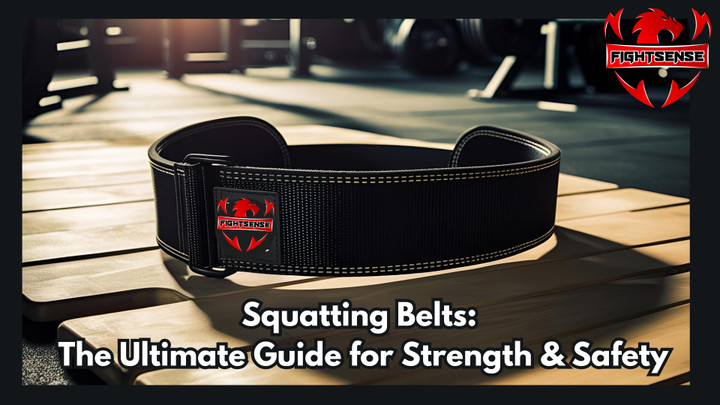
Squatting Belts: The Ultimate Guide for Strength & Safety
21st Mar 2025
For weightlifters, powerlifters, and fitness buffs trying to increase stability and strength during lifts, a squatting belt is a must-have tool. The correct belt will make a big impact whether you're squatting with it to prevent injuries or for additional core support.
Along with its benefits and varieties, this article will discuss why, what, where, how, and when to utilize a squatting belt.
Key Highlights
-
By stabilizing the lower back, a squatting belt lowers tension and helps to avoid injuries.
-
Belt-based squatting improves core strength and aids lifters in securely managing greater weights.
-
Depending on your training needs, select from weightlifting belts, powerlifting belts, and other specific support belts.
-
Squatting helps correct posture by use of a back support belt, so reducing lower back discomfort risk.
-
The best benefits come from a well-fitting belt free of over-reliance or discomfort.
What Is a Squatting Belt?
Designed to assist the lower back and core during large lifts, a belt is a specific weightlifting belt. Usually composed of leather or nylon, it fits securely with adjustable buckles or lever mechanisms.
Why Use a Squatting Belt?
-
Gives basic stability and lessens spinal tension.
-
Improves intra-abdominal pressure to maximize lifting performance.
-
Aids avoid lower back problems.
-
While squatting with a belt, it enhances form and posture.
Which is better for you: a squatting belt or no belt?
- With a belt: Increases pressure inside the abdomen, makes you more stable, and lets you lift more weight securely.
- Without a Belt: It helps your core grow, your balance, and your natural bracing.
- Best Practice: Beginners should work out without a belt to build up their basic strength, and then add a belt for larger lifts.
- Use Case: A belt gives you a safer edge when lifting more than 80% of your 1RM or during strength competitions.
How to Keep Your Squatting Belt in Good Shape and Store It
- Use a moist towel to clean often, especially after workouts that make you sweat.
- To keep it from smelling bad and breaking down, let it air dry after use.
- To keep the belt's shape and elasticity, don't let it get too much sun.
- Don't coil leather belts tightly; store them flat or hanging.
- Check the buckles and levers periodically to make sure they are tight when you raise.
Where to Use a Squatting Belt?
-
For big squats, deadlifts, and other compound movements, gym work.
-
Perfect performance and safety depend on powerlifting competitions.
-
Great for those squatters using a belt in a personal setup is home training.
How to Use a Squat Belt Properly?
-
Arrange the squat belt just above the navel.
-
Although you should tightly tighten the belt, give some breathing space.
-
To maximize support, first brace your core then raise.
-
Eliminate it between sets to avoid too dependent behavior.
When Should You Use?
-
When lifting heavy above eighty percent of your one-rep maximum.
-
If lower back problems run in your family.
-
Under high intensity belt squats.
-
When executing deadlifts, presses, and squats among compound movements.
Advantages
-
Improves strength and lifting performance.
-
Lessens damage and pressure on lower back.
-
Increases spinal alignment and posture.
-
Develops confidence in managing more weight.
Types
-
Leather Belts are Perfect for powerlifters, durable and strong; nylon belts are flexible and light for general fitness.
-
Lever belts fit competitive lifters quickly and securely.
-
Customizable belt and flexible for many body types are prong belts.
Common Mistakes to Avoid When Using a Squatting Belt
Squat belts are abused by many lifters, which lessens their advantages or even puts them at danger for harm. Typical errors include:
- Wearing the belt too high or too low: For the best spinal and core support, the belt should be worn around the navel and slightly above the hips.
- Overtightening: An excessively tight belt prevents normal bracing and breathing. To generate intra-abdominal pressure, you should still be able to take deep breaths.
- Using it for every workout: Wearing a belt for light sets, cardio, or isolated exercises is superfluous and can erode natural core strength. Avoid using it for all of your workouts.
- Ignoring core training: A belt is a tool for support, not a replacement. Long-term strength is ensured by concentrating on planks, ab rollouts, and unbelted lifts.
How to Choose the Right Squatting Belt for Your Training Style
Selecting the appropriate squat belt for you will depend on your fitness objectives.
- For heavy squats and powerlifting, a thick leather lever or prong belt (10–13 mm) offers the most rigidity and support.
- A leather belt that is tapered or curved provides support while increasing comfort and mobility for bodybuilding and general strength training.
- For CrossFit and Functional Training velcro-fastened lightweight nylon belts are perfect for making fast changes during dynamic activities.
- For novices, a flexible leather belt or a mid-range nylon belt provides sufficient support without being unduly constrictive.
Before making a purchase, always make sure the item is the right size, secure the buckle, and is long-lasting.
Shop Now !
Conclusion
A squatting belt is a game-changer for those serious about strength training. Whether you’re squatting with a belt for added support or injury prevention, choosing the right belt and using it correctly is crucial.
Incorporate it strategically in your training to enhance performance while maintaining safety and proper form.
Disclaimer
The information provided in this article is for educational purposes only. Consult a fitness professional or medical expert before using a squatting belt, especially if you have pre-existing conditions.
FAQs
1 Does a squat belt apply to every lift?
No; it's mostly helpful for deadlifts and squats, among strong compound lifts.
2. Should squatting should be tightened to what degree?
It should be tight enough to let room for core bracing and good breathing.
3. Does a squatting belt let novices use it?
Indeed, however, before depending on a belt, it is advisable to concentrate on building core strength.
4. A leather and nylon squatting differs in what ways?
Whereas nylon squatting belts are flexible and pleasant, leather belts provide additional support and hardness.
5. Which size of belt should I use?
Measure your waist about the navel; then, consult the manufacturer's sizing recommendations.