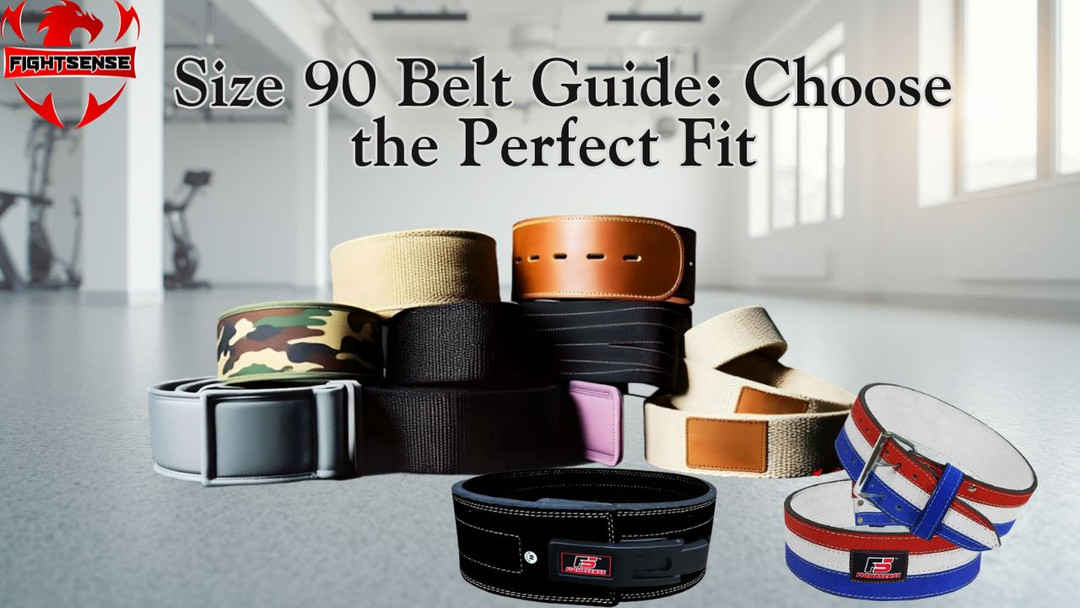
A Size 90 Belt may look like just another lifting accessory, but choosing the wrong size can affect your comfort, support, and training performance. Many lifters wonder what this size really means and whether it is the right fit for their workouts.
In this guide, we’ll uncover how to choose the perfect lifting belt, what makes a quality belt different, and how the right fit, material, and design can help you train with better stability, confidence, and support.
Key Takeaways:
- Perfect fit matters: The right belt size improves support and comfort.
- Measure smartly: Always check your waist before choosing a belt.
- Pick your style: Choose between lever and prong belts based on your training.
- Invest in quality: A durable belt supports long-term progress.
- Lift with confidence: The right belt helps you train stronger and safer.
What Does Size 90 Belt Mean?
A Size 90 Belt is a measurement used by manufacturers, however it does not always mean the same waist fit across all brands. The actual fitting range can vary based on the belt design, material and sizing system.
Don’t just pick a belt by number – always measure your waist and verify the brand’s size guide. A good fitting lifting belts should give your core good support, yet still allow you to move, breathe and brace effectively on hard lifts.
Which Types of Belts Are Available in Size 90?
A Size 90 Belt is available in different gym belt styles, depending on your training goals and support requirements. Each type is designed to provide a different level of comfort, stability, and performance:
- Size 90 Weightlifting Belt: Ideal for general strength training, squats, deadlifts, and regular gym workouts where core support is needed.
- Size 90 Lever Belt: Features a quick-locking mechanism that provides a consistent and secure fit, making it popular among serious lifters and powerlifting athletes.
- Size 90 Powerlifting Belt: Designed for heavy compound movements, offering maximum stability and support during intense lifting sessions.
- Size 90 Leather Belt: Made for durability and long-term use, providing reliable support while maintaining its shape over time.
Choosing the right belt depends on your workout style, lifting goals, and comfort preference. A properly fitted belt helps you train with better stability, confidence, and control.
How Can You Measure Yourself Before Buying a Belt?
One of the most critical procedures before buying any lifting belt is to measure your waist precisely.
A lot of people make the mistake of referring to the size of their jeans. But clothes sizes are not meant for lifting gear measurements.
Instead, do the following:
- Stand with a comfortable posture.
- Measure around the part of your body you wear your lifting belt.
- Do not hold the tape measure too tight yet hold it firm.
- Take your measurement in inches or centimeters.
- Compare your measurement to the brand’s official sizing chart.
This easy approach will enable you to avoid ordering a belt that does not offer the correct support level.
Remember the best belt is not usually the biggest or the thickest one. It’s the one that fits your body and your training requirements.
What Waist Size Usually Fits a Size 90 Gym Belt?
Many lifters search for a 90 waist size belt because they want to know whether it will provide the right support during workouts. However, the correct fit depends on your actual waist measurement and the manufacturer’s sizing system.
A general guide for gym belts looks like this:
|
Gym Belt Size
|
Approximate Waist Range
|
Best For
|
|
Small
|
25–30 inches
|
Beginners and smaller frame lifters
|
|
Medium
|
30–35 inches
|
Regular gym users and strength trainers
|
|
Size 90 Belt
|
Around 31–35 inches (brand dependent)
|
Lifters looking for balanced support and comfort
|
|
Large
|
36–42 inches
|
Bigger frame athletes and advanced lifters
|
Keep in mind that gym belt sizing can vary between brands and designs. Always check the official size chart before purchasing to ensure your belt provides the right combination of comfort, stability, and support during training.
How Can You Choose the Right Size 90 Belt for Your Training Goals?
Here are some things to consider before you decide:
- Training Experience: Beginners may choose a more comfortable and flexible belt while advanced lifters tend to prefer a more solid support for heavier lifts.
- Workout Style: Powerlifting, bodybuilding and general gym training may demand varying levels of support and belt styles.
- Belt Width: The wider the belt the more coverage it can provide to the core, and the slightly narrower design can provide better movement.
- How Often You Use It If you’re training many times a week, then investing in a sturdy belt with quality craftsmanship becomes more vital.
A good fitting 90 waist size belt should be in synergy with your body, your workout and your performance needs. The aim here is not only to wear a belt but to pick the one that fits your training journey and helps you lift confidently.
What Are Common Mistakes To Avoid When Buying A Belt?
- Choosing a belt by its looks and not its support, fit and quality of construction.
- Ignoring your waist measurement and using clothing/jeans size.
- Choosing the wrong belt thickness without taking into account your workout level and comfort.
- Not looking at durability, quality of material and long-term performance but only on price.
- Ignore the manufacturer's size chart as sizing may differ from brand to brand.
Should You Focus on Size or Brand When Buying a Lifting Belt?
The first thing you should always consider when buying a lifting belt is the size. A good brand will give you superior quality and longevity, but the best belt won’t support you correctly if it doesn’t fit your body properly.
Choose based on your waist size, exercise style and comfort requirements. Once you’ve found the proper fit, going with a trusted brand like Fightsense assures you’re getting a belt designed with quality materials, reliable support and long-lasting performance. The greatest option is not simply a popular brand, but a belt that has a combination of the proper size and reliable quality.
How Should You Maintain Your Belts?
A quality belt can last for years when maintained correctly.
Follow these simple care tips:
- Clean sweat from the belt after workouts.
- Store it in a dry place.
- Avoid folding or bending it unnecessarily.
- Keep the buckle or lever mechanism clean.
- Do not expose leather belts to excessive moisture.
Small maintenance habits can protect the belt’s condition and extend its useful life.
Upgrade Your Training With the Perfect Fit Lifting Belt
Get Yours Now!
FAQs:
1. How to Choose the Right Size 90 Lifting Belt?
Choosing the right fit depends on waist measurement, belt design, and training needs. A properly fitted lifting belt should provide support while allowing comfortable movement and proper breathing.
2. What to Consider When Buying a Size 90 Lifting Belt?
Before purchasing, consider waist size, belt material, thickness, locking system, and training style to select a belt that suits your lifting requirements.
3. Is a 90 cm Gym Belt Suitable for Heavy Lifting?
Yes, a properly fitted 90 cm gym belt can provide additional core support during heavy exercises like squats, deadlifts, and other strength movements.
4. Does Belt Material Affect Fit and Performance?
Yes, belt material plays an important role in comfort, durability, and support. High-quality leather and strong construction usually provide better long-term performance.
5. Why Is Checking a Belt Size Chart Important Before Buying?
Different brands may use slightly different sizing systems. Checking the size chart helps you avoid choosing a belt that feels too loose or too tight.
Final Thoughts:
The ideal Size 90 Belt is about finding the appropriate blend of fit, comfort, support and performance, not just a number. A good belt helps you feel more secure on large lifts and gives you the stability you need for tough workouts.
Before you make your final choice, examine your body measurements, your training style, and your support requirements.
Disclaimer:
This guide is for informational purposes only. Always choose a lifting belt based on your body measurements, training needs, and proper lifting technique.