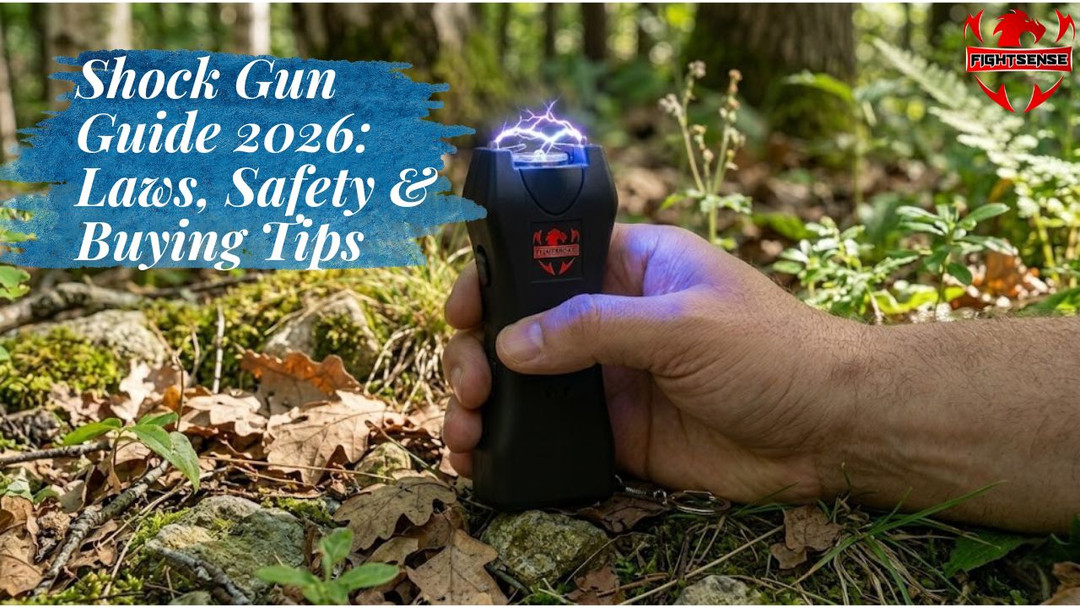
Shock Gun Guide 2026: Safety, Laws & How It Works
Shock gun in 2026, personal safety will become a major global concern. Urban environments are more crowded, travel patterns are faster, and people are increasingly looking for reliable ways to protect themselves without using lethal force.
Non-lethal self-defense tools are now widely preferred because they offer protection while reducing legal and ethical risks. Among these tools, one device has gained significant attention due to its portability and effectiveness.
A modern shock gun is designed to provide temporary incapacitation of a threat, giving users a chance to escape safely in dangerous situations.
However, despite its popularity, many users still misunderstand its legal boundaries, correct usage, and limitations. This guide explains everything in a simple, practical, and SEO-optimized way so users can make informed decisions.
Understanding the Concept of a Shock Gun
A compact electric self-defense tool is designed to temporarily disrupt neuromuscular control in the human body. It delivers a high-voltage but low-current electrical pulse that interferes with voluntary muscle movement.
This type of device is commonly used for personal protection, especially in situations where physical distance is minimal and immediate escape is required.
Unlike firearms or other lethal tools, its purpose is not to cause permanent injury but to create a brief window of safety for the user.
It is important to understand that effectiveness depends on:
- Contact duration
- Placement on the body
- User awareness
- Environmental conditions
How Electric Self-Defense Devices Work
To understand the mechanism, we need to break it down into simple steps:
Step 1: Activation
The device is powered on using a safety switch or button mechanism designed to prevent accidental discharge.
Step 2: Contact Phase
When the electrodes touch the target, electrical energy is transferred.
Step 3: Neurological Disruption
The electrical pulse interferes with nerve signals that control muscle movement.
Step 4: Temporary Immobilization
Muscles contract involuntarily, causing disorientation and loss of balance.
Step 5: Escape Window
The user gets a short but critical time to move away from danger.
This process is designed for defensive escape only, not confrontation.
Shock Gun vs Traditional Self-Defense Tools
Self-defense tools have evolved significantly over time. Traditional tools like batons or sprays operate differently compared to modern electric devices.
|
Feature |
Electric Device |
Pepper Spray |
Baton |
|
Range |
Close contact |
Medium range |
Close range |
|
Skill required |
Low |
Low |
Medium |
|
Legal complexity |
Moderate |
Varies |
Varies |
|
Effect type |
Neuromuscular disruption |
Irritation |
Physical impact |
Modern users often prefer electric-based tools due to ease of use and compact design.
Legal Status in 2026 (Global Overview)
Legal regulations vary significantly depending on country, state, and even city-level rules. Understanding legal boundaries is essential before purchase or carry shock gun.
United States
In many states, possession is legal, but:
- Some require permits
- Some restrict public carry
- Sensitive areas like airports and schools prohibit them
United Kingdom
These devices are illegal for civilian possession under weapon classification laws.
Canada
Strictly prohibited under national weapon regulations.
Australia
Highly restricted, with exceptions requiring permits in limited cases.
Pakistan
Generally available in the market, but users are expected to follow responsible usage practices and avoid misuse.
⚠️ Important: Misuse or illegal carrying can lead to penalties depending on local law enforcement policies.
Safety Guidelines for Responsible Use
Responsible handling is critical for both legal and personal safety reasons.
Basic Safety Rules
- Only use in real emergency situations
- Avoid unnecessary activation or testing
- Keep device away from children
- Do not use for intimidation or threats
- Always store in a secure but accessible place
Situational Awareness
Self-defense effectiveness depends more on awareness than equipment. Recognizing danger early is often more important than reaction tools.
Choosing the Right Self-Defense Device
When selecting a shock gun, several factors should be considered:
1. Build Quality
Durable materials ensure reliability in stressful situations.
2. Battery System
Rechargeable systems are preferred for long-term use.
3. Safety Lock Mechanism
Prevents accidental discharge during carry.
4. Size & Portability
Compact models are easier for everyday carry.
5. Grip Ergonomics
Anti-slip design improves handling under stress.
A well-designed device improves both confidence and usability.
Common Mistakes Users Make
Many first-time users misunderstand how self-defense tools should be used.
Frequent Mistakes
- Carrying without understanding legal restrictions
- Overestimating the device’s capability
- Not keeping it charged
- Using it in non-threatening situations
- Buying unverified or low-quality products
Avoiding these mistakes improves both safety and effectiveness.
Real-Life Effectiveness
In real-world situations, effectiveness depends on multiple factors:
- Reaction time of the user
- Distance from threat
- Stress level during incident
- Environmental conditions
- Proper handling technique
It is important to understand that no self-defense tool guarantees 100% protection. The main goal is always escape and survival, not confrontation.
Ethical and Legal Responsibility
Owning any self-defense tool comes with responsibility. Users must ensure:
- Legal compliance in their region
- Ethical usage in real emergencies only
- Proper understanding of consequences
Responsible ownership helps reduce misuse and legal issues.
Conclusion
In 2026, personal safety awareness is more important than ever. Modern self-defense tools offer convenience and protection, but they must always be used responsibly and within legal boundaries.
Understanding how shock gun work, their limitations, and legal implications ensures safer and more informed usage in real-life situations.
FAQs
1. What is an electric self-defense device designed to do?
These personal protection tools are intended to help create an opportunity to escape during a dangerous situation. They should only be carried and used responsibly within applicable laws.
2. How does a stun device work?
A contact-based electrical safety tool delivers an electric charge through its electrodes. The effects can vary depending on the device, contact conditions, and other real-world factors.
3. Can you legally carry an electronic protection device?
Rules differ between countries, states, and local jurisdictions. Always check current weapon and self-defense regulations before purchasing or carrying any electrical protection tool.
4. What should you consider before choosing a personal safety tool?
Look at portability, power reliability, safety features, build quality, charging requirements, and whether the product is legally permitted where you live.
5. How do you maintain a rechargeable defense device?
Follow the manufacturer's charging instructions, inspect the unit regularly, and store it safely. Proper maintenance can help ensure the equipment remains ready when needed.
6. What is the safest response after using a protection device in an emergency?
Leave the area when it is safe to do so and seek help from local authorities or emergency services. The primary purpose of personal protection equipment is to support escape rather than continue a confrontation.