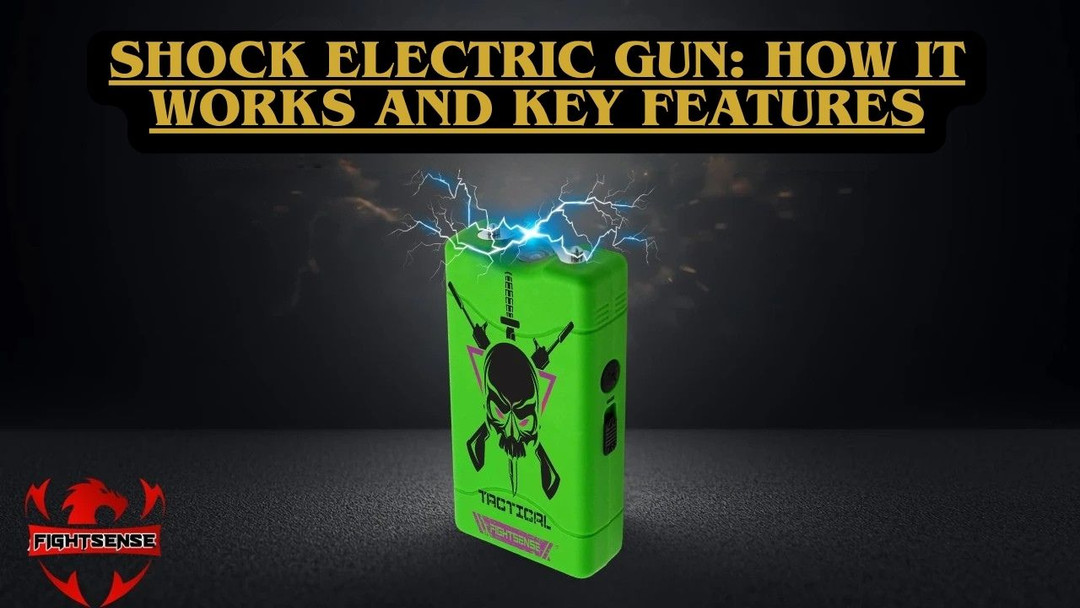
Shock Electric Gun: How It Works and Key Features
A shock electric gun is a handheld self-defense device designed to deliver an electrical discharge when used against an attacker. Unlike a conventional firearm, it is designed for personal protection rather than firing ammunition. However, an electric shock device can still cause injury, so it should always be handled responsibly.
Understanding how these devices work, what features matter, and what local laws apply can help you make a more informed decision when considering an electric stun gun for personal safety.
What Is a Shock Electric Gun?
A shock electric gun is a type of handheld electroshock self-defense device that delivers an electrical discharge through contact with a person. These devices are commonly referred to as stun guns or electric stun guns.
Depending on the model, a shock electric gun may include features such as:
- Compact and portable construction
- A rechargeable or replaceable battery
- A safety switch
- An LED flashlight
- An easy-to-use activation button
- A textured or ergonomic grip
Because designs vary, it is important to check the specifications and instructions for the specific model before purchasing or carrying one.
How Does a Shock Electric Gun Work?
A shock electric gun uses a battery-powered electrical circuit to create a high-voltage, low-current electrical discharge at its contact points. When the device is activated and makes contact, the electrical discharge can cause pain and temporary disruption of voluntary muscle control.
The actual effect can vary depending on the device, contact, duration, and individual circumstances. This is why advertised voltage alone should not be treated as a guarantee of effectiveness.
For safe handling, users should always follow the manufacturer's instructions and avoid unnecessary contact with people or animals.
Shock Electric Gun vs. Stun Gun: What's the Difference?
The terms shock electric gun, electric shock gun, and stun gun are often used interchangeably when discussing handheld electroshock self-defense devices.
In most consumer contexts:
- Shock electric gun: An informal term for a handheld device that delivers an electrical shock.
- Stun gun: The more commonly used term for a handheld electroshock self-defense device.
- Electric stun gun: Another common name emphasizing the device's electrical function.
- Electroshock device: A broader term that can describe different types of electrical self-defense equipment.
The exact design and features can vary considerably between models, so shoppers should focus on the product's specifications rather than the name alone.
What Features Should You Look for in a Shock Electric Gun?
Choosing a self-defense device involves more than looking at its advertised voltage. Consider the following features before making a purchase.
Safety Switch
A safety mechanism can help reduce accidental activation during storage or handling. Look for a design that allows you to control when the device is activated.
Comfortable Grip
A secure grip can make a handheld device easier to hold and control. An ergonomic or textured handle may be useful for everyday handling.
Compact Design
A compact stun gun can be easier to store and carry than a larger self-defense device. Consider where you intend to keep it and whether the size is practical for your needs.
Flashlight
Some stun guns include an integrated LED flashlight. This can provide useful illumination in dark areas while giving the device an additional everyday function.
Battery and Charging
Check whether the model uses a rechargeable battery or replaceable batteries. Also consider charging time, battery life, and how the device should be maintained.
Build Quality
Durable construction can be important for a device intended for personal protection. Look for clear product specifications and reliable materials rather than focusing only on advertised electrical output.
Understanding Stun Gun Voltage
Voltage is one specification commonly advertised for electric stun guns, but it should not be the only factor used to compare products.
A higher advertised voltage does not automatically mean that one device will provide better real-world performance than another. Electrical characteristics, contact, device design, battery condition, and other factors can affect how a device operates.
When comparing a shock electric gun, consider the complete product rather than choosing solely based on a large voltage number.
Other useful factors include:
- Safety features
- Battery performance
- Grip and handling
- Construction quality
- Flashlight functionality
- Size and portability
- Manufacturer specifications
This approach gives you a more realistic basis for comparing different electric stun guns.
Benefits and Limitations of Electric Stun Guns
A shock electric gun may appeal to people looking for a compact personal-safety device, but it is important to understand both its potential benefits and limitations.
Potential Benefits
- Portable: Many models are small enough for convenient storage.
- Simple controls: Basic designs can be straightforward to operate after proper instruction.
- Additional features: Some models include flashlights or other practical functions.
- Reusable: Unlike single-use defensive products, rechargeable models can be used repeatedly when properly maintained.
- Non-firearm design: Stun guns do not use conventional ammunition.
Important Limitations
A stun gun is not a guaranteed solution for every situation. Its performance can depend on the device, contact, battery condition, and circumstances. It can also cause injury if misused.
For these reasons, users should understand the product before carrying it and should never rely solely on a self-defense device for personal safety.
How to Use a Shock Electric Gun Responsibly
Responsible handling is an important part of owning any electroshock self-defense device.
Keep these safety practices in mind:
- Read the manufacturer's instructions before use.
- Learn how the safety switch and controls operate.
- Keep the device secured when it is not being used.
- Store it away from children.
- Avoid unnecessary activation or testing against people or animals.
- Check the battery and charging system according to the manufacturer's instructions.
- Do not modify the electrical components.
- Use the device only in accordance with applicable laws.
Training and familiarity with the product can also help you understand its controls and limitations before you need it.
Get Yours Now!
Are Shock Electric Guns Legal?
The legality of a shock electric gun depends on where you live. Laws can vary between countries, states, cities, and other jurisdictions.
Some locations may regulate:
- Possession
- Purchase
- Carrying in public
- Transportation
- Use
- Age requirements
Before purchasing or carrying an electric stun gun, check the current laws and regulations that apply to your location. Legal requirements can change, so do not assume that a device permitted in one area is automatically legal somewhere else.
FightSense Stun Guns for Personal Protection
FightSense offers a range of stun guns designed for people looking for compact self-defense equipment. Depending on the model, available features may include portable designs, safety controls, rechargeable batteries, and integrated flashlights.
When choosing a FightSense stun gun, compare the individual product specifications and select a model that fits your intended use, handling preferences, and local requirements.
For additional information about stun gun voltage and how electrical specifications work, you can also learn more from the FightSense stun gun voltage guide.
Conclusion
A shock electric gun can be a compact option for people researching personal self-defense equipment. However, choosing one should involve more than looking at voltage or assuming that any device will work the same way.
Consider the device's safety features, construction, battery, controls, size, and intended use. Most importantly, understand the product's limitations and check your local regulations before purchasing or carrying an electric stun gun.
With the right information and responsible handling, you can make a more informed decision about whether a stun gun is appropriate for your personal-safety needs.
Frequently Asked Questions
What factors affect an electric stun gun's effectiveness?
An electric stun gun's performance can depend on its electrical design, battery condition, contact, construction, and how the device is used. Advertised voltage alone does not determine effectiveness.
Can an electroshock device be used for personal protection?
An electroshock device may be designed for personal protection, but users should understand its limitations, follow safety instructions, and comply with local laws before carrying or using one.
What features make a stun gun practical for everyday carry?
Useful features include a compact design, secure grip, safety switch, rechargeable battery, durable construction, and an integrated LED flashlight for added convenience.
How should an electric shock device be maintained?
Keep the device clean and dry, inspect it for visible damage, maintain the battery according to the manufacturer's instructions, and store it securely when not in use.
Can you carry a stun gun in public?
Public-carry rules for stun guns vary by location. Some jurisdictions restrict possession or carrying, so check current local regulations before taking an electric self-defense device into public.
What is the difference between a stun gun and a Taser?
A stun gun generally requires direct contact to deliver an electrical discharge, while a Taser-style conducted-energy device can be designed to deliver electrical pulses through deployed probes. Laws and product designs vary.
Does a rechargeable stun gun need regular charging?
Yes. A rechargeable stun gun should be charged according to the manufacturer's instructions and checked periodically to help ensure the battery is ready when needed.
Is an electric self-defense device safe to store at home?
It should be stored securely, away from children and unauthorized users, with its safety mechanism engaged when applicable. Follow the manufacturer's storage and handling instructions.
Disclaimer
This article is provided for general informational purposes only and does not constitute legal, medical, or professional advice. Laws governing stun guns and other electroshock devices vary by location and may change over time. Always verify current local regulations and follow the manufacturer's safety instructions before purchasing, carrying, or using any self-defense device.