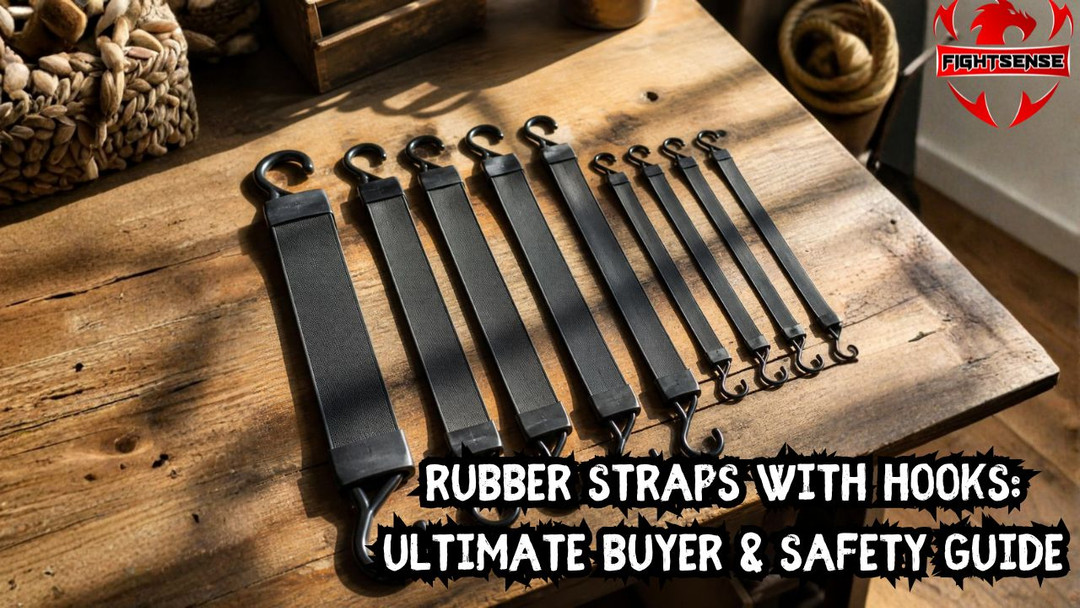
Rubber Straps with Hooks: Ultimate Buyer & Safety Guide
When you need to keep flatbed tarps taut, secure gear on a trailer, or tie down outdoor equipment, standard cord ties often fail under real pressure. That is where rubber straps with hooks step in as essential tools for truck drivers, outdoor enthusiasts, and fleet managers. Built with heavy-duty elastic cores and galvanized S-hooks, these tie-downs withstand wind, rain, and highway speeds without losing tension.
Whether you are securing a commercial flatbed haul or preventing a backyard woodpile cover from flying away, selecting the right strap material and length is critical to avoid costly snapping or load damage.
What Are Rubber Straps with Hooks?
Rubber straps with hooks—often called tarp straps, tie-downs, or rubber bungee straps—are durable stretch bands equipped with metal S-hooks on both ends. They are specifically engineered to apply constant tension across tarpaulins, equipment covers, and light tie-down points.
Unlike fabric-braided bungee cords, molded solid rubber straps resist fraying, water absorption, and rot. The end hooks anchor into trailer rub rails, D-rings, or tarp grommets, making quick securing effortless without tying knots.
Important Safety Note: Rubber straps are designed to keep tarps tight and prevent flapping. They are not load-bearing ties and should never replace primary cargo control tools like rated ratchet straps or transport chains.
Rubber Straps vs. Standard Bungee Cords
While rubber straps and consumer bungee cords look similar, their performance under heavy-duty conditions differs significantly:
Note on Utility vs. Gym Gear: While heavy-duty rubber tie-down straps are designed strictly for hauling and cargo securing, athletes looking to enhance their grip during heavy deadlifts or pull-ups should turn to specialized weightlifting gears—such as high-performance weightlifting hooks and wrist straps from trusted fitness brands like Fightsense.
EPDM Rubber vs. Natural Rubber Straps
The two most common materials used in manufacturing rubber tie-down straps are synthetic EPDM (Ethylene Propylene Diene Monomer) and Natural Rubber. Choosing between them depends on your operating environment and climate.
EPDM Rubber Straps (Best for Heat & Sunlight)
- UV & Ozone Resistance: Outstanding. EPDM resists cracking and dry rot caused by direct exposure to sunlight.
- Temperature Range: Performs reliably up to 130°F (54°C) without softening.
- Best Uses: Long-haul trucking, summer flatbed transport, and year-round outdoor equipment covers.
Natural Rubber Straps (Best for Cold Climates)
- Cold Weather Flexibility: Stays pliable in freezing temperatures down below 0°F where synthetic rubbers stiffen.
- Maximum Stretch: Offers slightly higher stretch ratios and snap-back tension.
- Best Uses: Winter hauling, cold storage facilities, and northern transport routes.
Sizing & Stretch Capacity Guide
Selecting the proper length prevents overstretching and snap-backs. Always measure the distance between your tarp grommet and anchor point before buying.
Rule of Thumb: Rubber tarp straps can safely stretch up to 1.5 times (150%) their relaxed length.
Pros and Cons of Heavy-Duty Tarp Straps
Pros
- Weather Resistance: Molded construction withstands rain, road grime, and sun exposure.
- Fast Application: S-hooks hook instantly into trailer rub rails or grommets without knotting.
- Cost-Effective: Sold in bulk packs (e.g., 50-packs) to easily supply entire fleets.
Cons
- Rebound Hazard: Overstretched straps can snap back with high velocity if released accidentally.
- Not Load-Bearing: Cannot be legally or safely used as direct primary cargo tie-downs.
Step-by-Step: How to Use Rubber Straps Safely
Follow this procedure to keep tarps secure while protecting yourself from injuries caused by tension snap-back:
1.Inspect Each Strap Before Use: Check for hairline cracks, cuts, or rusted hooks.
Inspect the rubber body for dry rot, stress cracks, or deep cuts. Ensure the metal S-hooks are firmly attached and not bent out of shape.
2.Position Your Tarp and Anchor Points: Ensure primary cargo tie-downs are already applied.
Confirm your main load is secured with winch straps or chains. Drape the tarp evenly across the load so grommets align with anchor points.
3.Hook the Tarp Grommet First: Always attach the strap to the upper/tarp side before stretching.
Insert one S-hook completely into the tarp grommet or D-ring. Ensure the hook faces outward so it does not puncture the tarp fabric under tension.
4.Stretch to the Rub Rail and Connect: Maintain a firm grip and wear safety glasses.
Pull the lower hook down toward the trailer rub rail or stake pocket, staying within 1.5x maximum stretch length. Seat the S-hook fully onto the metal anchor point.
5.Verify Even Tension Around the Load: Prevent wind pockets that cause tearing during transport.
Space straps every 4 to 5 feet along the perimeter. Adjust strap placements so tension remains uniform, preventing flapping while driving.
Pro Tips & Common Mistakes to Avoid
Expert Tips
- Match Rubber to Climate: Keep EPDM straps on hand for summer cross-country hauls and switch to Natural Rubber when driving in freezing winter conditions.
- Store in Cool, Dark Compartments: Store unused straps in a toolbox, milk crate, or under-bunk compartment away from fuel vapors and direct sunlight to extend their lifespan.
- Use Crimped S-Hooks for Loose Ends: Opt for pre-crimped S-hooks on the tarp side so the metal hook never slips out of the strap body when unhooked.
Common Mistakes
- Using Tarp Straps as Primary Cargo Tie-Downs: Never rely on elastic straps to hold down heavy equipment or lumber.
- Overstretching Past 50% Extension: Stretching straps beyond 1.5x their length degrades the internal polymer structure and increases snap-back risks.
- Face-In Hook Alignment: Pointing hook tips inward toward the tarp can tear canvas or vinyl under highway wind forces.
FAQs:
1. What are Rubber Cargo Straps used for?
Rubber straps with hooks are primarily used to secure tarps over truck loads, trailers, firewood, and outdoor equipment. They apply continuous elastic tension to keep covers tight against wind.
2. Can use rubber tarp straps to secure heavy cargo?
No. Tarp straps are designed exclusively to hold covers in place. Primary cargo tie-down must be performed using rated ratchet straps, chains, or winches.
3. How far can a 21-inch rubber strap safely stretch?
A standard 21-inch rubber strap can safely stretch up to about 30–32 inches (approximately 1.5 times its original relaxed length).
4. Why do rubber tarp straps keep cracking?
Cracking is usually caused by UV degradation from sunlight or overstretching. Switching to high-grade EPDM rubber straps will significantly reduce sun cracking.
5. Are S-hooks included with rubber tarp straps?
Yes, most commercially sold tarp straps come pre-fitted with heavy-duty zinc-plated steel S-hooks on both ends.
6. How long do elastic straps with hooks last?
When stored in dark, dry toolboxes when not in use, premium EPDM straps typically last 2 to 5 years depending on usage intensity and climate conditions.
Conclusion:
Equipping your rig or fleet with high-quality rubber straps with hooks ensures your tarps stay tight, cargo remains protected, and highway hazards are minimized. By choosing EPDM for sun exposure, Natural Rubber for freezing cold, and strictly following safe stretching limits, you get maximum durability out of every strap.
Disclaimer:
The information in this article is for educational and guidance purposes only. Rubber tarp straps are designed solely for securing tarps and light covers; they are not load-bearing devices and must never replace primary cargo tie-downs such as rated ratchet straps or chains.