
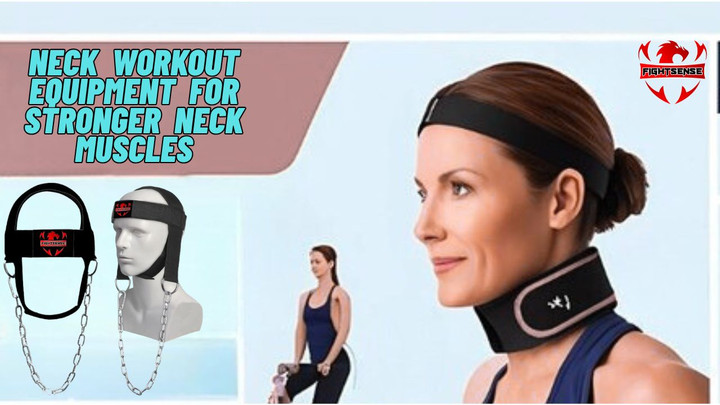
Neck Workout Equipment for Stronger Neck Muscles
24th Apr 2025
Neck workout equipment helps improve neck strength, posture, and injury prevention for athletes and fitness enthusiasts alike. While equipment can be effective, it isn’t always necessary. In this blog, we’ll cover the best workout equipment along with simple and effective neck workouts you can do at home without any equipment to build a stronger, healthier neck.
Key Notes:
-
Neck workout equipment helps strengthen neck muscles.
-
No-equipment neck workouts improve flexibility and strength.
-
Regular exercises support better posture.
-
Combining equipment and natural exercises gives best results.
-
Consistency is key for a healthy, pain-free neck.
Neck Equipment for Fighters: Build Strength, Power, and Protection:
A strong neck is more than just a visual statement—it’s a fighter’s first line of defense. Using the right neck equipment helps build the muscles that stabilize your head, absorb impact, and transfer power efficiently from your body to your strikes.
For fighters in MMA, boxing, wrestling, and jiu-jitsu, this means better chin protection, reduced risk of concussions, and improved overall performance during sparring and competition. By incorporating tools like neck harnesses, resistance bands, and neck machines into your routine, you’re not just training for strength—you’re training for resilience, speed, and the confidence to face any opponent head-on.
How Neck Equipment Strengthens Our Muscles:
Neck equipment, such as harnesses, resistance bands, and neck machines, trains the muscles in a targeted and controlled way. These tools provide focused resistance to the front, back, and side muscles of the neck, gradually making them stronger and more resilient.
This not only improves punch absorption and head stability but also enhances posture, balance, and power transfer. For fighters, a strong neck means being able to execute strikes and defenses more efficiently during sparring and fights while significantly reducing the risk of injuries.
Types of Neck Workout Equipment:
Here, list the equipment, their uses, and benefits:
1. Neck Harness:
-
-
Attaches weights for flexion and extension exercises.
-
Ideal for building strength in all directions.
-
2. Neck Roller / Neck Machine:
-
-
Gym machines that allow controlled neck flexion and extension.
-
Safer for beginners compared to free weights.
-
3. Resistance Bands:
-
-
Can be used for lateral and forward/backward movements.
-
Portable and versatile for home workouts.
-
4. Weighted Plates / Free Weights:
-
-
Can be used with a neck harness for advanced strength training.
-
5. Bodyweight & Partner Exercises:
-
-
Manual resistance or isometric holds for fighting-specific scenarios.
-
Best Exercises for Neck Strength:
-
Neck Flexion & Extension – Use a harness or resistance bands to strengthen the front and back neck muscles, improving punch absorption and posture.
-
Lateral Neck Flexion – Move your head side-to-side to build side stability, essential for defending against hooks and takedowns.
-
Isometric Holds – Press your head against a wall or partner resistance to train your neck to resist sudden force, simulating fight scenarios.
-
Neck Bridges – Strengthen overall neck workout endurance and power; beginners should practice cautiously to avoid injury.
Recovery and Progression: Key to Neck Power:
Recovery is just as important as training. Overworking your neck can cause strain or injuries, so allow proper rest between sessions and focus on gradual progression.
Combining equipment-based exercises with bodyweight drills, isometric holds, and lateral movements builds resilience in every direction. A structured approach not only strengthens the neck but also develops mental toughness and confidence, giving fighters a tangible advantage during sparring and competitions.
Neck Training Safety Tips for Fighters:
-
Start Light and Progress Gradually – Begin with minimal resistance and slowly increase weight or intensity to avoid strain.
-
Avoid Jerky Movements – Perform controlled reps; sudden or fast motions can lead to serious neck injuries.
-
Warm Up Before Training – Always loosen up your neck and shoulder muscles to prepare them for heavier exercises.
-
Consult a Trainer – Especially for beginners, professional guidance ensures proper form and reduces risk of injury.
Enhancing Fightsense Through Neck Training:
A fighter’s Fightsense—the ability to anticipate, react, and control in combat—relies heavily on a strong and stable neck. Neck muscles support rapid head movements, improve posture, and allow fighters to absorb or shrug off strikes more effectively.
By using neck equipment and targeted exercises, you not only build physical strength but also enhance situational awareness during sparring and fights. A resilient neck helps maintain balance under pressure, improves reaction time, and contributes to a fighter’s overall confidence, making every strike and defensive move sharper and safer.
FAQs:
1. How often should I train my neck for fighting?
For most fighters, 2–3 focused sessions per week is sufficient. Overtraining can strain small neck muscles, so it’s better to progress gradually with proper rest.
2. Can beginners safely use neck harnesses?
Yes, but start with light resistance and controlled movements. Pair it with bodyweight exercises first to build foundational strength before adding weights.
3. Does a stronger neck workout equipment actually reduce concussion risk?
Yes. A well-conditioned neck stabilizes the head during impact, helping absorb force and lowering the likelihood of severe head injuries.
4. Are resistance bands as effective as machines for neck training?
Absolutely. Resistance bands are portable, versatile, and provide controlled resistance. While machines offer precise form, bands are perfect for home workouts or travel.
5. How long will it take to see noticeable neck strength gains?
With consistent training, most fighters notice improvements in 4–6 weeks, including better head stability, posture, and resilience during sparring.
Final Thoughts:
A strong neck is vital for posture, injury prevention, and overall health. Whether using equipment like a neck harness or performing bodyweight exercises at home, consistency is key.
High-quality brands like Fightsense can support your training, but combining equipment with effective exercises delivers the best results. Be patient and stay consistent—neck strength takes time to build, but the benefits are well worth the effort.
warning:
Always consult a healthcare professional before starting any new exercise routine, especially if you have neck or spine issues.