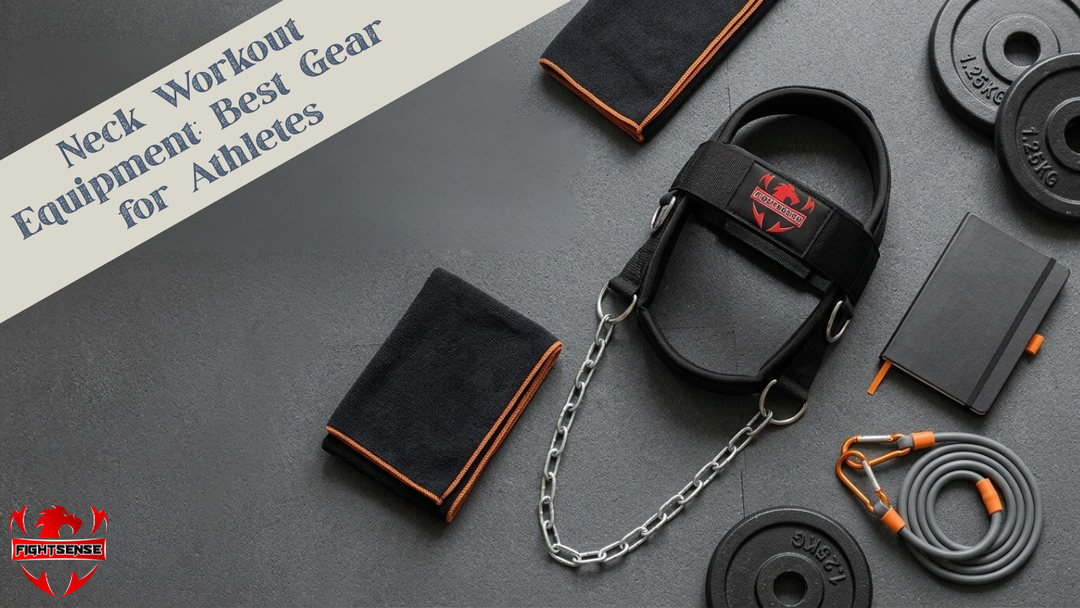
Neck Workout Equipment: Best Gear for Athletes
A strong neck is one of the most critical yet frequently overlooked assets in athletic performance. Whether you are battling in combat sports, driving through intense tackles, or pushing heavy loads in the weight room, investing in dedicated neck workout equipment can dramatically boost your physical resilience. Many athletes spend hours conditioning their arms, chest, and legs, yet they leave their cervical spine exposed to strain and severe injury.
Integrating specialized strength gear—such as heavy-duty neck harnesses and resistance systems—helps build thick, supportive musculature around your spine. High-quality training tools are engineered specifically for dedicated athletes who demand maximum durability, comfort, and safety during intense strength sessions.
Why Athletes Need Specialized Neck Workout Equipment
Traditional weightlifting activities such as shrugs or overhead presses work the upper traps, but they don’t specifically target the neck flexors and extensors. By using specific neck workout equipment you may safely isolate these important muscle groups under controlled resistance.
Athletes in boxing, MMA, wrestling, rugby and football routinely endure quick impact forces. The neck takes the full brunt of the impact without the specific conditioning , therefore you are more likely to have whiplash , a muscle tear , or a concussion . “An offensive defense system: Special training gear that protects your upper body.
Key Benefits of Training Your Neck Muscles
- Better Impact Absorption: Thicker neck muscles help absorb shock waves and reduce the abrupt acceleration of the head in contact or falls.
- Enhanced position & Alignment: Developing anterior & posterior neck muscles workout helps re-align forward head position from everyday desk job or heavy bench pressing.
- More Upper Body Power: A strong neck creates a strong basis for powerful compound lifts like deadlifts, squats and power cleans.
- A developed neck gives an impression of strength, athletic force, and physical preparation.
Types of Neck Workout Equipment Available
Understanding your options helps you select the right tool for your specific athletic goals.
Head and Neck Harnesses
A neck harness fits comfortably over the head and has a chain or strap system for attaching weight plates or cable resistance. It allows for progressive overload and is the favored way for combat athletes and powerlifters.
Resistance Band Setups
The tension varies across the whole movement, given by elastic bands. They are portable and great for active warm-ups or rehab treatment, but they don’t have the exact weight control of a typical harness.
Machine-Based Neck Systems
Found in high-end sporting facilities, four-way neck machines offer resistance in forward, backward and lateral directions. They work but they are pricey and heavy for home or business gyms.
FightSense: Premium Athletic Gear for High Performance
When choosing neck workout equipment, the most important factors are build quality and load safety. FightSense is committed to creating heavy-duty sports gear and strength training tools, specifically intended for adult athletes and fighters.
FightSense head harnesses are designed to endure harsh training loads without sacrificing comfort, unlike typical gym gear:
- Enhanced Build: Crafted with tough nylon webbing with double-stitched stress areas for increased load strength.
- Ergonomic Neoprene Padding: Thick inside padding minimizes skin chafing and relieves direct pressure on the skull during heavy reps.
- Steel Hardware: Industrial-grade D-rings and steel chains for smooth weight attachment.
- Adjustable Fit: Fully adjustable straps let fighters and lifters of all sizes get a secure, slip-free fit.
How to Choose the Right Workout Equipment For Neck
Before you pack stuff into your workout bag, consider these important features:
- Load Capacity: Make sure that materials and hardware are rated for your goal training weight.
- Padding Quality: High-density foam or neoprene padding cushions strain on the skull.
- Versatility: Opt for equipment that quickly converts to free weights, kettlebells or cable machines.
- Compact gear is portable, so you may train at home, in the commercial gym or inside the fight camp.
Step-by-Step Guide to Using a Neck Harness Safely
You need the right technique to load your cervical spine. To do this safely, perform these steps:
- Connect the Harness: Tighten the head straps so the harness fits snugly across your forehead and the back of your head.
- Light Resistance: Attach a light weight plate or cable attachment to the heavy duty steel chain.
- Take a firm stand: Place your feet shoulder-width apart, lean forward at the hips and hold your body with your hands either on your knees or on a bench.
- Do Controlled Extensions: Using your neck muscles, slowly bring your head down to your chest, then return it easily to the starting position. Avoid jerky or rushed movement.
- Keep Breathing: Inhale in the lower phase and exhale as you reach up.
Comparing Top Gear: Neck Workout Equipment Breakdown
|
Feature / Criteria |
FightSense Head Harness |
Resistance Bands |
4-Way Machine |
|
Progressive Overload |
Excellent (Plate-Loaded) |
Moderate |
Excellent |
|
Portability |
High (Fits in gym bag) |
High |
None (Stationary) |
|
Comfort & Padding |
Premium Neoprene |
N/A |
High |
|
Cost Efficiency |
High / Budget-Friendly |
Very High |
Low (Very Expensive) |
|
Durability |
Heavy-Duty Nylon & Steel |
Subject to Wear/Snap |
Industrial Frame |
Expert Tips for Maximizing Strength Gains
- Warm-ups first: Always start with some unweighted neck rolls and chin tucks before wearing any neck training equipment.
- Start with high reps: Use modest weights for 15 to 20 reps to increase endurance and stabilize the tiny stabilizing neck with muscle exercises.
- Train Balance: Be sure to balance neck extensions (going back) with neck flexions (moving forward) to prevent muscular imbalances.
- Allow It To Recover: Neck muscles respond well to exercise 2-3 times per week Don’t train to ultimate failure every single time.
How to Avoid Injury When Using Workout Equipment
- Too Heavy: Too Fast Cervical vertebrae are fragile. Never go directly into max effort, single reps or overload weights.
- Using Momentum or Swinging – Rocking your upper body removes stress from the neck muscles and greatly increases spinal injury risk.
- Short, half reps: Don’t develop functional muscle, and they slow down flexibility gains.
- Ignoring pain signals. Sharp discomfort or tingling down the shoulders and arms means you need to stop immediately, re-evaluate your form or lessen the weight.
FAQs:
Are neck workout machines safe for beginners?
Yes, if you begin with extremely modest weight, good form and gradually build the resistance over time.
How frequently should athletes work their neck?
2 to 3 sessions per week is enough to stimulate strength growth while yet enabling enough muscle rest.
Is neck harness training good for correcting posture?
Strengthening the weak deep neck flexors can assist draw your head back into alignment, countering forward head posture.
What's the finest neck exercise equipment for combat sports?
A premium cushioned head harness is one of the best options for fighters that need plate loaded progressive resistance.
Can you attach resistance bands to a neck harness?
Sure. Many athletes use elastic bands attached to the D-rings of their harness to keep continuous tension without free plates.
Should I do my neck exercises before or after the main workout?
The ideal thing to do is to do neck movements near the end of your workout so your stabilizer muscles aren't tired when doing heavy squats or bench presses.
How long before you observe apparent neck growth?
With constant training, progressive overload and excellent neck workout equipment you can see notable gains in 4 to 8 weeks.
Conclusion:
A strong, resilient neck is vital to sports endurance, injury prevention, and physical strength. Using specialist neck workout equipment guaranties you train safely, efficiently and successfully. By selecting excellent equipment designed to endure, you are able to safeguard your body and maximize your upper-body conditioning.
Disclaimer:
Consult a physician before starting neck training. Perform all exercises with caution and proper form to prevent injury.