
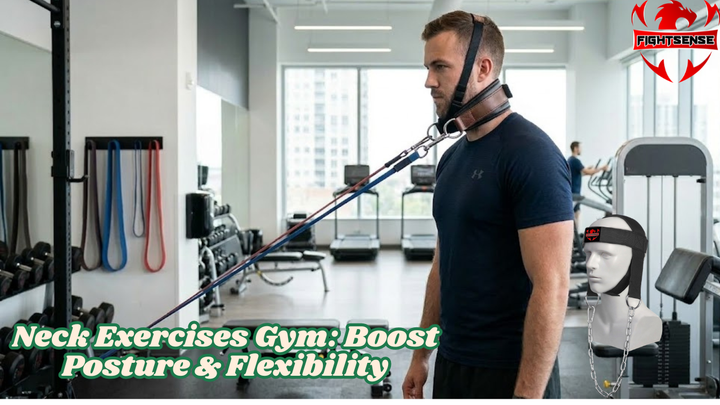
Neck Exercises Gym: Boost Posture & Flexibility
25th Apr 2025
Neck exercises gym routines are vital for building strength, improving posture, and preventing injuries. A strong and healthy neck supports overall body stability and enhances performance in bodybuilding, fitness, and daily activities. Unfortunately, many people overlook their neck muscles, even though they play a crucial role in supporting the spine and keeping the head aligned.
In this blog, we’ll explore how to properly perform neck exercises, highlight the best neck exercises programs offer, and share tips to build a stronger, more resilient neck while maintaining proper form and safety.
Key Highlights:
- How to take care of neck exercises: Start slowly, use proper form, and allow for recovery.
- Best neck exercises gym: Incorporate a variety of exercises like neck flexion, extension, and shrugs for optimal results.
- How many times a week to train neck: 2-3 times per week for most people.
- Consistency is key in building a strong, injury-free neck.
- Use quality equipment like Fightsense gear for more effective training.
Essential Neck Muscles for Strength:
Your neck is supported and moved by several key muscles that are crucial for posture, stability, and overall mobility. The trapezius, stretching across the upper back and neck, helps support the head and move the shoulders, playing a major role in keeping your posture upright. The sternocleidomastoid, located along the front and sides of the neck, controls head rotation and side bending, and tightness in this area can cause stiffness or tension headaches.
The levator scapulae, running along the sides and back of the neck, assists in lifting the shoulder blades and stabilizing the neck during movement. Strengthening and stretching these muscles together ensures a balanced neck, improves flexibility, reduces discomfort, and prevents injuries caused by poor posture or overuse.
Benefits of Neck Exercises Gym:
Incorporating neck exercises into your gym routine offers multiple advantages:
1. Improved Posture:
Many people develop a forward head posture, where the head juts forward relative to the shoulders. Strengthening neck muscles can realign the head and spine, promoting proper posture.
2. Increased Flexibility and Mobility:
Tight neck muscles limit movement. Gym-based exercises and stretches increase range of motion, making everyday tasks like turning your head or looking up safer and easier.
3. Reduced Risk of Pain and Injury:
Strengthening and stretching neck muscles can prevent common issues such as tension headaches, neck strain, and even shoulder pain.
4. Enhanced Gym and Sports Performance:
A strong neck supports proper alignment during weightlifting, squats, deadlifts, and other exercises. Athletes, especially in contact sports, benefit from a neck that can withstand impact.
5. Better Blood Flow and Relaxation:
Stretching and controlled movements improve blood circulation to the neck, reducing stiffness and promoting relaxation.
Warm-Up Tips Before Neck Workouts:
Just like any other muscle group, the neck needs a proper warm-up to prevent injury:
-
Neck Rotations: Slowly rotate your head clockwise and then counterclockwise 5–10 times.
-
Shoulder Shrugs: Lift your shoulders towards your ears and release slowly. Repeat 10–15 times to loosen the trapezius.
-
Chin Tucks: Sit or stand tall, tuck your chin toward your chest without bending your neck forward. Hold for 5–10 seconds. Repeat 8–10 times.
Warm-ups prepare the muscles, improve blood flow, and make the exercises safer and more effective.
The Role of Posture in Everyday Life:
Your neck muscles don’t work only during workouts—they support you all day. Poor posture while sitting, driving, or using your phone can place extra strain on neck muscles, leading to pain and stiffness. Simple adjustments, like sitting tall, keeping shoulders relaxed, and aligning your head over your spine, reduce stress on these muscles.
By combining these daily habits with gym exercises, you maintain a strong, flexible neck and prevent long-term issues like forward head posture or tension headaches.
Top Neck Exercises at the Gym:
1. Chin Tucks with Resistance Band:
-
Sit or stand with a resistance band behind your head.
-
Gently push your head back into the band while keeping your chin tucked.
-
Hold for 5–10 seconds and release.
-
Repeat 10–15 times.
Recovery and Neck Muscle Care:
Just like any other muscle group, neck muscles need recovery to grow stronger and stay flexible. Light foam rolling, gentle massage, and using heat or cold therapy can relieve soreness after intense workouts.
Adequate sleep is also crucial, as it allows muscles and connective tissues to repair. Paying attention to recovery ensures your neck stays resilient, reduces risk of chronic pain, and allows you to perform better in both the gym and daily activities.
How Many Times a Week to Train Neck:
Many people wonder how many times a week to train neck. While it’s important to train your neck consistently, overtraining can lead to strain or injury. For most people, training the neck 2-3 times a week is sufficient.
This allows the muscles to recover properly and adapt to the resistance. If you’re just starting out, focus on lighter exercises and gradually increase the intensity as your neck muscles strengthen.
Improve Neck Strength and Awareness with Fightsense:
Incorporating FightSense into your training can help enhance neck strength, posture, and overall body control. It combines targeted exercises with mobility and awareness drills to reduce the risk of injury and improve coordination.
This approach complements traditional neck workouts, helping you build flexibility, stability, and better performance in the gym or during sports activities.
Final Thoughts:
Incorporating neck exercises gym into your fitness routine is essential for building neck strength, improving posture, and preventing injuries. Whether you’re using equipment like a neck harness or focusing on bodyweight exercises, consistency and proper technique are key. Remember to start slow, use proper form, and listen to your body.
For those serious about neck training, Fightsense offers high-quality neck workout equipment, including durable neck harnesses, to help enhance your training routine.
FAQs:
1. How often should I train my neck?
2–3 sessions per week are enough, with light daily mobility drills to complement workouts.
2. Can neck exercises gym reduce headaches or stiffness?
Yes. Strengthening and stretching neck muscles improves posture and circulation, helping relieve tension.
3. Is weight training safe for the neck?
Yes, if done with light resistance and slow, controlled movements using machines, bands, or a neck harness.
4. Can office habits affect neck health?
Absolutely. Poor posture at desks can undo gym progress—posture checks and short breaks help maintain results.
5. How soon will I see improvements?
Small changes can appear in 3–4 weeks; noticeable strength and flexibility gains usually take 8–12 weeks.
Note:
Consult a healthcare professional before starting any new exercise program, especially if you have neck or spine issues