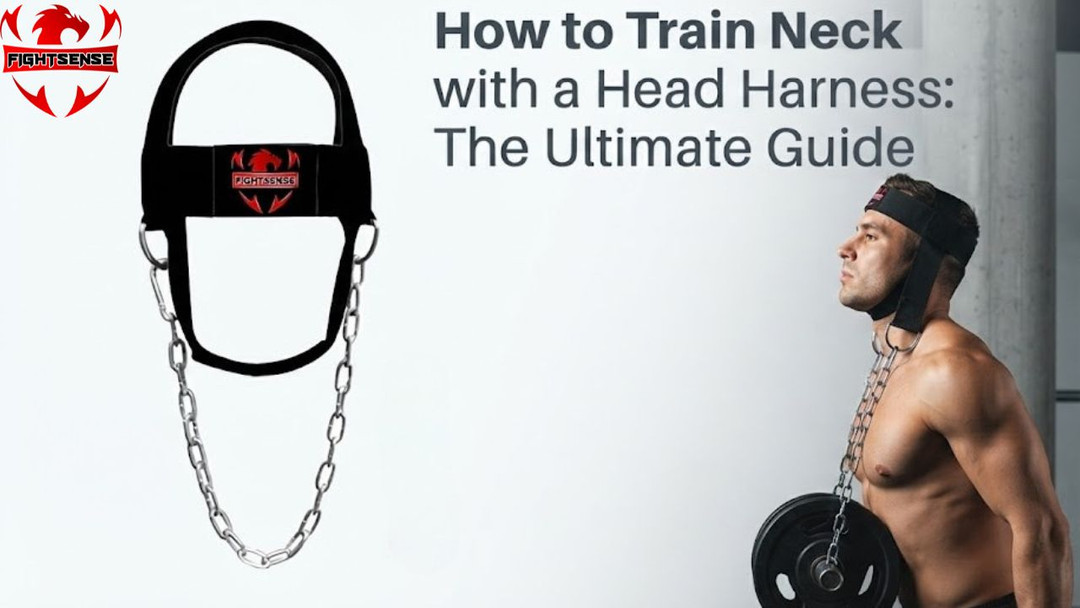
How to Train Neck with a Head Harness: The Ultimate Guide
How to train neck muscles is a common question, yet it’s the most overlooked part of any gym routine. Have you ever wondered how fighters get that thick, solid look? While we spend hours on our arms and chest, the neck is often left behind.
But building a strong neck isn’t just about aesthetics; it’s about posture, injury prevention, and raw strength. Whether you're an athlete or just want a better physique, knowing how to train neck muscles correctly is a total game-changer. Let's dive into how to do this safely and effectively.
Key Takeaways:
- Neck = Safety: A strong neck is your spine’s best natural shock absorber.
- Control is King: Slow, steady tension beats heavy, jerky movements every time.
- Harness the Growth: A head harness is the safest way to add progressive resistance.
- Consistency First: 2–3 short, focused sessions a week are all you need.
- Quality Counts: Use Fightsense gear to ensure perfect form and injury prevention.
Why Should You Actually Train Your Neck?
Before we jump into the "how," let’s talk about the "why." Think of your neck as the bridge between your body and your head. If that bridge is weak, everything above it suffers.
- Posture Support: If you spend all day at a desk, your neck muscles get tight and weak. Training them helps keep your head aligned, reducing that dreaded "tech neck" or forward head posture.
- Injury Prevention: This is crucial. A strong neck acts as a built-in shock absorber. If you play contact sports or lift heavy, a resilient neck can save you from whiplash, strains, and concussions.
- Athletic Power: In sports like MMA, wrestling, or boxing, a strong neck is non-negotiable. It helps with balance, stability, and power transfer during impact.
- Aesthetics: Let’s be honest, a thick, strong neck looks powerful. It rounds out your physique, making your shoulders look broader and your frame more balanced.
Targeting the Right Muscles for Growth
You don't need a medical degree to train, but knowing what you're working helps you target the right areas. Your neck is composed of three main muscle groups:
- Trapezius (Traps): These run from the base of your skull down to your shoulders. They are the backbone of your neck's strength.
- Sternocleidomastoid (SCM): These are the two thick bands that run down the front and sides of your neck. They help with rotation and flexion.
- Splenius: Located at the back, these muscles are responsible for extending your head.
By targeting all three, you ensure balanced growth and keep things moving smoothly.
Why Should You Use a Head Harness for Neck Training?
While you can start with bodyweight, you eventually need resistance to grow, just like any other muscle. This is where a head harness comes in.
Think of it as a weighted hat for your neck. It attaches to a chain where you can add weight plates. When you learn how to train neck muscles using this tool, you get consistent tension that you simply can't achieve with just your hands. It makes your workouts safer, more controlled, and significantly more effective.
Why Is Focus More Important Than Weight for Your Neck?
One thing people often miss is the mental aspect. Neck training requires extreme focus. Because the muscles are smaller and deeper, you don't need to "heave" the weight. Instead, focus on a slow, deliberate contraction.
Feel the SCM or the Splenius working as you move. When you use your Fightsense equipment, pay attention to the tension—it's not about how much weight you add, but how well you control that resistance.
Which Training Schedule Fits Your Needs Best?
|
Goal |
Frequency |
Sets |
Reps |
Intensity |
|
Endurance |
3x Week |
3 |
20-25 |
Low |
|
Strength |
2x Week |
4 |
8-12 |
Moderate |
|
Hypertrophy |
2x Week |
3 |
12-15 |
Moderate-High |
Step-by-Step Guide: How to Train Neck Effectively
Now, let’s get into the actual workout. Remember, start slow. Your neck is a sensitive area, and you don’t want to wake up with a stiff neck tomorrow.
1. The Setup
Always warm up. Rotate your head gently, do some light chin tucks, and get the blood flowing. Never start with heavy weight.
2. Using the Head Harness
If you want to know how to train neck for maximum growth, this is your go-to move. Wear the harness, attach a small weight, and sit on the edge of a bench.
- Flexion: Lower your head slowly toward your chest, then lift it back up.
- Extension: Lean forward and lift your head back, focusing on the muscles at the base of your skull.
3. Isometric Holds
Sometimes, holding a position is better than moving. Push your hand against your forehead and try to move your head forward while your hand prevents any motion. Hold for 10 seconds. It’s harder than it looks!
What Do You Need To Change In Your Lifestyle For Faster Neck Growth?
You can’t build a bigger neck if you don’t recover. Neck muscles are used constantly throughout the day just to hold your head up.
- Hydration: Dehydrated muscles are prone to cramping, and your neck is no exception.
- Sleep: Your neck muscles recover while you sleep. A good pillow that supports your natural cervical curve is vital.
- Protein: Just like your chest or biceps, your neck needs amino acids to repair and grow after a training session.
Common Mistakes to Avoid
- Going Too Heavy, Too Fast: This is the #1 way to get a neck strain. Start with just the weight of the harness itself if you’re a beginner.
- Using Jerky Movements: Control is everything. If you're swinging your head, you're doing it wrong.
- Forgetting the Warm-up: Skipping this is basically an invitation for an injury.
- Overtraining: Your neck muscles need recovery. 2–3 sessions per week is plenty.
What Happens When You Finally Commit To A Consistent Neck Training Routine?
Consistency is the secret to real change. While you won't see results overnight, sticking to your routine will noticeably improve your posture within weeks and lead to visible muscle growth in just a couple of months. It turns a basic workout into a permanent transformation, building the thick, solid foundation you're aiming for.
Using Fightsense gear makes this commitment much easier. Because the equipment is designed for comfort and proper form, you’re far more likely to stick to your schedule without discomfort. When you combine reliable tools with a steady routine, you stop guessing and start seeing the real magic happen—turning occasional effort into lasting strength.
FAQs:
1. How does neck hypertrophy improve upper-body aesthetics?
It bridges the gap between shoulders and head, creating a "thick" look that enhances the visual appearance of your traps and deltoids.
2. Does neck strength assist in heavy compound lifts?
Yes, stabilizing the head and neck position helps maintain a neutral spine, which is crucial for safety and power during deadlifts or overhead presses.
3. Why is neck training vital for concussion prevention?
A stronger neck acts as a biological shock absorber, reducing head acceleration during impacts and minimizing the force transmitted to the brain.
4. Is a head harness better than manual resistance?
A harness provides consistent, trackable resistance and better focus on form, whereas manual resistance depends on a partner, which is often inconsistent.
5. How does hydration affect neck performance?
Proper hydration ensures efficient neuromuscular function. Dehydration causes delayed contractions and increases the likelihood of painful cramping during exercises.
6. Does neck training impact breathing during intense workouts?
Stronger neck and throat muscles help maintain optimal head positioning, which keeps the airways clear for better oxygen intake under heavy loads.
Final Thoughts
The journey of learning how to train neck muscles is one that pays dividends in every other area of your fitness. It’s about building a foundation that supports your strength goals and protects your body for the long haul.
Remember, keep it slow, stay consistent, and use high-quality gear like Fightsense to ensure your training remains both safe and effective. You’ve got this! Start small, focus on the squeeze, and watch as your strength and posture begin to transform.
Disclaimer:
Always consult with a healthcare professional before starting any neck-specific training, especially if you have a history of neck or spine issues.