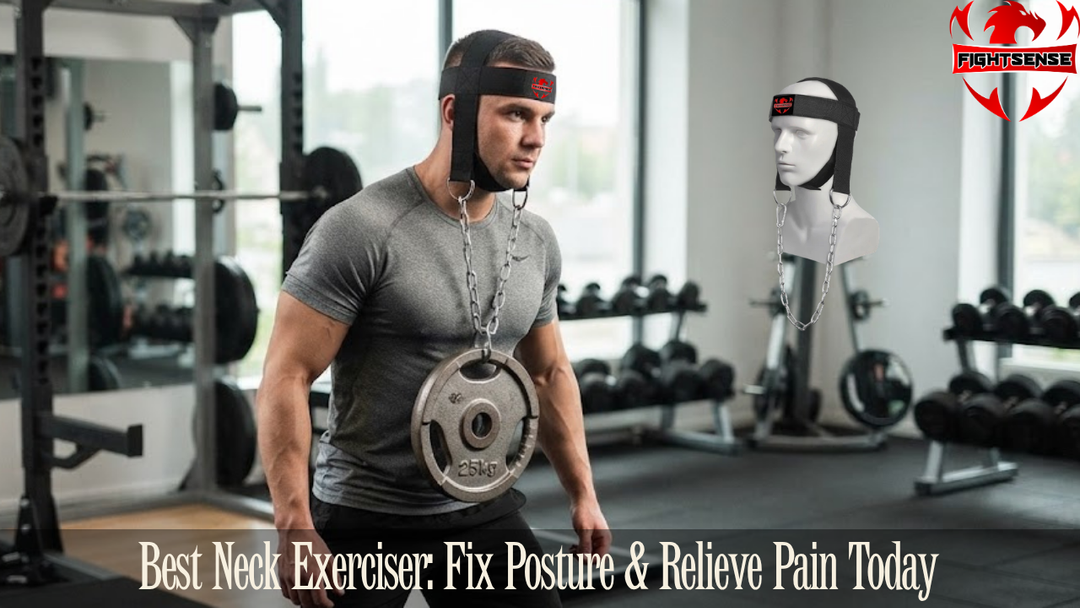
Best Neck Exerciser: Fix Posture & Relieve Pain Today
Searching for a reliable neck exerciser to finally break free from constant stiffness? If you have spent your day hunched over a screen or grinding through an intense workout, your cervical spine is likely crying out for relief. Most people settle for a quick stretch, but if you want to permanently fix your posture and eliminate pain, utilizing the right equipment is the professional-grade solution you have been missing.
It is time to move beyond temporary fixes. Whether you are a dedicated desk worker or a combat athlete, incorporating specialized gear into your regimen is not just about training—it is about reclaiming your mobility and protecting your body from long-term strain. Let’s dive into how you can transform your health and finally ditch that chronic discomfort for good.
Why Your Neck Needs More Than Just Stretches
Most people think that to fix a stiff neck, you just need to stretch it. While stretching is fantastic for immediate relief, it doesn’t provide the structural support your neck needs to resist daily gravity. This is where active resistance comes in.
Think of your neck as the bridge between your shoulders and your skull. If that bridge is weak, everything else compensates. You end up with rounded shoulders, tension headaches, and that dreaded "tech-neck" curvature. By using specialized neck exercises, you are essentially training the stabilizing muscles that keep your head upright and your spine protected.
Comparing Training Approaches
To help you understand how different methods contribute to your health, here is a quick breakdown of how standard movement compares to targeted resistance training.
|
Training Method |
Focus Area |
Goal |
Best For |
|
Static Stretching |
Flexibility |
Relieve tension |
Daily maintenance |
|
Resistance Training |
Muscle Strength |
Build endurance |
Injury prevention/Posture |
|
Isometric Holds |
Stability |
Alignment |
Rehabilitating weak spots |
The Science of Structural Support
Why does resistance training work here? The muscles around your cervical spine—the splenius capitis, levator scapulae, and traps—are designed to hold weight. When you perform resistance training, you increase neck muscle endurance and stability.
Many athletes in combat sports already know this secret. They understand that a stronger neck is the best defense against injury. However, you don’t need to be a professional fighter to reap these benefits. Anyone who spends hours looking down at a smartphone or a laptop can significantly reduce their risk of strain by incorporating controlled, progressive resistance.
How to Choose the Right Tool
Not all devices are created equal. When you are looking for the best neck exerciser to add to your home gym, look for these three qualities:
- Comfort: The material should be soft enough to prevent skin irritation.
- Adjustability: You need to be able to start light and progress as you get stronger.
- Durability: Because you are dealing with your spine, you want equipment that won’t snap or fray under pressure.
This is exactly where the Fightsense product line stands out. We’ve designed our gear with high-grade, durable materials that focus on both comfort and performance. Whether you are an athlete or a desk warrior, having equipment that you can trust makes the difference between a frustrating workout and a productive one.
The Role of Neck Health in Athletic Performance
Beyond simple pain relief, neck development is a fundamental pillar of athletic performance. A strong neck acts as a shock absorber, effectively reducing the impact transferred to the brain during sudden movements or collisions in sports.
By using a neck exerciser regularly, athletes can improve their neck’s load-bearing capacity, which is essential for maintaining control during high-intensity training sessions. This proactive approach to conditioning is what separates casual fitness enthusiasts from those looking to maximize their physical potential.
Consistency: The Secret to Long-Term Spine Health
The most common mistake people make is treating neck training as a "quick fix" rather than a lifestyle habit. The cervical spine requires consistent, gentle loading to maintain its structural integrity over time.
Integrating your training into your weekly rhythm—even just 10 minutes, twice a week—creates lasting neurological and muscular adaptations. With tools like those from Fightsense, you turn an abstract goal like "better posture" into a tangible, measurable part of your fitness journey, ensuring that your neck remains flexible, stable, and pain-free for the long haul.
A Daily Routine for Maximum Results
You don’t need to spend hours in the gym. Consistency beats intensity every single time. Here is a simple, effective routine you can perform 3 times a week:
1. Controlled Flexion (The Nod)
Attach your weights and perform slow, controlled nods. Focus on moving from the base of the neck, not the jaw. Keep it smooth.
2. Side-to-Side Stability
Move your head toward your shoulders slowly. This builds the lateral support that prevents neck tweaks when you turn your head suddenly.
3. Isometric Holds
Sometimes, holding a position under tension is more effective than movement. Use your neck exercise to hold a neutral position against resistance for 10–15 seconds.
Integrating Fightsense into Your Lifestyle
We believe that fitness equipment should work with your life, not against it. That’s why we at Fightsense have focused on making our products intuitive. You don’t need a degree in kinesiology to use them; you just need to be willing to commit five minutes a day to your own health.
By integrating a neck exercise into your routine, you are doing more than just building muscle; you are reclaiming your posture. You will notice that by the end of the work week, your shoulders feel lighter, and that nagging tension at the base of your skull begins to fade.
Common Mistakes: What to Avoid
Even with the best tools, you have to be careful. Here is how to keep your training safe:
- Don't Rush: Speed is the enemy of progress. Controlled, slow movements are what build real strength.
- Listen to Pain: There is a difference between "muscle burn" and "sharp pain." If you feel sharp pain, stop immediately.
- Start Light: It is tempting to jump straight to heavy weights, but your neck muscles are smaller than you think. Start with zero or very light weight until your form is perfect.
FAQs:
Does neck training lead to increased muscle hypertrophy?
Yes, consistent resistance training stimulates the cervical muscles, resulting in increased muscle size and improved structural support for the head and spine.
What is the typical timeline for observing visible postural corrections?
With consistent, disciplined practice, noticeable alignment improvements and postural "resets" generally occur within a 6 to 8-week period.
Does targeted neck training provide relief for TMJ (Jaw) dysfunction?
Yes, by correcting forward head posture, the mechanical load placed upon the temporomandibular joint is significantly reduced.
How is a "neutral spine" defined in the context of neck health?
A neutral spine maintains the ears in vertical alignment directly over the shoulders, neutralizing the leverage disadvantage associated with "tech-neck."
What is the recommended breathing protocol during resistance sets?
Controlled nasal breathing is the standard, as it maintains core bracing and prevents unnecessary tension in the upper trapezius muscles.
Final Thoughts:
Taking charge of your physical health is a long-term project. A neck exerciser might seem like a small addition to your training, but the impact it has on your posture, comfort, and performance is massive.
Whether you are looking to perform better in the ring or just want to end your workday without a stiff, aching neck, the path forward is clear: move with intention, prioritize your form, and use the right tools. When you choose quality gear like Fightsense, you’re ensuring that your journey toward a stronger neck is safe, effective, and sustainable.
Start today. Your spine will thank you.
Disclaimer:
Always consult a physician before beginning any new exercise routine, especially if there is a history of neck, spinal, or health-related issues. Perform all movements with caution and stop immediately if sharp pain occurs.