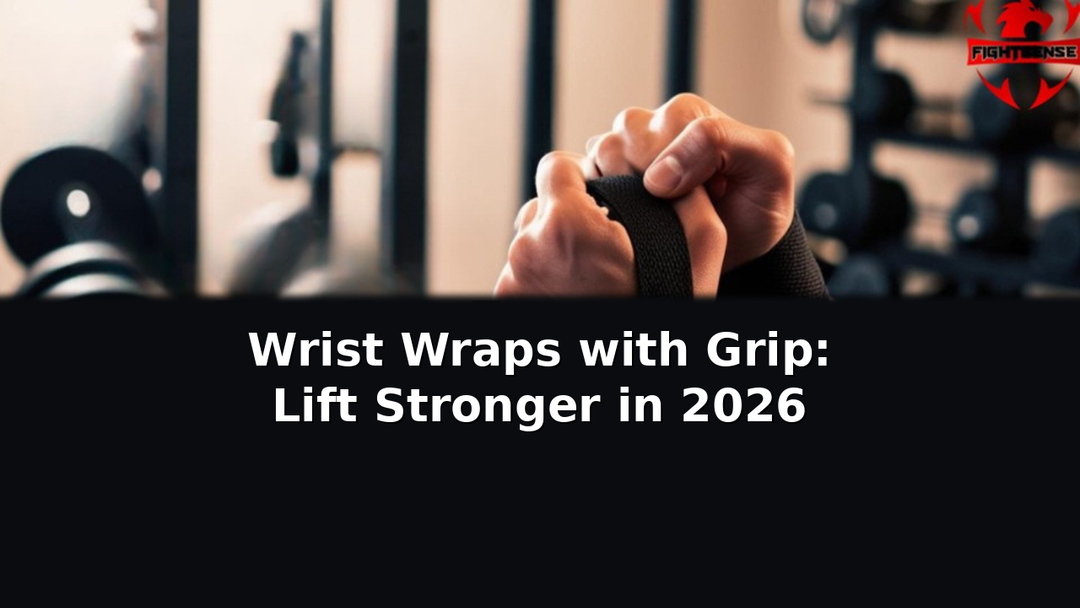
Wrist Wraps with Grip: Lift Stronger in 2026
If your wrists are the first thing to give out on a heavy set, you are not alone. Many lifters find that their hands and forearms tire before the muscles they are actually training, and that is where wrist wraps with grip come in. These wraps combine firm wrist support with a textured, grippy feel, so the bar stays steadier in your hands and your wrists stay in a stronger line through each rep.
This guide explains what these wraps do, who they suit, and how to pick the right pair for your training. You will also learn how to put them on, how to keep them clean, and when wrist straps might suit you better. Everything here is written in plain language, so you can make a confident choice before your next session.
Keynotes
- A firm wrap keeps the wrist in a neutral line, so heavy presses and pulls feel steadier.
- Textured, grippy material helps the wrap stay in place instead of sliding during a set.
- Choose stiffer, longer wraps for heavy lifting and lighter, stretchier wraps for general training.
- Wrap snugly, never painfully tight, and loosen or remove wraps between sets.
- Wash wraps regularly and let them air-dry so they stay fresh and ready to use.
What Are Wrist Wraps with Grip?
Wrist wraps are wide bands of fabric that fasten around the wrist with Velcro. A pair with a grippy texture adds friction where the wrap meets the skin and the bar, which helps the wrap stay put. The aim is simple: steady wrists, a more secure hold, and more confidence when the weight gets heavy.
Most wraps are made from a blend of cotton, elastic and polyester. Cotton feels soft against the skin, elastic gives the wrap its spring and hold, and polyester adds strength so the wrap keeps its shape over time. A thumb loop holds the wrap in place while you fasten it, and a Velcro tab locks in how snug the fit feels.
Wrist wraps with grip suit lifters who press, pull or hold heavy loads, including bench press, overhead press, rows and deadlifts. They are also handy for CrossFit-style workouts and gymnastics moves where the wrist bends under load. For gymnastics-style training, see our gymnastic wrist wraps guide. The wrist is a complex joint, so it is worth learning how the wrist joint works before you load it heavily.
How Wrist Wraps with Grip Support Your Lifts
When you press a heavy bar, the wrist can bend back under the load. A snug wrap resists that bend and spreads the load across the joint, so the wrist stays nearer to a straight line. The grippy surface also helps the wrap hold its position instead of creeping during a set. The result is a steadier bar path and less worry about the wrists while you focus on the lift.
How to Choose the Right Pair
Stiffness, Length and Fit
Stiffness is the first choice to make. Stiff wraps give the most support for heavy singles and low-rep sets, while stretchier wraps give more freedom for higher-rep training and warm-ups. Length matters too: longer wraps cover more of the wrist and forearm, while shorter wraps are quicker to put on and easier to carry in a gym bag. If you are shopping for your first pair, wrist wraps with grip in a medium stiffness are a sensible starting point for most lifters. When you are comparing styles, look at our guide to the best wrist wraps for lifting, boxing and powerlifting to see how different wraps suit different sports.
Thumb Loop and Closure
A thumb loop is more useful than it looks. It holds the top of the wrap in place while you wind the band around your wrist, and it stops the wrap from sliding down once you start lifting. The Velcro tab should be wide and strong, so it stays closed under load. For general training, a pair of premium wrist wraps for gym training with a thumb loop and a secure Velcro close is a solid choice.
How to Put Them On for a Secure Fit
Getting the fit right is what makes wrist wraps with grip useful. Too loose and the wrap does little; too tight and it squeezes the wrist and distracts you from the lift.
- Slide the thumb loop over your thumb and hold the free end against the inside of your wrist.
- Wind the wrap around your wrist two or three times, keeping each pass flat and smooth.
- Finish with the Velcro tab, pulling it just snug enough that the wrist feels supported but your fingers can still move freely.
- Press the bar or do a light warm-up rep to check the fit, then tighten or loosen by one pass before your working set.
For a closer look at the steps, read our guide on how to put on wrist wraps for lifting. With practice, the whole process takes less than a minute, and most lifters only re-wrap when they change exercise or load.
Wrist Wraps vs. Wrist Straps: Which One Fits Your Training?
Wraps and straps solve different problems. Wrist wraps with grip support the wrist joint itself, while lifting straps loop around the bar to help you hold on when your hands tire. If your wrists bend back under the bar, choose wraps. If the bar slips out of your hands on heavy pulls, straps may help more. Many lifters keep both in their gym bag and use each one where it helps most. A pair of weightlifting wrist straps is handy for heavy rows and deadlifts, and secure-grip lifting straps suit lifters who want extra hold on pulling days.
A Quick Way to Decide
- Choose wraps when the wrist bends back under the bar on presses.
- Choose straps when the bar slips from your hands on heavy pulls.
- Use both on different days if your training includes heavy pressing and pulling.
Care Tips That Keep Your Wraps Fresh
Wraps soak up sweat, so they need regular washing. Hand-washing wrist wraps with grip in cool water with a mild detergent is the gentlest option, and air-drying keeps the Velcro and elastic in good shape. Avoid tumble drying, which can weaken the elastic over time. If your wrists feel achy after training, rest them and read our guide to wrist wraps for pain relief before your next session.
- Let wraps air out after training instead of leaving them in a closed gym bag.
- Wash them when they start to smell or look dirty.
- Replace a pair when the Velcro no longer holds or the fabric goes slack.
Why Lifters Who Want Steadier Heavy Sets and a More Secure Hold Choose FightSense
FightSense makes training gear for real gym sessions, not just for product photos. The wraps and straps in the range are built from hard-wearing fabric with strong Velcro, so they stay put when you are working hard. Visit the FightSense homepage to browse wrist support and grip gear and find the pair that fits the way you train.
Stop Letting a Slipping Grip Cut Your Strongest Sets Short
Grab a pair of FightSense wrist wraps before your next heavy session, with firm support, a steady hold and an easy Velcro close.
Plus, orders above $100 ship free at FightSense.
Conclusion
Wrist wraps give your wrists steady support and a more secure hold, so you can focus on the lift instead of your grip. Pick a stiffness that matches your training, wrap them snugly and keep them clean, and they will be a small piece of kit that makes a big difference on heavy days. Start with one pair, learn what works for you and adjust from there.
FAQs
Do wrist wraps help with grip?
Yes, in a practical way. Wraps steady the wrist, so the bar sits better in your hand and you can focus on squeezing it. They do not replace grip training, but many lifters feel more secure holding heavy loads while wearing them.
Are wrist wraps good for beginners?
They can be, if you use them for heavy sets rather than every warm-up. Beginners should first learn good form with lighter weights, then add wraps when the load starts to push the wrist out of line.
How tight should wrist wraps be?
Snug enough that the wrist feels supported, but not so tight that your fingers tingle or go numb. You should still be able to move your fingers freely, and it is sensible to loosen the wraps between sets.
Can I wear wrist wraps for every workout?
You can, but many lifters save them for heavy pressing and pulling days. Wearing them only when the load is heavy lets your wrists build strength on lighter days while still getting support when it matters.
How do I wash wrist wraps?
Hand-wash them in cool water with a mild detergent, rinse well and let them air-dry. Avoid tumble drying, as the heat can weaken the elastic and Velcro over time.
What is the difference between wrist wraps and wrist straps?
Wraps support the wrist joint and help keep it in a neutral line. Straps loop around the bar and help you hold on when your hands tire. Some lifters use both, choosing the tool that fits the exercise.
Do wrist wraps prevent wrist pain?
Wraps can make heavy lifts feel more comfortable by supporting the wrist, but they are not a treatment for pain or injury. If pain keeps coming back, rest the wrist and speak to a doctor or physiotherapist.
How long do wrist wraps last?
It depends on how often you train and how you care for them. With regular washing and air-drying, a well-made pair can last a long time. Replace them when the Velcro stops holding or the fabric feels slack.