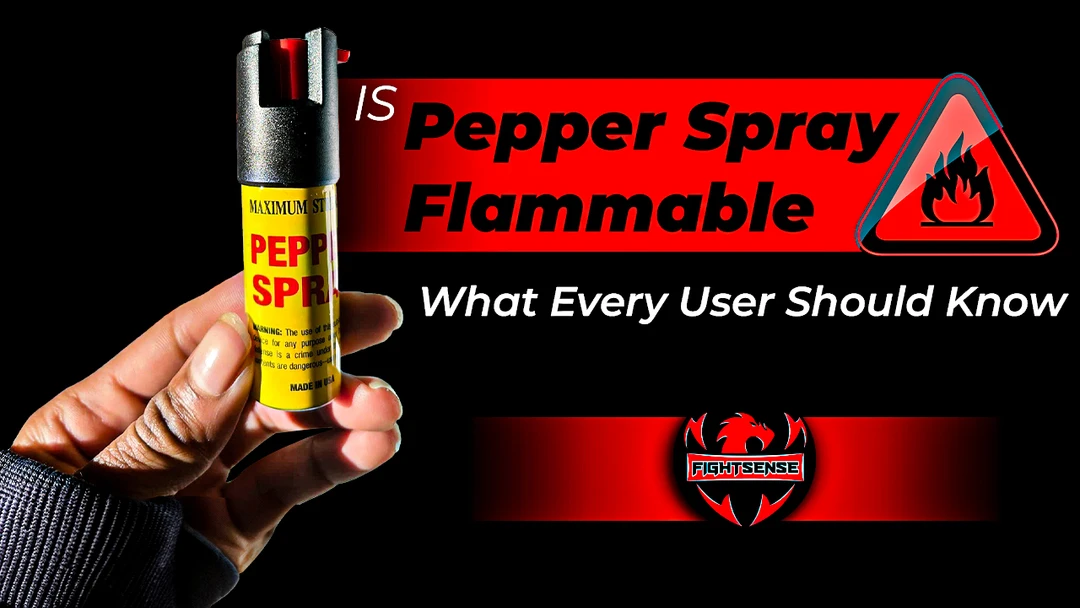
Is Pepper Spray Flammable? What Every User Should Know
Pepper spray is widely recognized as an effective non-lethal self-defense tool. However, a common question that arises is: Is pepper spray flammable? Understanding the properties of pepper spray, particularly its flammability, is crucial for ensuring safe usage. This blog will explore the components of pepper spray, assess its flammability, and provide important safety tips for its use.
Key Notes
- The flammability of pepper spray varies based on its formulation. Alcohol-based sprays and those with aerosol propellants like butane or propane are flammable, while water-based sprays are generally non-flammable.
- Users should avoid using pepper spray near open flames or heat sources, especially if the spray is flammable. Proper storage and awareness of the spray's composition are essential for safe usage.
- The flammability of pepper spray can influence its legality in certain regions, and users should check local regulations and consider potential risks before use.
What is Pepper Spray Made Of?
Pepper spray is typically composed of an active ingredient known as oleoresin capsicum (OC), a natural oil derived from hot peppers. OC is suspended in a liquid carrier, which is then pressurized in a canister for easy deployment. The carrier liquid and the propellant used to pressurize the spray are the components that determine whether pepper spray is flammable.
The Flammability of Pepper Spray
The answer to the question "Is pepper spray flammable?" depends largely on the specific formulation of the spray. Here’s a breakdown:
- Alcohol-Based Sprays: Some pepper sprays use alcohol or ethanol as a carrier or propellant. These types of sprays can indeed be flammable. When sprayed near an open flame or spark, alcohol-based pepper spray could ignite, posing a significant risk to both the user and the attacker.
- Water-Based Sprays: Many modern pepper sprays use water or a non-flammable liquid as the carrier. These types of sprays are generally not flammable, making them a safer option in situations where fire hazards might be present.
- Aerosol Propellants: Traditional pepper spray canisters often use aerosol propellants, such as butane or propane, to pressurize the spray. These propellants are highly flammable, so if the spray is released near a source of ignition, it could potentially catch fire.
Which Types of Pepper Spray Are More Likely to Be Flammable?
Not every pepper spray carries the same fire risk. The ingredients used in the carrier liquid and propellant can make a significant difference. The table below shows how different pepper spray formulations compare in terms of flammability and typical use cases.
|
Pepper Spray Type |
Fire Risk |
Why? |
Common Use |
|
Alcohol-Based Pepper Spray |
Higher |
Contains alcohol that may ignite near flames or sparks |
Outdoor self-defense situations |
|
Water-Based Pepper Spray |
Very Low |
Uses non-flammable liquid carriers |
Everyday personal protection |
|
Aerosol Pepper Spray |
Moderate to High |
May contain flammable propellants like butane or propane |
Fast deployment in emergencies |
|
Gel Pepper Spray |
Low |
Produces less airborne mist and often uses safer formulas |
Indoor and close-range defense |
|
Foam Pepper Spray |
Low |
Controlled application with limited overspray |
Areas where bystanders are present |
Key Takeaway: The answer to is pepper spray flammable depends on the specific formula. Water-based, gel, and foam sprays generally have a lower fire risk, while alcohol-based and aerosol-propelled sprays require extra caution around heat and open flames.
Safety Considerations
Understanding whether pepper spray is flammable is important, but even more critical is knowing how to use it safely. Here are some key safety tips:
- If you are carrying or using pepper spray, avoid using it near open flames, stoves, or any other sources of ignition. This is particularly important if your pepper spray is alcohol-based or contains flammable propellants.
- Before purchasing pepper spray, check the label for information about the carrier liquid and propellant. Opt for water-based, non-flammable sprays if you are concerned about the risk of fire.
- Even if your pepper spray is not flammable, using it in confined spaces can be dangerous due to the risk of inhalation and the potential for the spray to linger in the air.
- Store your pepper spray in a cool, dry place, away from heat sources or direct sunlight. Extreme heat can cause pressurized canisters to burst, which could be dangerous.
Is Pepper Spray Flammable and Why Do Local Laws Matter?
In some regions, the flammability of pepper spray may also affect its legality. It’s important to check local laws and regulations regarding the types of pepper spray that are permissible to carry and use. Additionally, ethical considerations should be taken into account, especially if using a flammable spray could cause unintended harm.
FAQs
1. Can pepper spray ignite when sprayed?
Pepper spray may ignite if it contains alcohol-based formulas or flammable aerosol propellants, especially near sparks or open flames.
2. Is it safe to use self-defense spray around heat or fire?
Using a personal defense spray near heat sources can be dangerous if the product includes flammable ingredients or pressurized gases.
3. Which pepper spray formulas are considered non-flammable?
Water-based OC sprays are generally non-flammable and are safer to use in environments where fire risks exist.
4. Do aerosol propellants increase fire hazards in defense sprays?
Yes, sprays that use propellants like butane or propane can increase the risk of ignition when exposed to flames or high heat.
5. How can users determine if a pepper spray is fire-resistant?
Check the product label for details about the carrier liquid and propellant—alcohol or flammable gases indicate a higher fire risk.
Conclusion
So, is pepper spray flammable? The answer varies depending on the formulation. While some pepper sprays are flammable due to their alcohol-based carriers or aerosol propellants, others are designed to be non-flammable. To ensure your safety and the safety of others, it's crucial to choose the right type of pepper spray and use it responsibly. Always be aware of your surroundings and avoid using pepper spray near any sources of ignition.
Disclaimer
This blog is for informational purposes only and does not constitute legal or professional advice. Always check local laws and consult safety guidelines before using pepper spray.