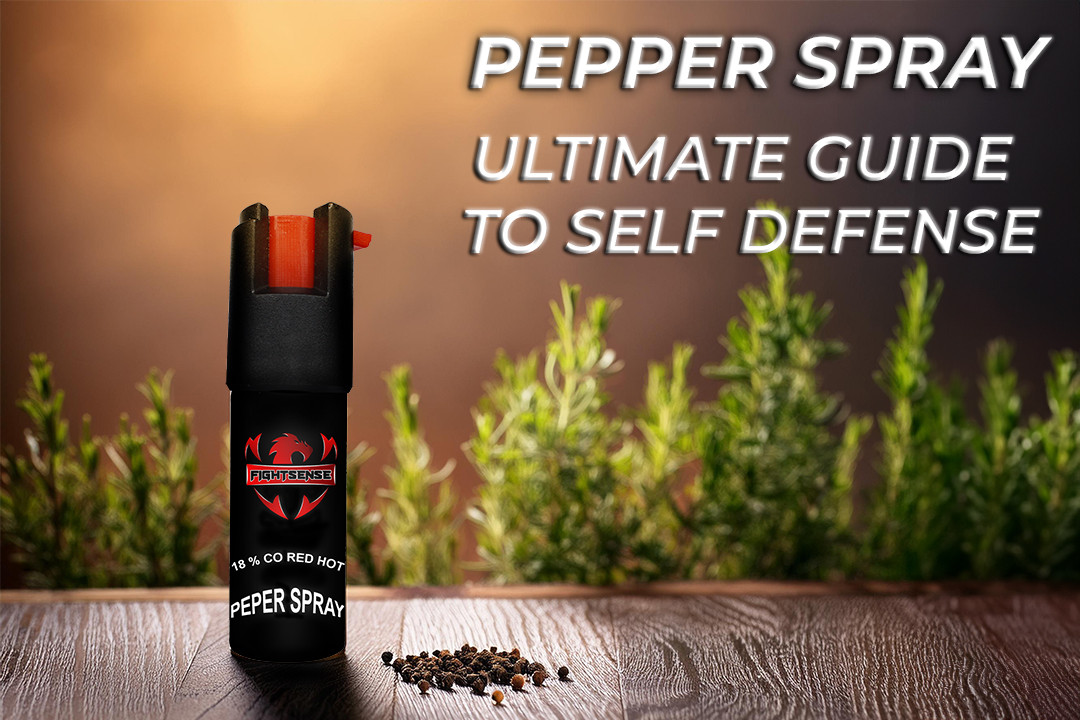
The Ultimate Guide to Self Defense Pepper Spray
In today's world, personal safety is a growing concern. One of the most effective and accessible tools for self-defense is pepper spray. Known for its ability to incapacitate an attacker quickly, self defense pepper spray has become a popular choice for individuals seeking to protect themselves. This comprehensive guide will cover everything you need about self-defense pepper spray, including its benefits, usage, and legal considerations.
Key Notes
- Self-defense pepper spray incapacitates attackers temporarily, providing a safe escape opportunity without causing permanent harm.
- Understand local laws regarding purchase age, sale locations, and size restrictions to ensure compliance when carrying self-defense pepper spray.
- Select from different types like stream, fog, gel, or foam based on your preference for range, wind resistance, and ease of use.
What is Self Defense Pepper Spray?
Self defense pepper spray is a non-lethal aerosol spray containing oleoresin capsicum, a natural oil derived from hot peppers. When sprayed into an attacker's face, it causes immediate pain, temporary blindness, and difficulty breathing, giving the victim time to escape. Self-defense pepper spray is compact, easy to carry, and simple to use, making it an ideal choice for personal protection.
Benefits of Self Defense Pepper Spray
- Effectiveness: Self-defense pepper spray is highly effective in deterring attackers. The intense burning sensation and temporary blindness it causes can incapacitate an assailant for up to 45 minutes.
- Ease of Use: Using self-defense pepper spray requires minimal training. Most sprays have a simple push-button or twist-top mechanism, making them user-friendly.
- Portability: Self-defense pepper spray is small and lightweight, allowing you to carry it in your pocket, purse, or keychain. Its portability ensures that you have a means of protection readily available at all times.
- Non-Lethal: Unlike firearms or other weapons, self-defense pepper spray is non-lethal, reducing the risk of causing permanent harm to the attacker. This makes it a preferred choice for those who want to protect themselves without resorting to deadly force.
What Are the Limitations of Self-Defense Pepper Spray?
Self-defense pepper spray can provide an opportunity to escape a threatening situation, but it has limitations that users should understand before carrying it. Wind may blow the spray back toward the user, while enclosed spaces can increase the risk of accidental exposure. Stress can also make it difficult to locate the safety mechanism or operate the canister correctly.
Spray range, capacity, and effectiveness vary by product and environmental conditions. Some formulations may also affect people differently. Pepper spray should therefore be treated as one part of a personal safety plan rather than a guarantee of protection. Staying aware of your surroundings, maintaining a safe distance when possible, and seeking help after reaching safety remain important.
How to Choose Pepper Spray for Everyday Carry
Choosing pepper spray for everyday carry involves more than comparing advertised strength. The right option should be easy to access, comfortable to carry, and equipped with a safety mechanism that helps prevent accidental discharge.
-
Keychain models: Compact options that can attach to a key ring or bag, provided they remain securely fastened and accessible.
-
Pocket-size canisters: Suitable for users who prefer to carry their personal safety equipment in a pocket or dedicated compartment.
-
Safety mechanism: Look for a clearly explained safety lock or trigger design that helps reduce accidental activation.
-
Spray pattern: Consider whether a stream, gel, fog, or foam formulation better suits your intended use and environment.
-
Expiration and condition: Check the expiration date, manufacturer instructions, and canister condition regularly.
Before carrying a new product, read its instructions and familiarize yourself with the safety mechanism without discharging it. Keep it secured away from children and follow local laws on possession and carry.
How to Use Self Defense Pepper Spray
To maximize the effectiveness of self-defense pepper spray, follow these steps:
- Carry It Properly: Always have your self-defense pepper spray easily accessible. Whether it’s in your pocket, or purse, or attached to your keys, make sure you can reach it quickly in an emergency.
- Aim for the Face: When using self-defense pepper spray, aim for the attacker's face, specifically the eyes and nose. This will ensure maximum impact and effectiveness.
- Use Short Bursts: Spray in short bursts rather than a continuous stream. This helps conserve your self-defense pepper spray and ensures that the attacker receives multiple doses if needed.
- Create Distance: After spraying, create distance between yourself and the attacker. Use the opportunity to escape and seek help.
What to Do If Pepper Spray Affects You Accidentally
Accidental exposure to pepper spray can cause intense eye irritation, tearing, coughing, and skin discomfort. If exposure occurs, move away from the contaminated area and get to fresh air as soon as it is safe to do so.
-
Avoid rubbing your eyes or touching your face, as this may spread the irritant.
-
Gently rinse affected eyes with clean, running water and follow the product manufacturer's first-aid instructions.
-
Remove contaminated clothing carefully and avoid transferring residue to other people or surfaces.
-
Wash exposed skin gently according to the product instructions, and do not apply unverified home remedies.
Seek urgent medical attention if you experience breathing difficulties, severe eye pain, vision problems, or symptoms that persist or worsen. People with asthma or other respiratory conditions may be especially vulnerable to exposure. When in doubt, contact a medical professional or local poison information service.
Legal Considerations
While self-defense pepper spray is legal in many places, it’s important to understand the laws in your area. Here are some general guidelines:
- Age Restrictions: Most jurisdictions require users to be at least 18 years old to purchase and carry self-defense pepper spray.
- Purchase Locations: Some states restrict the sale of self-defense pepper spray to licensed dealers or specific retail locations.
- Labeling and Size: Regulations may dictate the size of the self-defense pepper spray canister and require specific labeling regarding its use and safety information.
Always check your local laws to ensure you comply with any regulations related to self-defense pepper spray.
Can You Carry Pepper Spray in a Purse, Car, or on a Keychain?
Pepper spray can be available in compact formats designed for keychains, bags, and everyday carry, but where and how you store it matters. Choose a secure location that allows access when needed without exposing the trigger to accidental pressure.
When carrying pepper spray in a purse, keep it in a consistent, accessible compartment rather than loose among other items. For keychain models, check that the attachment is secure and that the safety mechanism cannot easily be activated by surrounding objects.
Storing pepper spray in a vehicle requires additional care because temperatures inside parked cars can become extremely high or low. Follow the manufacturer's storage limits and avoid leaving a canister in a vehicle when conditions exceed those limits.
Carry and transport rules vary by jurisdiction and may differ for public buildings, schools, workplaces, and other restricted locations. Check the applicable local laws before carrying pepper spray in any of these settings.
Choosing the Right Self-Defense Pepper Spray
When selecting self-defense pepper spray, consider the following factors:
- Spray Type: There are various types of self-defense pepper sprays, including stream, fog, gel, and foam. Each type has its advantages and disadvantages. For example, a stream spray is less affected by wind but requires precise aiming, while a fog spray covers a wider area but can be influenced by wind conditions.
- Size: Self-defense pepper spray comes in different sizes, ranging from compact keychain models to larger canisters. Choose a size that balances portability with the amount of spray available.
- Strength: The strength of self-defense pepper spray is measured in Scoville Heat Units (SHUs) or the percentage of oleoresin capsicum. Higher SHU ratings or percentages indicate a stronger spray.
- Additional Features: Some self-defense pepper sprays come with added features like UV dye, which marks the attacker for identification, or safety mechanisms to prevent accidental discharge.
Stream vs. Fog vs. Gel Pepper Spray: What's the Difference?
Pepper spray formulations differ in how they disperse, which can affect their suitability for different situations.
-
Stream: Directs the spray in a narrower pattern. It requires more precise direction, and wind can still affect its path.
-
Fog: Disperses the formula across a wider area but may create a greater risk of blowback, especially outdoors in windy conditions.
-
Gel: Uses a thicker formulation designed for more localized application. Its performance and effective range depend on the specific product.
-
Foam: Produces a foam-like application that may be easier to distinguish on a surface, although handling and exposure risks still depend on the formulation.
No spray type is ideal for every environment. Compare the manufacturer's stated range, safety instructions, canister capacity, and applicable carry restrictions before choosing a product.
Conclusion
Self-defense pepper spray is a powerful and practical tool for personal protection. Its effectiveness, ease of use, and non-lethal nature make it an excellent choice for individuals seeking to enhance their safety. By understanding how to use self-defense pepper spray properly and being aware of the legal considerations, you can confidently carry and deploy this tool if the need arises.
Remember, your safety is paramount, and being prepared with self-defense pepper spray can provide you with peace of mind and an added layer of security.
FAQs
1. Is pepper spray for self defence effective in real-life situations?
Yes, pepper spray for self defence is highly effective as it temporarily disables an attacker by causing eye irritation, breathing difficulty, and confusion, giving you time to escape safely.
2. How to use pepper spray correctly during an emergency?
To know how to use pepper spray, aim at the attacker’s eyes from a safe distance, press the trigger in short bursts, and move away immediately after spraying.
3. Is pepper spray for self defense legal and safe to carry?
Pepper spray for self defense is generally considered a non-lethal personal safety tool, but users should always check local laws and practice responsible usage.
4. What kind of pepper spray should I get for daily personal safety?
If you’re wondering what kind of pepper spray should i get, choose a compact, easy-to-carry spray with a strong OC formula, safety lock, and a reliable spray range for quick self-protection.
5. Are pepper sprays one time use or reusable?
Many people ask are pepper sprays one time use — most pepper sprays are reusable and provide multiple bursts, though smaller models may be limited depending on size and spray capacity.
Disclaimer
This content is for informational purposes only and not legal advice. Laws regarding self-defense pepper spray may change, so always consult a legal professional or local authorities to ensure compliance. The author and publisher are not responsible for actions taken based on this information.