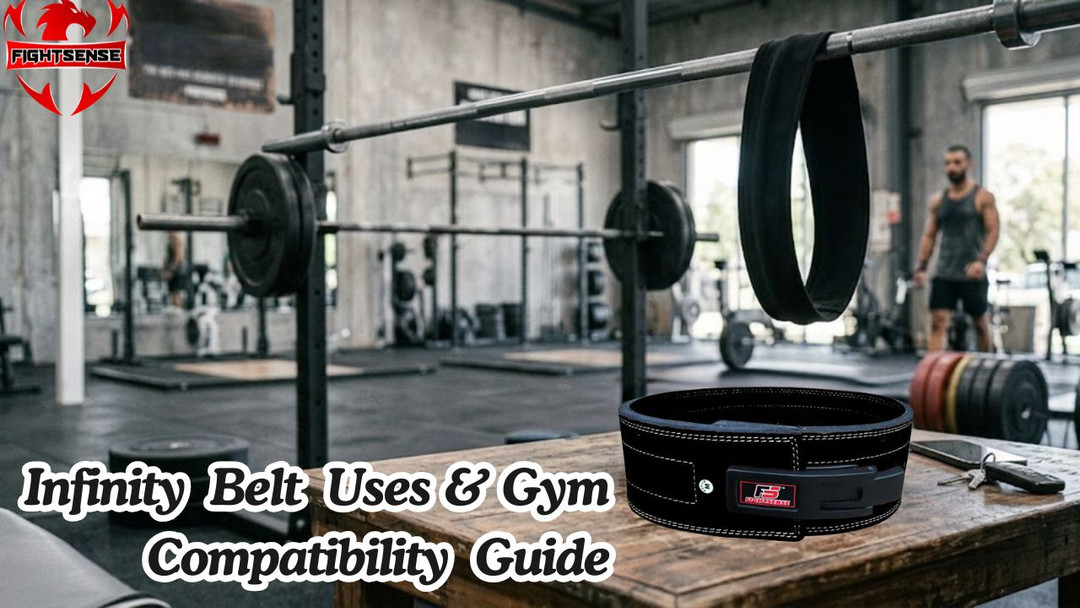
Infinity Belt Uses & Gym Compatibility Guide
Whether you are looking for convenient activewear accessories or searching for daily training gear, you may have come across the term Infinity Belt. Known for its seamless construction and versatile fit, this style of belt has earned widespread popularity among runners, casual fitness enthusiasts, and everyday commuters.
However, if you plan to use a seamless running strap during high-intensity fitness sessions or heavy strength training, understanding its precise function—and its structural limitations—is essential.
What Is an Infinity Belt?
An Infinity Belt refers to a continuous or micro-adjustable waist belt designed to eliminate traditional bulk, loose strap ends, or restrictive pin holes. Unlike standard leather or woven belts that rely on spaced holes, this design focuses on a smooth, uninterrupted fit around the waist.
In the modern consumer market, the term primarily describes two distinct product categories: stretchable running pouches and micro-adjustable ratchet belts.
Types of Infinity Belts Explained
To select the right gear, it helps to distinguish between the two primary variations available today.
1. The Stretchable Running Pouch Belt
This variant features a continuous band of elasticized tubular fabric that pulls up over the hips or head. It sits flat against the waist and features subtle slit openings to hold personal items.
2. The Micro-Adjustable Ratchet Belt
Designed for casual or formal wear, this version uses a concealed tracking mechanism inside the strap. It allows adjustments in precise quarter-inch increments rather than fixed hole steps.
Can You Use an Infinity Belt in the Gym?
Yes, you can wear a fabric storage wrap in the gym, but its effectiveness depends entirely on your specific workout routine.
For Cardio, Mobility, and Light Exercise
If your routine consists of walking, jogging on the treadmill, bodyweight circuit training, or stretching, a running-style pouch belt performs exceptionally well. It holds your smartphone, keys, and gym pass securely without bouncing or interfering with movement.
For Heavy Lifting and Core Support
If your goal is heavy strength training, compound lifts, or spine stabilization, a flexible utility waist band is not suitable. Soft fabric bands lack the material density and mechanical rigidity needed to create intra-abdominal pressure during heavy loads.
Flexible utility waist band vs. Weightlifting Belts: Key Differences
To understand why specialized equipment is necessary for heavy lifting, consider how these belts compare across critical functional metrics:
|
Feature |
Infinity / Pouch Belt |
Weightlifting Belt |
Lever Weightlifting Belt |
|
Primary Material |
Elastic spandex / nylon blend |
Heavy-duty genuine leather or stiff nylon |
Multi-ply rigid leather |
|
Closure Mechanism |
Seamless pull-on or slide lock |
Heavy steel pin buckle |
|
|
Main Function |
Storage & casual wear |
Core bracing & spine support |
|
|
Back Support Level |
None |
High |
Exceptional |
|
Best Used For |
Running, walking, travel |
Bodybuilding, squats, deadlifts |
Powerlifting, heavy compound sets |
When lifting heavy weights, dedicated strength gear is required to brace the torso effectively. Brands like FightSense provided high-density weightlifting belts and steel lever belts designed specifically to support the lower back during high-load training sessions.
Pros and Cons of fabric storage wrap
Understanding the advantages and drawbacks helps set realistic expectations before buying.
Pros
- Comfortable Fit: Eliminates digging buckles and pressure points around the waist.
- Bounce-Free Storage: Keeps personal items secure during active movement.
- Low-Profile Aesthetics: Fits smoothly under athletic shirts without adding bulk.
Cons
- Zero Spine Support: Offers no structural reinforcement for heavy lifting.
- Limited Load Capacity: Carrying heavy objects can stretch out the fabric over time.
- Specific Fit Requirements: Fabric versions require accurate sizing since they lack wide adjustment ranges.
How to Choose the Right Belt for Your Goals
Follow this step-by-step process to select the ideal belt for your routine:
- Identify Your Training Style: Determine whether your workouts focus primarily on cardio or heavy strength training.
- Determine Storage Needs: Decide if you need to carry small personal items like phones or keys during exercise.
- Assess Support Requirements: Choose a rigid leather or heavy nylon belt if you perform heavy compound movements like squats and deadlifts.
- Verify Sizing and Materials: Measure your waist at the navel level rather than using your pant size to ensure an accurate fit.
Expert Tips for Safe Gym Workouts
- Match Gear to Activity: Use lightweight pouch belts for cardio and transition to dedicated lifting belts for heavy weight sets.
- Focus on Proper Bracing: Remember that a weightlifting belt does not replace proper core muscle engagement; it provides a rigid surface to push against.
- Position Belts Correctly: Wear storage belts low on the hips for stability, while placement for lifting belts depends on torso comfort during movements.
Common Belt Mistakes to Avoid
- Using Storage Belts for Heavy Lifts: Assuming a snug fabric belt offers lower back protection during heavy deadlifts.
- Incorrect Sizing: Buying fabric belts based on pant sizing instead of actual waist measurement.
- Over-Tightening Pouch Belts: Wearing elastic bands too tight, which can restrict comfortable breathing during cardio workouts.
FAQs:
Is an elastic pouch loop suitable for powerlifting?
A seamless running strap is designed for phone storage or casual wear and does not provide the rigid core support required for powerlifting.
Can a stretchable workout band hold a large smartphone during running?
Most expandable waist sleeves adjust to hold standard smartphones flat against the body without shifting.
What is the main benefit of a lever weightlifting belt?
Lever-based strength gear locks into position at maximum tightness instantly and allows quick release between sets without manual unbuckling.
How tight should a weightlifting belt be worn?
A supportive training wrap should sit tight enough to brace your abdominal wall against, without restricting normal breathing or altering movement posture.
Why do lifters prefer leather over fabric belts for heavy sets?
Rigid leather maintains structural integrity under extreme tension, creating the firm resistance necessary for maximum core stabilization.
Can wear a low-profile runner belt under clothes during workouts?
The slim profile of elastic running wraps allows t
Conclusion
The Infinity Belt serves as an exceptional accessory for runners, travelers, and casual gym-goers who need comfortable, low-profile storage for personal items. However, it is fundamentally different from structural gym gear. For athletes looking to protect their lower back, improve core stability, and push heavier loads safely, investing in purpose-built strength equipment remains the best choice for long-term progression.
Disclaimer:
For informational purposes only, not professional fitness or medical advice. Always consult a certified trainer before heavy lifting.