
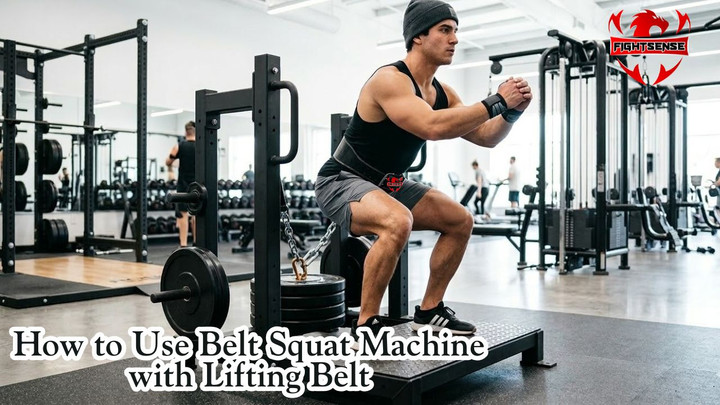
How to Use Belt Squat Machine with Lifting Belt
26th Mar 2025
Key Highlights:
-
Adjust the machine and belt properly for comfort and safe lifting.
-
Maintain proper form to maximize results and reduce the risk of injury.
-
Use controlled, deliberate movements to fully engage your quads, glutes, and hamstrings.
-
Customize your workouts for specific goals like rehabilitation, endurance, or strength.
-
A spine-friendly alternative to traditional squats, the belt squat machine lets you train heavy safely.
Understanding the Belt Squat Machine:
The belt squat machine is a specialized gym tool that allows you to strengthen your legs without putting pressure on your lower back. Unlike traditional squats, the weight is transferred to your hips through a cable or lever system, letting you lift heavier safely.
Most machines feature a stable platform to stand on, a weight stack or plate holder, and handles or attachments for balance. This design lets you focus on your quads, glutes, and hamstrings while maintaining proper form and minimizing the risk of injury.
Using a Lifting Belt with the Belt Squat Machine:
A lifting belt adds extra support when using the belt squat machine. It wraps snugly around your hips or lower waist and attaches securely to the machine’s hook or lever.
This setup transfers the weight from the belt to your hips while keeping your core stable and your posture correct. By stabilizing your lower back, the belt allows you to lift heavier safely and focus more effectively on your quads, glutes, and hamstrings without compromising form.
When choosing a lifting belt:
-
Leather belts are stiff and provide maximum support.
-
Nylon belts are more flexible and better for beginners or higher-rep workouts.
A properly fitted belt should be snug but not so tight that it restricts breathing or movement.
Belt Squat vs Regular Squat:
It’s important to understand how the belt squat differs from a traditional squat:
-
Load Placement: Barbell squats place weight on your upper back; belt squats place it on your hips.
-
Spinal Stress: Belt squats reduce pressure on the lower back.
-
Isolation: You can focus more directly on quads, glutes, and hamstrings without worrying about spinal alignment.
Step-by-Step Guide to Using the Belt Squat Machine:
Performing a belt squat properly involves careful attention to posture, movement, and breathing. Here’s a detailed breakdown:
Put on the Lifting Belt:
-
Position the belt around your hips or lower waist, depending on your body type.
-
Ensure it’s snug but allows for controlled breathing.
Attach Belt to the Machine:
-
Most machines have a hook or lever for attaching the belt.
-
Secure the belt firmly; it should not slip during the lift.
Step onto the Platform:
-
Stand with your feet shoulder-width apart, toes slightly pointed out.
-
Distribute weight evenly across your heels and midfoot.
Set Your Posture:
-
Chest up and proud, shoulders back.
-
Core engaged and spine neutral.
-
Avoid rounding your back, as this can negate the benefits of the belt.
Perform the Squat:
-
Lower yourself slowly, bending at the hips and knees simultaneously.
-
Aim for thighs parallel to the floor or as low as your mobility allows.
-
Keep knees aligned with your toes; do not let them cave inward.
-
Push through your heels to return to the starting position.
Breathing:
-
Inhale as you descend.
-
Exhale as you push back up to the starting position.
This method ensures maximum stability and power while minimizing injury risk.
Common Mistakes to Avoid:
Even experienced lifters can make mistakes on the belt squat machine. Watch out for:
1. Incorrect Belt Position – Too loose or too high can reduce support.
2. Knee Collapse – Keep knees aligned with your toes throughout the movement.
3. Heels Lifting – Maintain flat feet on the platform to engage quads and glutes properly.
4. Too Much Weight – Start light and focus on form before adding heavy loads.
5. Skipping Warm-Up – Always warm up with mobility exercises and lighter sets.
How to Use Belt Squat Machine for Maximum Gains:
Learning how to use belt squat machine depends on first developing form and technique. Good posture guarantees you target the correct muscle groups and helps you prevent damage.
1. Engage Your Core: A strong core helps you to support your body during squats, therefore enhancing balance and power.
2. Focus on Range of Motion: Emphasize Range of Motion: Try a deep squat, keeping correct alignment between your toes and knees.
3. Control Your Movement: Steer clear of jerky actions; calm, deliberate movements improve muscular involvement and reduce tension.
How to Use Squat Machine with Belt for Specific Goals:
Here are specific ideas if you're wondering how to use belt squat machine with a belt to satisfy your particular fitness goals:
-
For Strength Building: Load the machine with greater weights to build power; do 4–6 repetitions.
-
For Muscle Endurance: Use smaller weights and raise repetitions to 12–15 for a boost in endurance.
-
For Rehabilitation: Starting with bodyweight squats or minimal resistance, carefully post-injury restore strength.
Sample Workout & Rep Scheme:
| Level | Sets x Reps | Notes |
|---|---|---|
| Beginner | 3 x 12–15 | Focus on form, slow controlled reps |
| Intermediate | 4 x 8–12 | Gradually increase weight |
| Advanced | 5 x 6–10 | Use progressive overload |
Benefits of the Belt Squat Machine:
1. Spinal Relief: Unlike classic squats, spinal relief releases pressure on the back and shoulders.
2. Enhanced Muscle Targeting: Strengthens glutes, quadriceps, hamstrings, and calves by improved muscle targeting.
3. Versatility: Itis appropriate for novices, elite athletes, and those recovering.
4. Injury Prevention: Offers a regulated setting for effective and efficient squatting.
5. Improved Performance: Enhanced lower body strength from improved performance correlates to increased athletic ability.
Tips for Maximizing Results:
1. Consistency is Key – Include belt squats 1–2 times per week in your lower-body routine.
2. Mind-Muscle Connection – Focus on glutes and quads during each rep.
3. Proper Recovery – Stretch, foam roll, and rest to allow muscles to grow.
4. Progressive Overload – Gradually increase weight, reps, or sets for steady gains.
5. Combine with Other Lifts – Complement belt squats with lunges, leg presses, and Romanian deadlifts for balanced development.
Fightsense: Supporting Your Strength Training:
When it comes to high-quality fitness equipment, Fightsense stands out as a brand that caters to serious lifters and gyms alike. They offer a range of sports and weightlifting gear, including machines like the belt squat and accessories such as lifting belts.
Beyond individual equipment, Fightsense also provides wholesale options, making it easy for gyms, training centers, and retailers to stock reliable products. By choosing Fightsense, you ensure that your training setup is safe, durable, and designed to help you get the most out of every lower-body workout.
Shop Now !
FAQs:
1. Can beginners use the belt squat machine with a lifting belt?
Yes, it reduces spinal load and the belt adds core support for safer lifting.
2. How do I attach a lifting belt correctly?
Wrap it snugly around your hips and hook it securely to the machine’s lever or cable.
3. Which muscles does the belt squat target?
Mainly quads, glutes, and hamstrings, with some core and lower back engagement.
4. Is it safe for people with back issues?
Yes, weight shifts to the hips, and the belt stabilizes the spine.
5. Does the belt help lift heavier?
Yes, it supports posture and core, allowing safe progression in weight.
Conclusion:
The belt squat machine is a versatile tool for anyone looking to build lower body strength, recover from injury, or boost athletic performance. Learning how to use belt squat machine properly ensures muscle growth while minimizing the risk of injury.
warning:
Consult a qualified trainer or healthcare professional before starting any new exercise program, especially if you have injuries or health conditions.