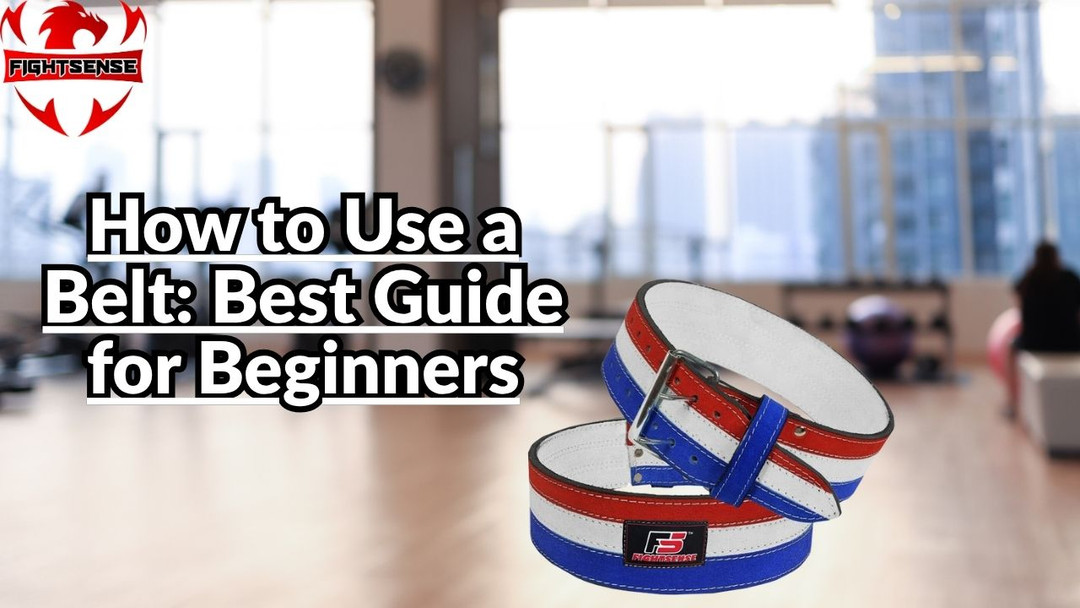
How to Use a Belt: Best Guide for Beginners
How to Use a Belt is one of the first things beginners want to understand after adding a weightlifting belt to their training routine. A belt does not magically increase strength; it helps create better stability and support when used with the right technique.
Whether you use a traditional weightlifting belt or a lever belt, learning how to use a belt with proper placement, tightness, and bracing can improve your lifting experience. This guide covers the basics beginners need to avoid common mistakes and get better support during heavy training.
Key Takeaways:
- Proper technique matters more than equipment — understanding the basics creates better results in training.
- Small setup changes, like correct positioning and adjustment, can improve your overall lifting experience.
- Confidence under heavy weight comes from control, consistency, and smart training habits.
- Beginners progress faster when they focus on learning movement patterns instead of rushing into heavier loads.
Why Is Using a Belt Helpful During Training?
When you train with heavy movements, a belt can be a helpful support aid to help you feel more solid and controlled during exercise. It doesn’t replace good technique, but if used correctly it can enhance your confidence, help you to manage your body better and make your workouts more successful. The first step to better training habits is knowing why and when to use it.
Why do heavy lifters wear a belt?
A lot of beginners think a lifting belt is just for the elite athletes or powerlifters but that's not true. If you’re doing a lot of hard compound motions, a belt can be a nice little bit of support.
The fundamental aim of a belt is to assist you build pressure around your midsection . When your midsection presses against the belt it produces a more secure feeling around your midsection.
- This may help with:
- Improved core stability
- Better control when lifting high weights
- More weight, more self-confidence
- More solid way to brace
The belt doesn’t help you lift the weight. “Your muscles still do the hard job." The belt just helps your body establish a stronger foundation.
How to Wear a Belt the Right Way?
Choosing the perfect belt is one thing, wearing it correctly is another. A belt should sit snugly around your stomach, allowing you to generate correct pressure with your core. Don’t put it too high near your ribs or too low near your hips since it can be unpleasant to move.
To wear it properly:
- wrap the belt around your core: Position the belt so your stomach can push against it when you brace.
- Change the tightness: Tighten enough to feel comfortable, but yet be able to take a deep breath.
- Use your core to build pressure: Breathe deeply before you raise. Squeeze your stomach and push your core against the belt.
- Your move: Try your lift position before you start your set. You want a belt that supports you, not restricts your movement.
For heavier activities you need a well-worn belt to assist you stay stable and controlled.
Do You Really Need a Belt Yet?
A common beginner mistake is buying a belt too early and depending on it for every exercise.
A lifting belt is most useful when you already understand basic lifting form and start training with heavier weights.
You may benefit from a belt during:
|
Exercise |
Why Lifters Use a Belt |
|
Squats |
|
|
Deadlifts |
Supports bracing during heavy pulls |
|
Overhead Press |
Helps keep the torso stable |
|
Heavy Rows |
Can provide extra trunk support |
For exercises like curls, machines, or lighter movements, a belt usually is not necessary.
The goal is not to wear a belt all the time. The goal is to use it when it actually helps your training.
Where Should a Lifting Belt Be Positioned?
Placement is one of the more crucial aspects of learning How to Use a Belt.
A belt should sit somewhere along your waist so your core can push against it.
It should not be:
- Sit right beneath your ribs
- Sleep on your hips bones.
- It’s like it’s stopping you from moving
The correct position may feel a little different, depending on your body shape and the exercise you are doing.
Many lifters choose a stance for squats that allows strong abdominal pressure.
Some lifters change their position significantly when doing deadlifts so they can reach the bar comfortably.
A good belt posture should help your movement, not restrict it.
Are You Wearing It Too Tight?
Sitting tighter isn't always sitting better.
If you wear the belt excessively tight, you may find it difficult to breathe correctly or generate the pressure required for a powerful brace.
A belt should be the right fit:
- Feel secure at your waist
- Let you breathe deep
- Let your belly grow into it
- Stay put when moving
Do this basic test:
After you tighten your belt, breathe deeply.
If you can expand that stomach a little and press into the belt, it's generally a good fit.
If you cannot breathe easily, loosen it a little.
Are You Bracing the Right Way?
Many beginners get this wrong when learning How to Use a Belt.
A belt doesn't create support on its own. Your body has to cooperate with it.
This is what proper bracing looks like:
- Deep Breath: Rather than just elevating your chest, fill up the abdominal area with air.
- Strengthen Your Core: Picture your gut bulging out in every direction.
- Press Into the Belt: Push with your abdominal muscles against the belt.
- Keep That Pressure: Complete the movement keeping your core firm.
This technique helps the belt do what it was supposed to do: provide a secure platform for your core.
Can The Belt Help You Lift Better?
A belt can help, but it is no shortcut.
- It won't replace:
- Consistent training
- Eating healthy
- Correct method
- Development of strength
What a belt can accomplish is to help you feel more steady and confident when lifting heavy weight.
For many lifters, once they learn how to brace properly, the belt becomes a useful part of their training.
Can a Wrong Belt Size Impact Your Performance?
Yes, belt size is more important than most beginners realize.
A belt that is too small can be constricting, whereas one that is too large may not give enough support.
A proper fit should permit:
- Easy breathing
- Proper support
- Steady motion
- Easy to modify
Before you choose a belt, make sure you’re measuring properly and that you’re comfortable with the way it feels in the middle of your actual lifts.
What Makes a Good Beginner’s Belt?
What to look for in a beginner-friendly lifting belt:
- Snug fit
- Dependable support
- Simple adjustment
- Heavy-duty construction
Which one is right depending on how you train.
Some new lifters enjoy the simplicity of a classic belt while others prefer the fast adjustment of a lever belt.
Fightsense weightlifting belts and lever belts are for lifters who seek real support in strength training without complicating the procedure.
The Biggest Belt Mistake Beginners Make?
- Wearing the belt too tight → It can cut off your circulation and make you feel uncomfortable.
- Over tightening → Breathing is restricted, and moving is painful.
- Use it for every activity → Not all workout movements need belt assistance.
- Skipping the method → A belt won’t replace good form and controlled movement.
- Choosing the wrong size → An ill-fitting size can lead to discomfort and decrease efficacy.
Shop Now!
FAQs:
1. Can I get stronger instantly with a belt?
Nope. A belt does not make you stronger , but can help you with stability and support for heavy activities .
2. Is my belt so tight I can’t breathe?
No. You should still be able to take deep breaths and brace your core appropriately.
3. Is it possible to substitute a belt for core training?
No. It supports your core but doesn’t substitute establishing strength and control.
4. Why is the position of the belt important?
Proper positioning allows greater bracing and prevents discomfort when moving.
5. Is it okay to use the same belt for squats and deadlifts?
Not necessarily. Different activities may require slight tweaks for comfort
6. How do I know my belt is functioning properly?
You should feel more stable and in control, not confined or uncomfortable.
Final Thoughts
Learning How to Use a Belt correctly can make your training more comfortable, controlled, and effective. A weightlifting belt is not a shortcut or a replacement for proper technique; it works best when combined with correct positioning, good form, and strong bracing habits.
Whether you choose a traditional lifting belt or a lever belt, the main goal is to improve stability and support during challenging movements. When used the right way, a belt can become a valuable part of your fitness journey and help you train with more confidence.
Disclaimer:
This article is for informational purposes only and is not a substitute for professional fitness advice. Always use proper technique and train according to your experience level.