
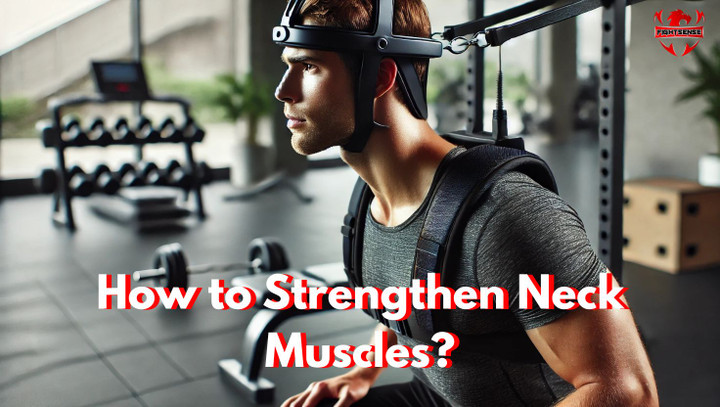
How to Strengthen Neck Muscles?
22nd Apr 2025
How to strengthen neck muscles the right way can significantly improve posture, reduce discomfort, and enhance daily performance. A strong neck doesn’t just support the head—it contributes to overall stability, alignment, and injury prevention.
This guide walks you through practical neck workouts, posture-correcting tips, and simple at-home exercises to help you build strength, ease tension, and improve mobility in everyday life.
Key Highlights:
-
Neck Strength: Essential for head stability and spinal alignment.
-
Targeted Exercises: Focus on flexion, extension, and lateral movements.
-
Resistance Training: Add bands or isometric drills for muscle growth.
-
Posture Improvement: Regular neck exercises enhance posture.
-
Consistency: Perform exercises consistently for best results.
Anatomy of the Neck:
The neck may seem small, but it’s made up of several key muscles that keep your head stable, strong, and mobile. Understanding these muscles helps you train them safely and effectively.
Key Neck Muscles:
1. Sternocleidomastoid (SCM) – Runs along the sides of your neck. Helps you turn and tilt your head.
2. Trapezius – Extends from your neck to your shoulders and upper back. Supports posture and absorbs impact.
3. Splenius Muscles – Located at the back of the neck. Helps extend and rotate your head.
Why it matters for fighters:
-
Protects your head and spine during punches or takedowns.
-
Improves balance and control in grappling.
-
Reduces risk of whiplash and concussion.
Think of your neck as your body’s shock absorber – the stronger it is, the safer and more powerful your movements in the ring or on the mat.
Benefits of a Strong Neck for Fighters:
Strengthening your neck has direct advantages in fighting:
-
Injury prevention: Reduces the risk of concussions, whiplash, and neck strains.
-
Better performance: Strong neck muscles help you take hits, maintain balance, and generate power.
-
Improved posture: A strong neck supports your spine, making your stance more stable.
Warm-Up and Safety Tips:
Before starting any neck exercises, proper warm-up is essential:
-
Neck stretches: Gently tilt and rotate your head side to side.
-
Light mobility exercises: Shrugs, head nods, and small rotations.
-
Safety first: Start slowly, avoid sudden jerks, and focus on correct form.
How to Strengthen Neck Muscles?
Here are the most effective exercises for fighters:
1. Neck Bridges:
-
-
Lie on your back or stomach and lift your body using your head and feet.
-
Builds overall neck strength and stability.
-
Tip: Start with small lifts; don’t overstrain.
-
2. Chin Tucks:
-
-
Sit or stand upright, tuck your chin toward your chest, and hold.
-
Improves posture and strengthens the front neck muscles.
-
3. Resistance Band Neck Extensions & Flexions:
-
-
Use a resistance band to gently push/pull your head backward or forward.
-
Progressive way to strengthen neck muscles safely.
-
4. Side Neck Lifts:
-
-
Lie on your side and lift your head slightly.
-
Strengthens lateral neck muscles to better resist side hits.
-
5. Shrugs and Traps:
-
-
Use dumbbells or bodyweight to lift shoulders.
-
Strengthens trapezius muscles, supporting overall neck stability.
-
Integrating Neck Training into Fightsense Workouts:
-
Frequency: 2–3 times per week is enough.
-
Routine: 10–15 minutes per session is effective.
-
Combination: Pair neck exercises with your regular FightSense martial arts or MMA workouts.
Sample mini routine:
-
10 chin tucks
-
10 neck extensions with band
-
10 side lifts per side
-
15 shoulder shrugs
Common Mistakes to Avoid:
-
Overtraining – neck muscles recover slower than other muscles.
-
Poor form – jerky or fast movements can lead to injury.
-
Skipping warm-up – always prepare the neck before resistance work.
Recovery and Maintenance:
-
Rest: Allow 48 hours between intense neck workouts.
-
Recovery tools: Ice, massage, and gentle mobility work help prevent stiffness.
-
Long-term care: Keep training consistent, focus on posture, and avoid sudden heavy impacts without protection.
Strengthen Your Neck with Fightsense:
At FightSense, we understand that a strong neck is essential for fighters and athletes. That’s why we provide high-quality equipment, training tools, and expert guidance specifically for neck strengthening exercises, alongside martial arts, boxing, and weightlifting gear.
We also offer wholesale options for gyms and sports centers, making it easy to equip your entire facility with professional-grade gear. You can safely build a powerful, injury-resistant neck while improving your overall performance.
FAQS:
1. Can neck training reduce headaches?
Yes, strengthening neck muscles helps relieve tension, improve posture, and reduce headache frequency.
2. How often should I train my neck?
2–3 times per week is ideal. Avoid daily overtraining to prevent strain.
3. Are neck exercises useful for athletes?
Definitely. They boost neck stability, reduce the risk of injuries, and can enhance overall performance.
4. Do I need equipment for neck workouts?
No. Bodyweight exercises and isometric holds are effective, though resistance bands or a neck harness can add progression.
5. How to Strengthen Neck Muscles?
Most people notice stronger neck muscles, less stiffness, and better posture within 4–6 weeks of consistent training.
Conclusion:
If you want to improve your posture or get rid of neck pain, learning how to strengthen your neck muscles is an important part of your fitness journey. Adding specific workouts for your neck muscles to your program will help make your neck stronger and more flexible.
We sell supporting fitness gear at Fightsense, such as resistance bands, training belts, and wraps. These can make your home workouts, especially neck strengthening routines, more successful. Using the appropriate tools on a regular basis can have a big impact on your strength, posture, and general health.
Note:
Consult a healthcare professional before starting any neck training program, especially if you have existing injuries or medical conditions