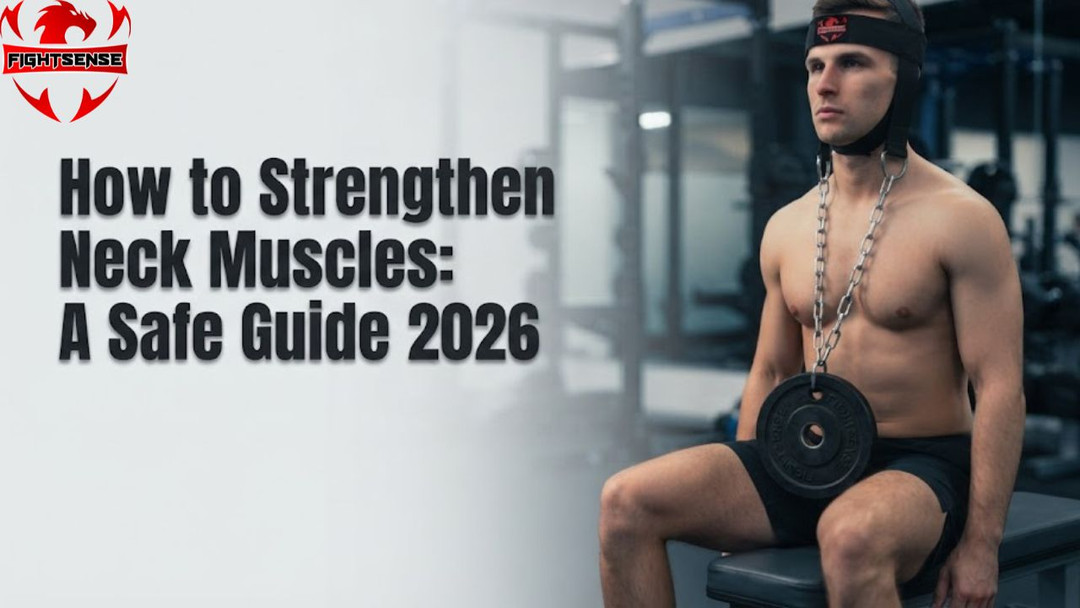
How to Strengthen Neck Muscles: A Safe Guide 2026
How to strengthen neck muscles is a question most of us only ask once we start feeling constant stiffness or pain. We spend hours at the gym focusing on our chests or legs, but we completely ignore the one part of the body that carries our head all day: the neck.
A strong neck isn't just about looking powerful; it’s the foundation for great posture, pain-free movement, and long-term spinal health. Whether you’re stuck at a desk all day dealing with 'tech neck' or you're an athlete pushing your physical limits, ignoring your neck can lead to chronic discomfort. You’re in the right place to learn how to fix this with simple, actionable steps you can actually stick to.
Key Takeaways:
- Spine Defense: Your neck is your body’s primary shock absorber against injury.
- Posture Fix: A strong neck is the secret to erasing your "tech-neck" hunch.
- Control Wins: Stability beats heavy weight; consistency is your best tool.
- Pain Relief: Strengthen deep neck muscles to permanently ditch headaches.
- Smart Growth: The neck is sensitive—train steadily and prioritize recovery.
The Role of Neck Muscles in Daily Life
Think of your neck as the body’s primary shock absorber. It’s responsible for supporting the weight of your head and protecting your spine throughout the day. When these muscles are weak, your posture naturally starts to suffer, often leading to that dreaded slouch, rounded shoulders, and those annoying, recurring tension headaches.
For athletes and active individuals, having a conditioned neck is a literal game-changer. It stabilizes your head during high-intensity movement and helps you maintain better balance when it matters most. Understanding how to train these muscles the right way ensures that you’re building long-term resilience without putting yourself at any unnecessary risk.
Knowing Your Anatomy: The Muscles That Support Your Neck and Posture
You don’t need a medical degree to train effectively, but understanding what you’re actually working on makes a world of difference. Your neck is essentially a complex network of muscles designed to keep your head steady and your spine aligned. By getting to know the primary movers, you can stop guessing and start training with real intention.
The big players here are the Sternocleidomastoid (SCM), which handle your head rotation, and the Trapezius, which act as the bridge between your neck and shoulders for better posture. Then there are the Splenius muscles at the back that provide the stability you need to stay upright. When you finally learn how to strengthen neck muscles effectively, don't just go through the motions—focus on feeling these specific muscles engage, contract, and relax with every single movement.
Safety First: How to Train Your Neck Without Risking Injury
Because the neck is a sensitive area, "ego lifting" is the enemy here. You aren't trying to set a world record; you’re trying to build stability.
- Always Warm Up: Never jump straight into resistance training. Spend five minutes doing gentle neck rotations and light movements to get the blood flowing.
- Slow and Steady: Avoid jerky, fast movements. The neck responds best to controlled, steady resistance.
- Listen to Your Body: If you feel sharp pain, stop. There is a difference between the "burn" of an active muscle and actual joint pain.
Simple Exercises to Get You Started
You don’t need a complex home gym to get results. If you want to strengthen neck muscles without a gym, start with these basics:
1. Chin Tucks
Sit upright and look straight ahead. Gently draw your chin straight back, as if you’re trying to make a double chin. Don’t look down—keep your eyes forward. Hold for 3 seconds and release. It’s simple, but incredibly effective for correcting posture.
2. Isometric Holds
Place your palm against your forehead. Push your head into your hand, but resist the movement so your head doesn't move. Hold this tension for 5–10 seconds. Repeat this for all four sides. This is perfect for those figuring out how to train their neck without needing any equipment at all.
3. Resistance Band Extensions
If you’re ready for a little more challenge, use a light resistance band. Place the band behind your head and hold the ends in front of you. Gently extend your head backward against the resistance of the band. It’s a great way to build muscle growth while keeping the movement safe and controlled.
Neck Training Methods: A Quick Comparison Guide
|
Exercise |
Primary Target |
Difficulty |
Best For |
|
Chin Tucks |
Deep Flexors |
Easy |
Posture & Pain Relief |
|
Isometric Holds |
Overall Stability |
Easy |
Beginners |
|
Band Extensions |
Splenius/Traps |
Medium |
Muscle Growth |
|
Neck Bridges |
Full Neck |
Advanced |
Combat Athletes |
Quick Fix: Combating 'Tech-Neck' During Your Workday
If you spend hours at a desk, your neck is likely in a constant state of strain from looking down at your screen. This repetitive posture compresses the cervical spine and creates chronic tension in your upper back.
To counter this, take a 30-second "reset" break every hour. Simply perform a gentle chin tuck by pulling your chin straight back, as if you’re trying to make a double chin. This small, deliberate movement resets your cervical alignment and actively combats the "tech-neck" hunch before it can settle into lasting pain.
The Role of Hydration in Neck Mobility and Muscle Health
It is a common oversight, but dehydration is one of the leading culprits behind muscle stiffness. If your neck consistently feels tight, cramped, or difficult to move, the issue might be less about your training and more about your water intake.
Your muscles rely on adequate hydration to remain pliable and elastic. Proper water intake ensures that your muscle tissues can contract and relax without friction. Staying well-hydrated throughout the day can actually improve your overall neck mobility by up to 20%, allowing you to train harder and recover faster.
The Role of Quality Gear
As you get stronger, you might want to level up your training. That’s where the right gear makes a difference. For instance, using a head harness is one of the most effective ways to safely add progressive resistance to your neck workout.
At Fightsense, we know that professional athletes and fitness enthusiasts need tools that are as tough as they are. Whether it’s a durable head harness for heavy-duty training or high-grade resistance bands, using the right equipment helps you maintain perfect form and keeps your spine protected.
FAQs:
1. Can neck training help with jaw tension?
Yes, strengthening your neck improves posture, which reduces the compensation strain on your jaw and TMJ.
2. Will neck training make my neck look too bulky?
Not really. Most training focuses on functional stability; noticeable bulk requires very specific, high-intensity protocols.
3. Is neck training safe for beginners?
Yes, if done with slow, controlled movements. Always start with bodyweight before adding any resistance tools.
4. Can these exercises help with tension headaches?
Absolutely. Strengthening the neck and upper back helps correct the posture that often triggers stress-related headaches.
5. What is the biggest mistake beginners make?
Using jerky, fast movements. Neck training should always be slow, intentional, and strictly controlled.
Conclusion:
Building a stronger, more resilient neck is a marathon, not a sprint. It takes time, but by learning how to strengthen neck muscles with patience and precision, you are investing in a future with less pain and better posture.
Don't rush the process. Start with the basics, stay consistent, and remember that your gear is your partner in this journey. Whether you are prepping for a fight or just trying to survive your work week, Fightsense is here to support your goals with the tools you need to stay safe and perform at your peak.
Learning how to strengthen neck muscles is the first step toward a more durable and athletic version of yourself.
Disclaimer:
For information only. Consult a doctor before starting any exercise program. Perform all activities at your own risk.