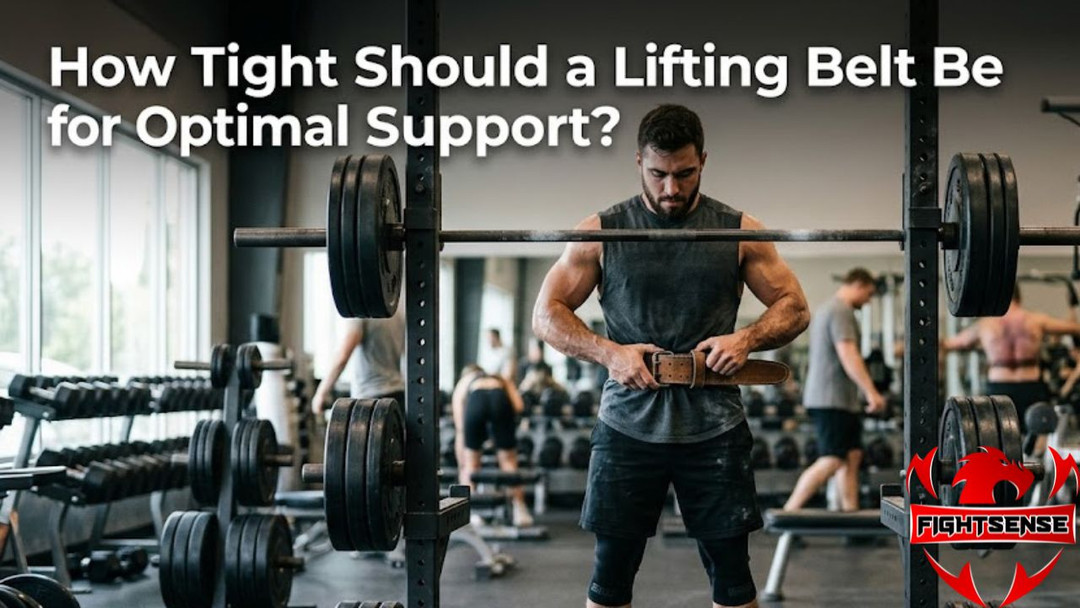
How Tight Should a Lifting Belt Be for Optimal Support?
How Tight Should a Lifting Belt Be is a common question among lifters because the right fit can improve stability, comfort, and performance. A belt that is too loose may lack support, while one that is too tight can restrict breathing and proper bracing.
The ideal fit is snug, secure, and allows your core to push against the belt while you breathe and move naturally. In this guide, we’ll cover the correct belt tightness, common mistakes, and how to get better support during heavy lifts.
Key Takeaways:
- Perfect tightness matters more than maximum tightness — your belt should support, not restrict.
- A good belt works with your core — allowing proper breathing, bracing, and stability.
- Adjust your fit for different lifts — squats and deadlifts may require different settings.
- Proper technique comes first — a belt enhances performance but does not replace good form.
- The right fit builds confidence — helping you lift with better control and support.
What Is a Lifting Belt and Why Do Lifters Wear One?
A lifting belt is a piece of strength training equipment used to increase stability during big compound lifts. It does not replace your muscles, or do the lifting for you.
Instead, it gives your core a firm surface to push against. When you take a deep breath and brace your abs, the pressure that is exerted against the belt helps keep your body stable and controlled during large lifts.
A lifting belt allows you to:
- Build a better core support
- Increase spine stability
- Enhance lift position
- Lift greater weight with more confidence
That is why many lifters wear belts during movements like:
Squats, Deadlifts,Overhead presses ,Heavy rows
A lifting belt doesn’t reduce the weight; it helps you build a stronger base for safer, more successful lifting.
How Tight Should a Lifting Belt Be for Maximum Support?
The answer is not, "as tight as you can." You want a lifting belt that provides your core with something strong enough to push against, but still allows you to breathe deeply and brace properly.
How should a well-fitted belt feel:
- Secure
- Steady
- Supportive
- Comfortable
It should allow your stomach, your sides and your core to expand naturally on a deep inhale. If the belt feels tight, unpleasant, restrictive or impacts your breathing, it is excessively tig
The idea is simple: your belt should help your mechanics of the lift and not work against your body.
How Can You Check If Your Lifting Belt Fits Correctly?
Next, after you know how tight should a lifting belt be, you should check if your belt actually fits properly.
A good fit means that you can:
- Breathe in deeply. Your stomach and core should go out as they will, not feeling like you are constricted.
- Brace correctly: your abs should be pushing against the belt, creating pressure and stability.
- Finger test: When relaxed you should normally be able to slip one or two fingers between your body and the belt.
A well-fitting belt should be snug and supportive, but not constrict natural breathing and mobility.
What Happens If Your Lifting Belt Is Too Tight?
Many lifters searching for how tight should a lifting belt be make the mistake of tightening it as much as possible.
Unfortunately, more pressure does not always mean more support.
A belt that is excessively tight can create several problems:
|
Problem |
Why It Happens |
|
Restricted breathing |
Core cannot expand naturally |
|
Weak brace |
Muscles cannot create enough pressure |
|
Discomfort |
Too much pressure around ribs and hips |
|
Poor movement |
Mobility becomes limited |
|
Reduced performance |
Lifting feels less natural |
Your goal should not be maximum tightness.
Your goal should be maximum stability.
How Does a Loose Lifting Belt Affect Your Performance?
A belt that’s too loose won’t support your core like it needs to be supported. If you don't have adequate contact, your muscles are unable to push against the belt properly.
Signs your belt might be too loose:
- Belt movements at elevators
- You feel less fundamental support
- Heavy sets are not stable
- Your confidence dips under the bar
A lifting belt is most effective when it creates a tight connection between your core and the belt.
Should You Adjust Your Belt Tightness for Squats and Deadlifts?
Yes, belt tightness may vary depending on the exercise. Squats often require a firmer fit for stability, while deadlifts may need a slightly looser setting for better positioning.
Your ideal fit depends on your body and lifting style. The goal is simple: strong support without limiting breathing or movement.
Why Does Quality Lifting Equipment Matter?
Reliable equipment plays an important role in strength training. A well-made lifting belt should provide consistent support, comfort, and durability during heavy workouts.
Fightsense is a fitness brand offering weightlifting equipment, including lifting belts and lever belts designed for lifters who want dependable support during training.
Quality lifting gear focuses on:
- Durable materials
- Practical designs
- Comfortable fit
- Reliable performance
With the right equipment, lifters can focus more on improving their technique and performance without being distracted by equipment limitations.
Lifting Belt Mistakes That Can Affect Your Performance
- Wearing the belt too tight – More tightness does not always equal more support. Your core requires space to grow and build the right pressure.
- Wearing a belt for every exercise – A lifting belt is most helpful for large compound movements, not every workout practice.
- Ignoring good Bracing Technique. A belt supports your lift, but it cannot substitute good breathing, posture and lifting form.
- Copying another lifter’s belt setting – The appropriate fit is determined by your body structure, the exercise you’re doing, and your personal comfort.
FAQs:
1. Is a Lifting Belt Useful During High-Rep Training?
It depends on the exercise and training goal. Some movements need more mobility, while a belt can help during demanding sets that require extra support.
2. How Should a Lifting Belt Feel During Heavy Training?
A good belt should feel secure and supportive without restricting breathing, movement, or proper bracing.
3. Can Different Exercises Need Different Belt Settings?
Yes. Squats, deadlifts, and other lifts may require small adjustments for better comfort and stability.
4. Should a Lifting Belt Feel Comfortable Immediately?
A belt should feel supportive from the start, although some stiffer materials may need time to adjust.
5. Does a Heavier Belt Always Provide Better Support?
Not always. The best belt is the one that provides proper stability while matching your comfort and lifting needs.
Last Thoughts:
So How Tight Should a Lifting Belt Be? The answer is a question of balance. Your belt should be tight enough to support your core and give some stability but not so tight that it hinders your breathing or movement.
The optimum fit isn’t the tightest fit—it’s the fit that lets your body and gear work together for stronger, safer, and more confident lifts.
Note:
This article is for informational purposes only. A lifting belt should support proper training technique, not replace professional guidance or correct form. Always lift according to your ability and experience level.