
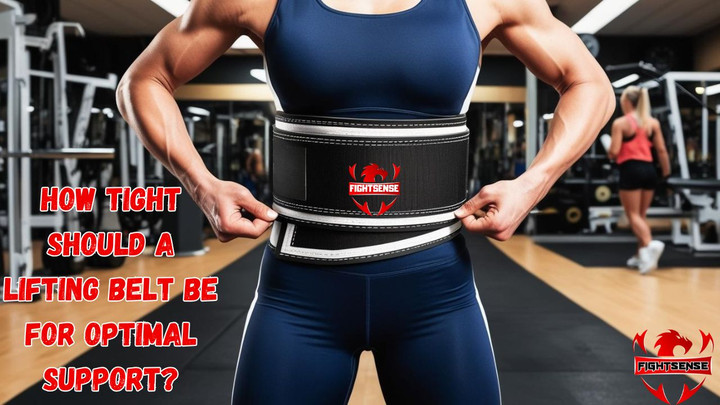
How Tight Should a Lifting Belt Be for Optimal Support?
25th Mar 2025
How tight should a lifting belt be? Finding the right tension is key for both performance and safety. A belt that’s too loose won’t provide sufficient core support, while one that’s overly tight can restrict breathing. Depending on your body type, lifting style, and goals, this article explains the ideal tightness for a weightlifting belt to maximize stability, enhance lifts, and reduce the risk of injury.
Key Highlights:
-
A lifting belt should be tight yet still allow for simple breathing.
-
Your body type and the kind of lift determine the fit.
-
Belts for weightlifting help to strengthen the core and lower injury risk.
-
Lever belts with adjustable tension.
-
Your belt should help your core without limiting motion.
How a Lifting Belt Enhances Strength and Safety:
A lifting belt is a key tool for weightlifters and strength athletes, designed to support your core and protect your spine during heavy lifts. By increasing intra-abdominal pressure, the belt acts like an internal brace, stabilizing your torso and helping maintain proper posture. This support allows you to lift heavier weights more safely while reducing the risk of injury, especially to the lower back.
In addition to spinal protection, a belt encourages better core engagement, reminding you to tighten your abs and maintain a neutral spine. It is particularly beneficial for compound movements like squats, deadlifts, and overhead presses, where proper alignment is crucial.
However, it’s important to note that a lifting belt is not a substitute for core strength. Overreliance can lead to weaker natural core muscles over time. For optimal results, use a belt in combination with a strong training program that includes core strengthening exercises.
Tips for Using a Lifting Belt Effectively:
-
Position the belt around your lower waist, just above the hips.
-
Tighten it enough to feel pressure but not so tight that it restricts breathing.
-
Use it primarily for maximal or near-maximal lifts, not light or moderate weights.
-
Focus on breathing into your core while bracing against the belt for maximum support.
How Tight Should a Weightlifting Belt Be?
Your belt should be just snug enough to support your core without being so tight that breathing deeply becomes difficult. Though you should be able to inhale and generate intra-abdominal pressure, you should feel strong support around your waist.
Should you find difficulty breathing, the belt is probably too tight.While casual lifters may want a somewhat looser fit for comfort and support powerlifters could need a tighter fit for maximum stability during max lifts.
How Tight Should a Lifting Belt Be for Different Lifts?
Change the tension of your belt in line with the lift you are performing:
-
Squats: Tight enough to support your lower back, squats let you have a complete range of motion.
-
Deadlifts: Extremely tight to maximize lower back support and avoid damage.
-
Overhead Presses: Snug enough to support your core but not so tight that it restricts your shoulder movement is an overhead press.
How to Properly Fit a Lifting Belt for Women:
Finding the right fit for a lifting belt is essential for both safety and performance, especially for women whose waist-to-hip ratio may differ from men. A well-fitted belt provides core stability, supports the lower back, and enhances lifting performance without causing discomfort.
Key Guidelines for Proper Fit:
1. Positioning: Place the belt around your natural waist, just above your hips. It should cover the lower back and abdominal area without digging into your ribs or hips.
2. Tightness: The belt should feel snug and supportive but not so tight that you can’t breathe deeply or brace your core. You should be able to perform a proper diaphragmatic breath while wearing it.
3. Adjustable Fit: Women may find that lever or single-prong belts allow more precise adjustment, accommodating curves around the waist and hips better than double-prong belts.
Shop Now !
FAQs:
1. How tight should a lifting belt be for squats?
Snug enough to support your lower back while still allowing full breathing and movement.
2. How snug should a belt be for deadlifts?
Tight to stabilize the spine, but not so tight that it causes pain.
3. Can a belt be too tight?
Yes—if it restricts breathing or causes discomfort, it’s too tight.
4. How tight for overhead presses?
Moderate tightness to support the core without limiting shoulder mobility.
5. Should I adjust my belt for heavier weights?
Yes, gradually tighten as the load increases while staying comfortable.
Conclusion:
Your body type, the lifts you're doing, and your own comfort level determine the ideal tightness for a lifting belt. A well-fitting belt lets you lift safely and powerfully without limiting breathing or mobility. Remember to change your belt for best support during more demanding lifts as you go. First always be comfort and good form to avoid damage.
Disclaimer
This blog provides broad direction on lifting belt usage. Before beginning a new training program or first utilizing a lifting belt, always see a fitness professional or doctor.