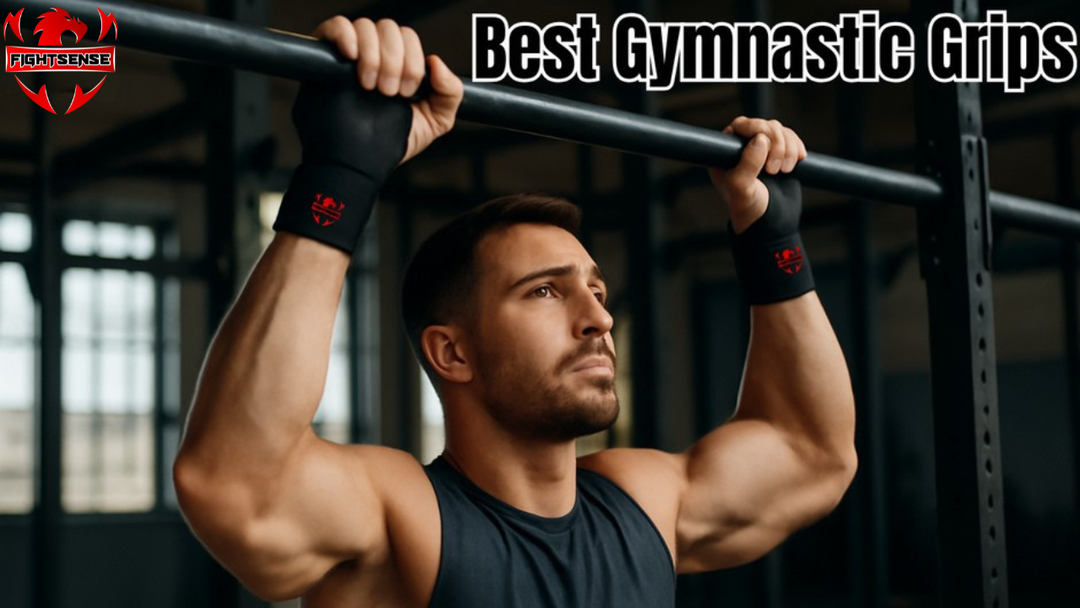
Top Gymnastics grips Worth Considering in 2026
Gymnastic grips are a must-have for high-level training and uneven bars, where safety, strength, and accuracy are all equally important. When choosing the correct grips in 2026, athletes are more interested than ever on performance, comfort, and avoiding injuries.
The appropriate gymnastics grips can help you handle the bar better, hurt your hands less, and feel more confident while you do your routines. There are so many choices that the ideal one for you will depend on your skill level, the material, and the design.
Keynotes:
- Dowel grips include a small rod that improves bar grip security
- Non-dowel grips provide more flexibility and natural hand movement
- Dowel grips are mainly used for advanced-level routines
- Non-dowel grips are ideal for beginners and basic training
- The right choice depends on skill level, comfort, and training intensity
What Are Gymnastic Grips?
Athletes wear gymnastics grips on their hands to protect them when they do bar workouts. They are made to make your grip stronger while protecting your hands from tearing and friction.
They are mainly utilized on rings, high bars, and uneven bars. There are numerous forms of modern gymnastics hand grips at different levels of training and competition.
Why Gymnastics Grips Matter in 2026?
Grips are not only optional in modern gymnastics training; they are necessary.
Some of the main benefits are:
- Keeping your hands from getting blisters and rips
- Making it easier to hold onto bars
- Improving performance and control
- Keeping wrists safe during moves with a lot of impact
That's why a lot of athletes buy the best gymnastics grips that are made to last and be comfortable.
Types of Gymnastics Grips:
1. Grips for dowels
- There is a little dowel (rod) in these grips that helps them lock onto the bar.
- Best for gymnasts who are already good
- Support for a strong grasp
- Used a lot in competitions
2. Grips Without Dowels
- These grips are easier to use and more flexible.
- Great for people who are just starting off
- Easier to manage
- Not as stiff as dowel grips
3. Grips for training versus grips for competition
- Training grips: more comfortable
- Competition grips: stronger and more focused on performance
Knowing these kinds of grips can help you pick the proper ones for uneven bars.
How to Choose the Best Grips?
Things to think about when buying grips:
- Material: Leather grips endure longer and give good support.
- Fit: Getting the right size is very important for safety.
- Wrist support: Strong straps ease strain
- Level of skill: Beginners need softer grips, while advanced athletes need harder ones.
- Comfort: Training sessions that last a long time need a design that lets air flow through it.
A good gymnastics grips buying guide always starts with choosing the right size and substance.
Top Features to Look For:
In 2026, the finest grips will have these things in common:
- Very strong
- Strong control over the bar
- Keeping your wrists safe
- Padding that feels good
- Resistant to sweat
For daily exercise, athletes like grips that are both strong and comfortable.
Which Are the Best Bar protection grips for gymnastics?
There are a few gymnastic grips that are better than the others when it comes to performance, comfort, and durability. The best choices give you good control over the bar while also protecting your hands and supporting your wrists while training.
Fightsense is a name that is becoming more and more popular in the fitness gear industry. They make robust equipment that is made with athletes in mind. Their gymnastics grips are comfortable and strong, so they work for both beginners and advanced users.
Fightsense is a favorite among many athletes since it is made of high-quality materials and supports the wrist during tough bar workouts.
Gymnastics Grips for Beginners vs Professionals:
Beginners:
- Soft, flexible grips
- Easy break-in period
- Lightweight design
Professionals:
- Strong dowel grips
- Maximum bar control
- High durability for competition use
Beginners often transition to advanced grips as their skill improves.
How to Maintain Gymnastics Grips?
Taking care of your grip will make it last longer:
- Let it air dry after exercising.
- Stay away from too much wetness
- Keep in a dry area
- When they get worn out or torn, replace them.
- Grips that are well cared for work better and last longer.
Common Mistakes to Avoid:
- Buying incorrect size
- Choosing advanced grips too early
- Ignoring wrist comfort
- Not breaking in grips properly
A proper gymnastics grips buying guide helps avoid these mistakes.
Final thoughts:
Gymnastic grips are very important for safety and performance. Athletes will have more choices than ever in 2026, from grips that are easy for beginners to use to grips that are intended for advanced competition.
Fightsense and other brands like it are become more popular since they offer solid and long-lasting solutions. But the best pick for you will always depend on your level, comfort, and training demands.
Notice
This blog is only for information. Product information and suggestions may be different, so carefully read the specs before buying or using gymnastic grips.
FAQS:
1. How should grips for gymnastics fit?
They should fit snugly around the wrist and fingers without slipping or cutting off blood flow.
What is the difference between dowel and non-dowel gymnastics grips?
Dowel grips provide you better control over the bar for more advanced skills, while dowel-less grips are softer and excellent for novices.
3. How long do grips for gymnastics last?
The average lifespan of grips is 3 to 6 months, depending on how often and how hard you practice.
4. Are advanced gymnastics grips safe for beginners to use?
Yes, however they could feel stiff and need more time to break in than grips that are good for beginners.
5. How do you get gymnastic grips ready to use?
Use them little by little in short periods, and bend them to make the material softer on its own.
6. What kind of material is ideal for grips in gymnastics?
Leather is the most frequent material since it lasts longer and has a strong grip on the bar. Synthetic choices are more flexible.