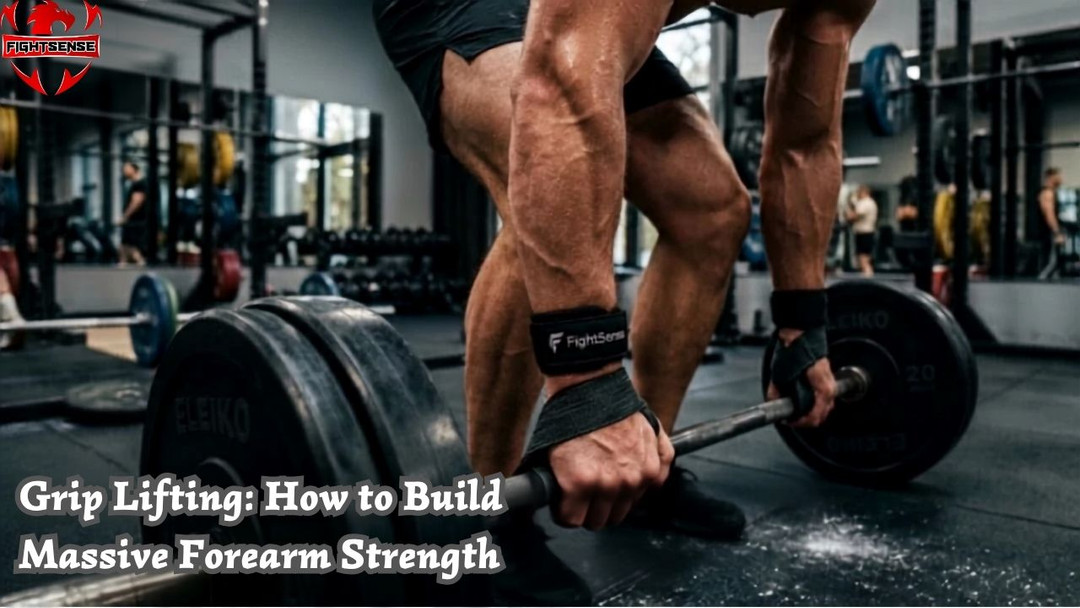
Grip Lifting: How to Build Massive Forearm Strength
Have you ever been mid-set on a heavy deadlift, feeling like your back and legs have plenty of power left, but the barbell starts slipping out of your hands? You are not alone. This frustration comes down to one critical bottleneck: your grip strength.
That is where grip lifting comes into play. By intentionally training your hands, wrists, and forearms to handle massive loads, you bridge the gap between your lower body strength and your ability to hold onto the bar. In this comprehensive guide, you will learn the mechanics of grip strength, actionable exercises, common pitfalls, and how specialized gear can help you break through plateaus.
What Is Grip Lifting?
Grip lifting is a specific form of training to develop the muscles, tendons, and connective tissues in your fingers, hands, and forearms to enhance your capacity to grasp, pinch, or crush large things.
General weightlifting increases overall muscle, but grip-focused lifting makes sure your hands aren’t the weak link in compound moves like deadlifts, barbell rows, and heavy shrugs.
Why Your Grip Fails Before Your Muscles Do
Your back, hamstrings, and glutes are huge muscle groups that can move hundreds of pounds. By comparison, the muscles that move your fingers are much smaller.
When you’re doing heavy pulling workouts:
- Central Nervous System (CNS) Fatigue: Your brain feels like your grip is ready to let go, and it sends signals to reduce muscle activity in the rest of your body so you don’t drop the weight.
Smooth Barbell Knurling: Old gym barbells have less friction; your hand muscles work twice as hard.- Forearm Pump & Lactic Acid: The little muscles in the forearm quickly build up lactic acid, resulting in an abrupt loss of grip.
Top Exercises to Build Raw Grip Strength
Adding specific grip exercises to your program might produce fast benefits. The following are the most effective exercises:
1. Farmer’s Walk
Goal: Support Grip and Core Stability
How to do it: Pick up two heavy dumbbells or kettlebells, draw your shoulders back, and walk for distance or time (e.g., 40-60 seconds).
2. Plate Pinches
Target: Thumb & pinch grip strength
How to accomplish it: Take two weight plates with smooth sides and face the smooth sides outward. Pinch together using your fingers and thumb, and hold for 30 seconds.
3. Thick Bar/Axle Deadlifts
Goal: Forearm activation & Crush Grip
How to: Use a fat bar, or add thick grips to a conventional barbell. Your hand muscles are working much harder with the larger diameter.
How Lifting Gear Protects and Supports Your Grip
While building raw hand strength is essential, training your grip to match a 400 lb deadlift takes time. If you wait for your grip to catch up naturally, your back and leg development will lag. This is where supportive weightlifting accessories become essential.
Key Takeaway: Supportive gear allows you to train target muscle groups (like your lats and hamstrings) to total exhaustion without being limited by hand fatigue.
Using Straps vs. Hooks for Heavy Lifts
- Weightlifting Straps: Canvas or leather straps wrap around the bar to lock your hand in place. Using high-quality straps—like FightSense Weightlifting Straps—provides a secure, non-slip hold that stabilizes your wrists and transfers heavy loads away from finger joints during max-effort pulls.
- Weightlifting Hooks: Metal hooks attached to padded wrist cuffs eliminate the need to wrap the bar altogether. FightSense Weightlifting Hooks are designed for lifters dealing with severe grip fatigue or finger injuries, allowing you to pull heavy weight directly through your wrists.
Pros & Cons of Using Grip Accessories
Pros:
- Prevents premature failure of the set on heavy pulls.
- Builds maximum hypertrophy in your back and hamstrings.
- Helps to reduce wear and strain on hand calluses.
Cons:
- Too much equipment on warm-up sets can inhibit raw grip growth.
- Requires correct technique to prevent leaning too much on wrist support.
Step-by-Step Plan to Integrate Grip Work
Follow this step-by-step structure to build grip strength without overtraining your forearms:
1. Train Raw Grip on Warm-Up Sets: Do not use gear early in your workout.
Perform all your warm-up sets and lighter working sets for deadlifts and rows using your raw double-overhand grip.
2. Strap Up for Top Heavy Sets: Protect your target muscles from limiting out.
When the weight gets heavy enough that your hands start slipping, strap in using supportive gear like FightSense straps to complete your main working sets safely.
3. Add Dedicated Finisher Exercises: End-of-workout protocol.
At the end of your pulling workout, perform 2-3 sets of Farmer's Walks or Plate Pinches to exhaustion.
Common Grip Training Mistakes to Avoid
- Using straps too early. When you wrap the bar on 50% max lifts, your natural grip does not adjust. Save equipment for your heavy sets.
- Ignoring the Thumb: Pinch grip strength relies mainly on the thumb. Your grasp balance will be incomplete if you solely train crushing actions.
- Don’t ignore your wrist extensors. Focusing only on finger flexors might lead to elbow problems such as golfer’s elbow. Reverse wrist curls or band expansions to offset flexor work.
Expert Tips for Faster Strength Gains
- Use Chalk Strategically: Gym chalk absorbs sweat and dramatically increases friction, making your natural grip more effective before needing straps.
- Switch to Hook Grip for Oly Lifts: Wedging your thumb between the bar and your index/middle finger locks the bar mechanically.
- Rest Your Forearms: Forearm flexors are small muscles. Avoid training heavy grip work two days in a row to allow tendon recovery.
FAQs:
Grip strength vs forearm strength. What’s the difference?
Grip strength is the force generated by the hand and fingers. Forearm strength is the force generated by the muscles that flex, stretch, and rotate the wrist and elbow joints.
Does grip lifting increase forearm size?
“Yes. The flexor digitorum and brachioradialis muscles comprise the bulk of forearm mass. The training crush and support grip immediately exercises these muscles.
Do I Need Weightlifting Straps for Every Back Exercise?
No. They are only to be used on the heaviest sets where grip is a limiting factor. You should be doing warmups and lighter sets without help first to build up hand strength naturally.
How frequently should you train grip?
At the end of your usual workout, you can do specific grip exercises 2 to 3 times a week.
Can the use of grip hooks inhibit the development of natural grip strength?
Grip hooks decrease the direct use of finger flexors in lifting. Using them on top sets and introducing unsupported grip finishers later in the session promotes natural grip development.
What is the ideal grip for big deadlifts?
The double overhand grip is great for strengthening basic strength. As the weights grow bigger, lifters usually go to a mixed grip, hook grip, or heavy-duty lifting straps.
Why Do Hands Ache After Grip Training?
Some muscles may feel sore, but this is normal. Severe pain in palm joints or inner elbow, however, may suggest tendon strain from overtraining, necessitating reduced volume and rest.
Can hand grippers help you hold a deadlift longer?
Hand grippers develop crush grip, which gives little support, whereas static holds (support grip) like Farmer’s Walks or barbell hangs have a far greater direct transfer to deadlifts.
Conclusion:
One of the quickest ways to open up new personal bests in the gym is by increasing your grip strength. Learn various kinds of grip, include specific exercises, and employ helpful aids like FightSense weightlifting straps and hooks to help you with your hardest sets so that your hands will never limit your body again. Combine raw strength training with smart equipment use and watch your lifts explode.
Disclaimer:
This site offers professional content only; professional or medical advice shouldn't be taken from it. See a fitness professional always before beginning any new exercise program or using any new equipment.