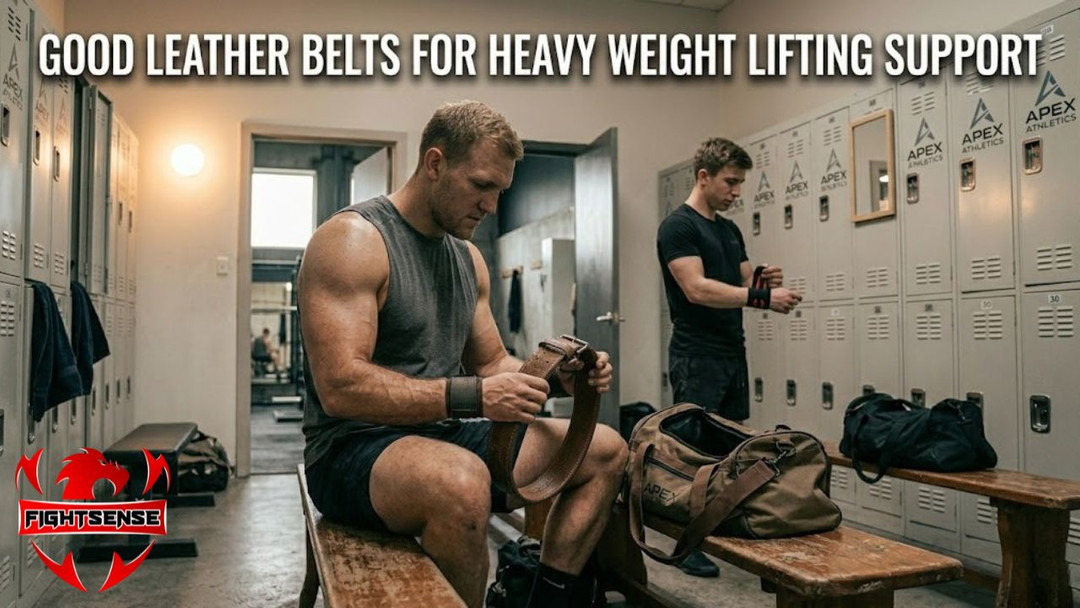
Good Leather Belts for Heavy Weight Lifting Support
Good Leather Belts are essential if you’ve ever stepped into a gym and tried lifting something truly heavy—whether it’s squats, deadlifts, or overhead presses—you already know something important:
Strength training is not just about muscle power. It’s about control, stability, and smart support.
That’s exactly where Leather Belts become a game changer for lifters who want to train heavy without compromising safety.
Most beginners ignore belts. They think belts are only for professional bodybuilders or powerlifters. But the reality is simple—once you start lifting serious weight, your body needs structured support to keep progressing safely.
Let’s break everything down in a real, simple, gym-based way so you understand exactly why lifters rely on them—and how to choose the right one.
Key Takeaways:
- Stability unlocks strength — controlled bracing improves heavy lift performance
- Leather = lasting support — rigid structure for consistent training power
- Smart usage matters — belt only for heavy sets, not every exercise
- Form over everything — equipment enhances, not replaces technique
- Progress safely — proper support reduces risk and builds confidence
What is a Leather Belt?
A leather belt is a simple, yet strong gym equipment that is designed to support your core and lower back during heavy weight training. It assists in stabilizing your body and improving your control over lifting with strength training like squats, deadlifts, and presses.
Good Leather Belts are popular with serious lifters because they give sturdy support, better posture and extra confidence when lifting heavy loads in the gym.
What Makes Good Leather Belts Actually “Good”?
Not every gym belt is worthy of the term. A good lifting belt needs to be built for function, not merely for looks.
By Good Leather Belts we imply belts that give:
- Thick excellent quality leather, does not bend easily
- Robust buckle or lever system for closure security
- Even width for a continuous spinal support
- Firm compression with a comfortable fit
- Durability that lasts with heavy training
A good belt should be tight but controlled. Supportive, but not painful.
That balance is the distinction between novice gym gear and pro equipment.
Why Lifting Support Actually Matters?
The importance of removing support
When you are lifting heavy weights, you put a lot of pressure on your spine. Meanwhile, your core muscles are working hard to keep your body stable.
If not properly supported this can lead to:
- Strain of lower back
- Bad position in hoisting
- Poor performance under load
- Increased chance of injury
That’s where Good Leather Belts make a difference.
They won’t perform the lifting for you, but they will assist keep your core tight, steady and braced correctly so your body can take bigger loads safely.
Look at it this way, a belt is not a shortcut. It’s a support system that assists your body to function better under pressure.
Why Leather Is Still the Best Material?
With all the latest materials available today, leather is still the number one choice for rigorous training.
Why?
Leather, because:
- Doesn’t stretch easily under pressure
- Keeps shape throughout time
- Provides steady support with every lift
- With good care will last for years
Most athletes desire predictable and reliable lifting big, so they options for Good Leather Belts.
Leather has a solid construction that doesn't collapse when the weight gets significant, unlike fragile nylon belts.
When Should You Start Using a Belt?
This is where most lifters get lost.
You don't need a belt for every exercise or every set. Use it wisely instead.
Leather Belts are for:
- Squats Heavy
- Deadlift.
- Overhead presses
- Maximum effort training
Don’t use them for:
- Warm-up sets
- Light isolation drills
- Cardio exercises
It’s not about dependence, it’s about knowing how to be smart with your assistance on high-intensity lifts.
The Basic Science of Weightlifting Belts:
Here’s something that many lifters don’t comprehend fully:
A belt builds up intra-abdominal pressure.
Simply said, it helps your core build a natural “brace” from the inside.
This results in:
- Improved spinal stability
- Better force transmission in lifts
- Less strain on the low back
- Increased total lifting power
That's why experienced athletes never skip belts in heavy sets.
And that’s exactly why Leather Belts are favored—they provide a solid external resistance that helps your core engage better under pressure.
Why Fightsense is Important in Lifting Gear?
Not all belts are the same and that is where brand quality matters.
At Fightsense we are dedicated to developing lifting equipment for the actual strength athlete, not just the average gym goer.
Their belts are designed to be durable, supportive and durable throughout heavy training circumstances.
What makes Fightsense different is their attention to detail. Sturdy stitching, working buckles and high quality leather that truly stands up to the heat of battle.
Real Lifters’ Experience:
Most athletes notice immediate improvements after switching to a proper belt:
- “My squat feels much more stable now.”
- “Deadlifts feel safer and more controlled.”
- “I can push heavier weights with confidence.”
This is not just mental—it’s biomechanics in action.
And once you experience it, Good Leather Belts stop feeling optional and become part of your core training setup.
Maintenance Tips (Important but Ignored)
To make your belt last longer:
- Keep it dry after training
- Avoid folding it tightly
- Clean it occasionally
- Store it flat or hung properly
Even high-quality belts from Fightsense last longer when properly maintained.
Final Thoughts:
Strength training is about progress—but progress should always be safe and controlled.
Whether you are a beginner or an advanced lifter, Good Leather Belts can significantly improve your stability, protect your lower back, and help you lift with more confidence.
The key is using them correctly—not relying on them blindly.
And when you invest in quality equipment from Fightsense, you’re not just buying gym gear—you’re investing in performance, safety, and long-term strength development.
FAQs:
1. When should I start using a lifting belt?
Use it when lifting near your heavy working sets, especially squats and deadlifts.
2. Do leather belts actually improve strength?
They don’t add strength, but they improve stability and lifting efficiency.
3. How tight should a lifting belt be?
Tight enough to brace your core, but still allow controlled breathing.
4. Can beginners use leather belts?
Yes, but only for heavy sets—not for every workout.
5. What makes leather belts better than nylon?
Leather offers firmer support and maintains shape under heavy loads.