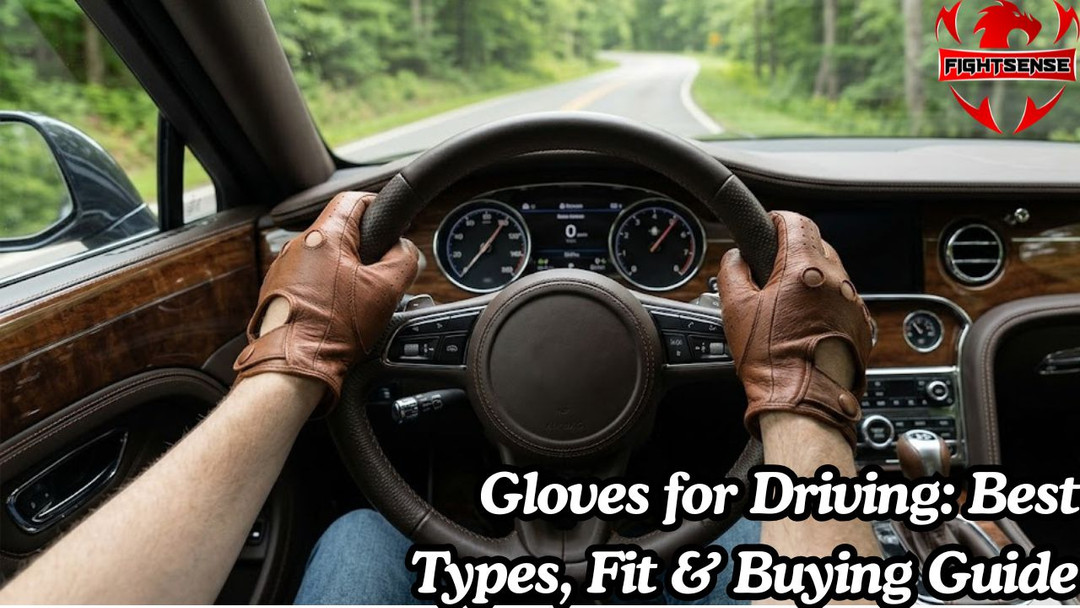
Gloves for Driving: Best Types, Fit & Buying Guide
Gripping a freezing steering wheel on a cold winter morning or fighting for control over a slick, sun-baked wheel in the summer heat can ruin an otherwise enjoyable drive. Maintaining steady vehicle control requires a firm, confident grip regardless of the season. Wearing dedicated gloves for driving instantly solves these comfort and safety challenges by creating a high-traction connection between your palms and the steering wheel.
Beyond enhancing road feel and precision, the right pair absorbs road vibrations to prevent hand fatigue on long trips while preserving your wheel's leather trim from sweat and natural skin oils.
Understanding Driving Gloves & Their Benefits
Gripping a freezing steering wheel on a January morning or struggling with a slick wheel on a hot summer afternoon can quickly spoil your drive. Using high-quality gloves for driving solves both problems while dramatically improving control over your vehicle.
When you wear dedicated driving gloves, you create a high-friction surface between your palms and the wheel. This extra grip reduces the effort needed to hold the wheel, which lowers muscle tension in your hands, wrists, and shoulders during long highway trips.
Furthermore, glove leather absorbs natural skin oils and sweat that otherwise degrade wood, suede, or leather steering wheels over time. Whether you race on track days, commute daily, or cruise in a vintage sports car, the right pair elevates comfort and safety simultaneously.
Key Types of Gloves for Driving
Different driving scenarios require distinct glove styles. Choosing the wrong type can impair touch perception or leave your hands cold.
Classic Leather Driving Gloves
Classic driving gloves feature keyhole backs, knuckle cutouts, and small ventilation perforations. These design elements keep hands cool while maximizing flexibility across the knuckles.
Fingerless Driving Gloves
Fingerless designs offer complete fingertip contact for infotainment touchscreens and tactile buttons while maintaining palm grip. They excel in mild or warm weather conditions.
Thermal Winter Driving Gloves
Winter driving gloves incorporate thin insulating layers like Thinsulate or fleece liners. They keep hands warm during freezing starts without adding excessive bulk that hinders gear shifting.
Track Performance & Racing Gloves
Fire-resistant fabrics (such as Nomex) with high-friction silicone palm patches dominate performance motorsport. These prioritize maximum safety compliance and extreme wheel bite over aesthetic luxury.
Leather vs. Synthetic Materials
Selecting the right material determines longevity, breathability, and feel. Here is how the most common materials stack up:
- Peccary Leather: Premium wild boar hide known for softness, flexibility, and unique grain texturing. It molds perfectly to hand over time.
- Lambskin / Nappa: Featherweight and smooth. Ideal for luxury fashion gloves that require instant out-of-the-box softness.
- Deerskin: Thicker and highly durable with natural stretch and moisture resistance. Excellent for winter or heavy-duty daily use.
- Synthetic & Athletic Fabrics: Technical nylon, fleece, and synthetic suedes offer easy washing and weatherproofing. High-grip ergonomics are often adapted from general athletic gear design. For instance, Fightsense, a fitness brand known for weightlifting gear, boxing gloves, MMA gloves, cycling, gym, and weightlifting gloves, utilizes similar palm traction tech to maintain tactile feedback across demanding hand-use applications.
Get Yours Now!
Comparison: Full-Finger vs. Fingerless Driving Gloves
Choosing between full coverage and open fingertips depends on climate, screen interaction, and aesthetic preference.
|
Feature / Attribute |
Full-Finger Driving Gloves |
Fingerless Driving Gloves |
|
Hand & Skin Protection |
Complete palm and finger coverage |
Palm protection with open fingertips |
|
Touchscreen Usability |
Requires conductive fingertip material |
100% direct screen and button touch |
|
Ventilation & Airflow |
Dependent on knuckle cutouts/perforations |
Maximum thermal relief in hot weather |
|
Climate Suitability |
Spring, Autumn, and Winter driving |
Warm Summer and mild Spring drives |
|
Steering Wheel Friction |
Full contact surface across all fingers |
Palm-focused friction with natural finger touch |
Step-by-Step: How to Choose & Size Your Gloves
Finding the right glove fit is critical. Loose gloves slip against the skin, while tight gloves restrict circulation and cause hand cramps.
- Measure the Dominant Hand: Wrap a soft fabric tape measure around the widest part of the palm (just below the knuckles, excluding the thumb).
- Note the Circumference in Inches: An 8.5-inch measurement usually translates to a Men's Size Medium (Size 8.5).
- Determine the Driving Climate: Choose unlined lambskin for warm climates or fleece-lined deerskin for cold winters.
- Check Touchscreen Compatibility: Ensure the thumb and index finger feature conductive stitching if digital dashboards or GPS screens are used frequently.
- Test the Fit on a Steering Wheel: Put on the gloves and grip an object. The leather should feel snug across the knuckles without pulling painfully tight at the fingertips.
Pros and Cons of Driving Gloves
Pros
- Enhanced Grip: Prevents hands from slipping on smooth wheel surfaces.
- Fatigue Reduction: Less grip force is needed to maintain control.
- Steering Wheel Protection: Keeps sweat, dirt, and hand oils off high-end trims.
- Temperature Control: Protects skin from searing hot or icy cold steering wheels.
Cons
- Break-in Period: Premium full-grain leather requires several drives to shape naturally.
- Touchscreen Limitations: Traditional non-conductive leather gloves cannot operate touchscreens unless specifically modified.
Expert Care & Maintenance Tips
Extend the lifespan of leather driving accessories with proper upkeep:
- Air Dry Naturally: Never place wet leather gloves on direct heaters or radiator vents. Excess heat shrinks and cracks leather.
- Condition Annually: Apply a small amount of neutral leather cream once a year to keep the hide supple.
- Store Flat: Avoid crumpling gloves into small door pockets. Lay them flat in the glove compartment.
Common Mistakes to Avoid
- Buying Oversized Gloves: Leather stretches over time. Buying a size up leads to baggy, unsafe fingers that slip on controls.
- Choosing Heavy Work Gloves: Thick ski or work gloves lack the dexterity required for smooth gear shifts and turn signal operation.
- Washing Fine Leather in Machines: Machine washing strips essential oils from genuine leather, rendering it stiff and brittle.
FAQs
What primary purpose do gloves for driving serve?
Gloves for driving enhance steering wheel friction, minimize hand fatigue during long travel, protect wheel leather from skin oils, and buffer against extreme temperatures.
How tight should new driving gloves feel initially?
New driving gloves should fit snugly like a second skin without restricting blood flow or pulling forcefully at fingertip seams, as natural hides stretch over time.
Which leather type delivers the highest durability?
Deerskin and peccary offer superior durability, tear resistance, and natural elasticity, whereas lambskin prioritizes lightweight softness.
Are driving gloves practical for daily commuting?
Daily commuters benefit from improved wheel control, reduced palm perspiration transfer to the steering wheel, and relief from freezing steering wheels.
Why do driving gloves feature knuckle holes and perforations?
Knuckle cutouts eliminate leather bunching when bending fingers, while micro-perforations release hand humidity to maintain dry palm friction.
Do unlined leather gloves provide sufficient winter warmth?
Unlined leather blocks wind chill effectively but requires thermal linings like cashmere or Thinsulate for sub-zero winter comfort.
How can leather cracking be prevented over time?
Prevent leather drying by avoiding direct heat sources during drying and applying specialized leather conditioner once annually.
Conclusion
Investing in high-quality gloves for driving is one of the easiest ways to upgrade the driving experience. By choosing the correct size, material, and insulation level, drivers ensure maximum road control, long-lasting steering wheel protection, and refined comfort on every trip.
Disclaimer:
Always choose gloves that fit properly and suit your specific driving needs. While driving gloves enhance comfort and control, they are not a substitute for proper vehicle maintenance and safe driving practices.