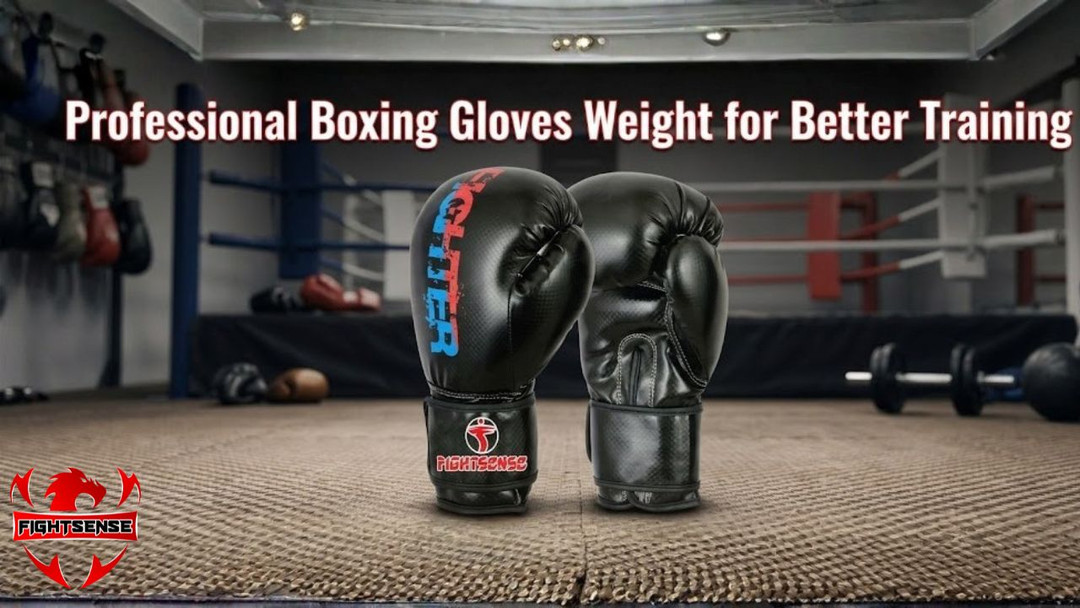
Professional Boxing Gloves Weight for Better Training
Professional Boxing Gloves Weight plays a major role in your speed, power, and hand protection. But do professional boxers use 8 oz, 10 oz, or heavier gloves for training and fights?
The answer depends on your weight class, training style, and boxing goals. In this guide, you'll learn what glove weights professionals use and how to choose the right one for better performance and safety.
Key Takeaways:
-
- The right glove weight directly shapes your speed, power, and safety in training and fights
- Heavier gloves are best for sparring, while lighter gloves are mainly used for competition and speed work
- Using the wrong glove weight can slow progress and increase risk of hand injuries
- Most serious boxers rotate different gloves based on training purpose, not just one pair
- Smart glove selection improves long-term performance, endurance, and technical development
What Is Professional Boxing Gloves Weight?
The term "professional boxing gloves weight" describes the entire weight of a boxing glove expressed in ounces (oz). It controls the amount of padding in the glove, which has a direct impact on your power, speed, comfort, and hand protection.
Selecting the appropriate glove weight can have a big impact on your performance whether you're sparring in the gym, training on the heavy bag, or getting ready for a fight. To choose the ideal alternative for your boxing ambitions, you must first understand how professional glove weights operate.
Why the Weight of Boxing Gloves Matters
Weight is expressed in ounces (oz) for boxing gloves. The total weight of the glove, including its materials and padding, is represented by the number.
A professional boxing gloves weight can affect:
- Speed of punching
- Safety of the hands
- stability of the wrists
- Durability
- Avoiding safety
- Qualification for competition
Because lighter gloves seem faster, many novice boxers believe that they are always preferable. The optimal option actually relies on the goal of your training session.
Which Weight Gloves Are Used by Professional Boxers?
During sanctioned fights, professional boxing organizations usually mandate that fighters use either 8 oz or 10 oz gloves.
In general:
- Eight-ounce gloves are used in lower weight divisions.
- Ten-ounce gloves are used in higher weight divisions.
Punches can land with more force while still adhering to official safety regulations because these gloves have less cushioning than training gloves.
Because of this, the gloves that most people use for regular gym training feel considerably different from those used by professional fighters.
How Body Weight Affects Glove Selection
Your body weight plays a major role in determining the right gloves.
A general guideline is:
|
Boxer Weight |
Recommended Training Gloves |
|
Under 120 lbs (54 kg) |
12 oz |
|
120–150 lbs (54–68 kg) |
12–14 oz |
|
150–180 lbs (68–82 kg) |
14–16 oz |
|
Over 180 lbs (82 kg) |
16–18 oz |
These recommendations help maintain a balance between safety and performance.
However, training purposes should always be considered alongside body weight.
The Ideal Weight Of Boxing Gloves For Sparring Sessions
One thing becomes clear after witnessing innumerable sparring sessions over the years: safety should always come first.
Most instructors advise:
- For boxers of average size, 16-ounce gloves
- For larger athletes, 18-ounce gloves
Both you and your workout partner are protected by the extra padding.
In most respectable gyms, sparring with heavier gloves is considered typical practice, even if you compete with lighter gloves.
Real-World Perspective: How Fighters Wear Various Gloves
Successful fighters have consistently shown one trend over the years.
Seldom do they have only one pair of gloves.
Rather, they employ distinct gloves for distinct uses:
- Gloves for competition to prepare for a battle
- Gloves to spare for collaborative work
- Gloves for training in bag sessions
This method reduces needless equipment wear while increasing performance.
Companies like Fightsense understand this need and provide glove solutions made for a variety of training settings.
Indications That The Glove Weight Is Incorrect
Your glove weight may not be suitable if you're having any of the following problems:
- Hand Anguish: Inadequate cushioning may make impact stress worse.
- Soreness in the Wrist: Reduced wrist support could result from poor glove choices.
- Overexertion of the Arm: Overly hefty gloves might be a hindrance to training.
- Lower Punching Velocity: Gloves that are too heavy could interfere with technique and movement.
Choosing the appropriate for professional boxing gloves weight helps get rid of these typical issues.
How Professionals Train with Different Glove Weights
Professional fighters often rotate glove weights throughout their training camps.
A typical week may look like this:
|
Training Activity |
Glove Weight |
|
Speed Work |
10–12 oz |
|
Pad Sessions |
12–14 oz |
|
Heavy Bag |
14–16 oz |
|
Sparring |
16–18 oz |
This method develops speed, endurance, and technical precision simultaneously.
Many athletes using equipment from Fightsense follow a similar strategy because it allows them to adapt glove weight to each workout.
Features to Look for Beyond Weight
Weight is important, but it's not the only factor.
When buying gloves, consider:
- Wrist Support: Strong wrist support improves punching stability.
- Padding Quality: Good padding distributes impact effectively.
- Fit: A snug fit helps maintain control and comfort.
- Material Durability: High-quality materials increase glove lifespan. Several modern manufacturers, including Fightsense, focus heavily on balancing protection, comfort, and durability for serious athletes.
Common Mistakes When Buying Boxing Gloves
- Purchasing competition gloves rather than appropriate training gloves for regular use
- Disregarding advice from coaches who are aware of talent levels and training requirements
- Selecting gloves based only on cost rather than protection and quality
- Choosing glove weight without taking the training goal into account
- Using the same gloves for competitions, bag work, and sparring
Final Thoughts:
Selecting the appropriate for professional boxing gloves weight is crucial for your long-term boxing development, performance, and safety. While lighter gloves are utilized for competition and speed training, heavier gloves are ideal for sparring since they provide greater protection.
To put it briefly, using the professional boxing gloves weight improves training efficiency and lowers injury risk. Knowing glove weight has a significant impact on your entire performance in the ring, regardless of your level of experience.
Disclaimer:
This content is for general informational purposes only. Always consult a qualified boxing coach before making training or equipment decisions.
FAQs:
1: Can I use the same gloves for sparring and bag work?
No, it’s not recommended. Sparring gloves need more padding for safety, while bag gloves are designed for impact training and durability.
2: Why do professional fighters use lighter gloves in fights?
Because lighter gloves (8–10 oz) increase speed and power delivery, and they follow official competition regulations.
3: Is heavier always better for training?
Not always. Heavier gloves improve endurance and protection, but they can slow technique development if overused.
4: How often should I change my boxing gloves?
It depends on usage, but most fighters replace them every 6–12 months when padding and wrist support start breaking down.
5: Do expensive gloves improve performance?
Not directly. Good quality improves comfort, durability, and protection, but skill and technique matter more than price.