Flashlight Baton vs Tactical Flashlight
A flashlight baton gives you light and reach in one tool, so a dark car park, a late walk home or a power cut feels less uncertain. This guide compares it with a tactical flashlight on design, brightness, battery, legality and everyday use, so you can choose with confidence.
You will also find practical buying tips, safety habits and a simple checklist for night walks, late shifts and emergencies. This article is general information, not legal advice, so always check the rules where you live before you buy or carry any self-defense tool.
Key Notes
- Light and reach in one: a long-handled light lets you see farther and keep a little distance, while a compact tactical light is easier to slip into a pocket.
- Brightness is not everything: beam pattern, run time and a simple switch matter more on a dark street than a headline lumen number.
- Laws vary widely: some places limit baton-style tools, stun features and carry in public, so check local rules first.
- Weight and grip decide use: a tool that feels heavy or awkward will stay at home, however bright it is.
- Practice before you rely on it: learn the switch, the modes and how to hold it in daylight, before you need it at night.
Flashlight Baton vs Tactical Flashlight: Design, Brightness and Everyday Use
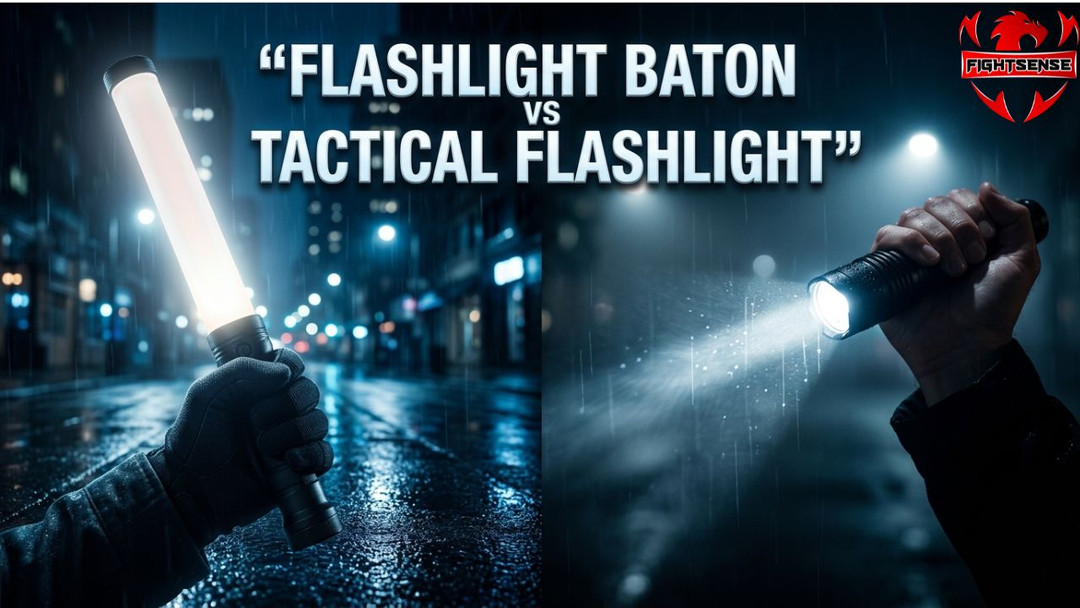
A flashlight baton is longer than a pocket light, with a handle you can grip with two hands and a head that throws a wide beam. That length helps you light a path, signal for help and keep a little distance, while a tactical light wins on pocket size and one-hand use.
Weight tells you a lot on a first hold. A long-handled light should feel balanced, not head-heavy, and the switch should fall under your thumb without a stretch. If you have to shuffle your grip to change modes, try a different model before you buy.
What a Flashlight Baton Does Best After Dark
After dark, a flashlight baton shines on uneven pavements, stairwells and car parks, where a wide, steady beam matters more than a narrow hotspot. Hold it low, sweep the ground ahead, and keep your other hand free for keys, a phone or a door.
If you want a longer tool for a household or a team, the 12-piece stun baton flashlight set keeps a light in the car, at the door and in a bag, so you are not searching for one in the dark.
Legal Awareness Before You Carry
The law treats a flashlight baton differently in different places, because some rules focus on batons, some on stun features and some on carrying any weapon-like tool in public. Check your state and city rules, and any rules for schools, workplaces and public transport, before you buy.
Rules can also change when you travel, so what is fine at home may not be fine in another state or country. A quick check before a trip takes a few minutes and can save a difficult conversation at a security checkpoint.
If you are weighing a light against a spray or a stun tool, read the pepper spray vs stun gun comparison to see how range, training and local rules differ.
Brightness, Battery and Grip: What to Check
Lumens, Beam and Run Time
Look for a light that offers a wide beam for paths and a lower mode for close work, with a rechargeable battery you can top up at home. The 6-piece rechargeable stun gun flashlight set is a practical way to keep a charged light in the car, at the door and in a bag.
Run time matters more than a peak lumen figure. A light that runs for two hours on a useful mode is better for a long walk than one that is very bright for ten minutes and then fades. Check the run time at the mode you will actually use, not just the brightest setting.
If you want something smaller for a pocket or a purse, the mini rechargeable flashlight stun gun set combines a bright LED with a stun feature in a compact, rechargeable body.
Everyday Carry, Night Walks and Emergencies
Night Walks and Late Shifts
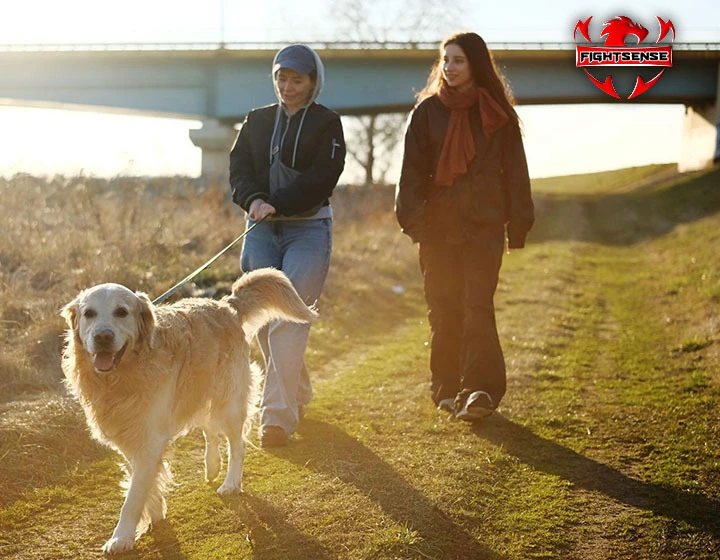
For a nightly dog walk or a late shift, a flashlight baton is easy to spot in a bag and simple to switch on with gloves, which is why many people keep one by the door rather than in a drawer.
In a power cut, the same light becomes a household tool. Keep it in a known place, use a low mode first to save battery, and check on family members before you go outside. A wide beam helps you move safely around the house and find candles, fuses or a phone charger.
Plan your route, tell someone your expected time, and keep your phone charged. The National Crime Prevention Council shares free, practical safety habits that work well alongside a good light.
If you are also considering a combined light and stun tool, the flashlight taser buying guide explains voltage, safety switches and honest trade-offs before you spend.
How to Choose the Right Light for You
A Simple Checklist Before You Buy
When you compare models, a flashlight baton should feel balanced in your hand, switch on without fumbling, and run long enough for a full walk home. If it is too heavy, too bright on its lowest mode, or hard to charge, it will not get used.
Try the light in your usual coat or bag before you decide. A model that fits your hand, your pocket and your nightly route is the one you will carry, and a carried light is the only one that helps.
For a closer look at combined lights, read the flashlight stun gun safety guide, which covers dual-purpose design, discreet carry and responsible use.
Some people pair a light with a spray for distance, and the 3-in-1 pepper spray guide shows how a spray, a light and a case can work together on a keychain.
Why Night Walkers, Late-Shift Workers and Dog Owners Choose FightSense for Everyday Safety Lights
FightSense stocks practical, tested self-defense lights and tools at fair prices, with clear descriptions and help if you are unsure which size fits your hand or your bag. Browse the range, compare a few models side by side, and pick the light you will actually carry every night.
Light Your Way Home Tonight
A long, bright light by the door means no more fumbling in a dark car park. Pick the stun baton that fits your hand and your nightly route, and carry it with confidence.
Shop the High-Voltage Stun Baton NowPlus, orders above $100 ship free at FightSense.
Conclusion
A long-handled light and a compact tactical light both have a place, and the right choice is the one that fits your hand, your route and your local rules. Brightness helps, but grip, battery and a habit of carrying it matter more on a real night out.
Check the rules where you live, practice with your light in daylight, and keep it charged and within reach. This guide is general information, not legal advice, and local rules can change, so confirm them before you buy or carry.
FAQs
Is a baton-style flashlight legal to carry in public?
It depends on where you live. Some places treat long-handled lights as ordinary torches, while others limit baton-style tools or carrying them in public. Check your state and city rules before you carry one.
How bright should a light be for night walks?
For pavements and car parks, 200 to 500 lumens with a wide beam is usually enough. A very high lumen count can dazzle you on white walls, so look for two or three modes and a low setting for close work.
Can I use a long-handled light in a power cut?
Yes. Keep it charged, store it in a known place, and use a low mode first to save battery. A wide beam helps you move safely around the house and check on family members.
What is the difference between a baton light and a tactical light?
A baton light is longer, with a two-hand grip and a wider beam, while a tactical light is compact, pocket-sized and made for one-hand use. The baton style suits open spaces, and the tactical style suits pockets and bags.
Are rechargeable lights better than battery lights?
Rechargeable lights save money over time and are easy to top up, while battery lights can be useful if you cannot charge on the move. Choose the option that fits how often you walk at night and whether you have a charging point at home.
How do I hold a long light safely?
Grip it firmly near the middle, keep your thumb on the switch, and point the beam at the ground ahead, not at people's eyes. Practice switching modes in daylight so you do not fumble at night.
Can I carry a light with a stun feature?
Stun features are regulated in many places, and some states and countries ban them outright. Check the rules for stun tools separately from the rules for lights, and never carry a stun feature where it is banned.
How should I store and maintain my light?
Store it in a dry place, keep the lens clean, charge it regularly, and check the switch and seals every few weeks. If the beam flickers or the battery drains fast, replace the battery or the light before your next night walk.