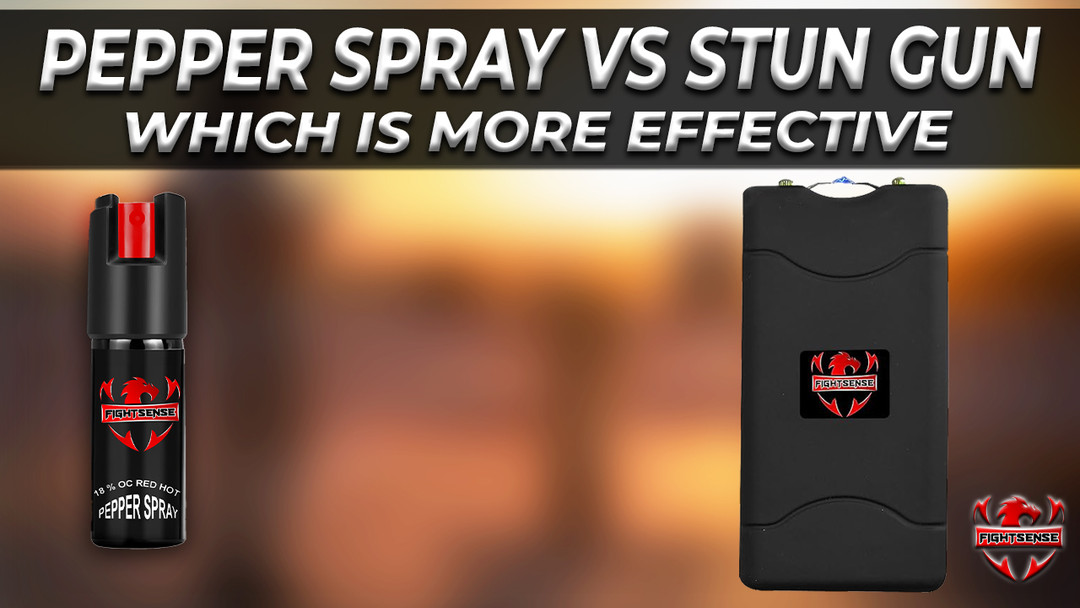
Pepper Spray vs Stun Gun: Which is More Effective?
Pepper Spray vs Stun Gun is a common comparison people make when thinking about personal security. When it comes to self‑defense, many wonder which tool is best. Both options are practical and effective in their own ways, but each comes with unique features, advantages, and limitations. In this comprehensive guide, we’ll break down the differences between pepper spray vs stun gun to help you choose the right product for your needs.
Key Notes:
-
Strike from a Distance: Pepper spray keeps attackers away, stun guns need close contact.
-
Simple vs Skilled: Easy-to-use pepper spray vs stun gun that needs practice.
-
Stay Safe: Spray from afar, stun gun up close.
-
Know the Rules: Always check local laws before carrying.
-
Carry with Ease: Lightweight pepper spray fits in your bag or pocket.
What Is Pepper Spray and How Does It Work?
Pepper spray is a potent self-defense tool made from oleoresin capsicum, a natural compound extracted from hot peppers. When sprayed at an attacker, it causes intense eye pain, temporary blindness, coughing, and skin irritation, effectively disabling them for a short period. These effects typically last 10 to 30 minutes, giving you crucial time to escape safely or call for help. Compact and easy to carry, pepper spray is a popular choice for personal safety and quick self-defense.
Pepper Spray: Benefits and Drawbacks
Benefits:
-
Long-range protection (6–10 feet).
-
Compact, lightweight, and easy to carry.
-
Non-lethal but highly effective.
-
Quick to use with minimal training.
-
Affordable and widely legal.
Drawbacks:
-
Wind can affect accuracy.
-
Effects are temporary.
-
Risk of minor accidental irritation.
Extra Insights and Practical Tips for Using Pepper Spray:
To get the most out of pepper spray, practice using a training spray to become familiar with aiming and deployment. Always carry it within easy reach, such as in a pocket or keychain, and check expiration dates regularly, as its potency can decrease over time. Remember, pepper spray is a tool for escape, not confrontation—your goal is to disable the attacker long enough to get to safety.
Stun Gun: A Close-Range Self-Defense Tool:
A stun gun is an electrical self-defense device that delivers a high-voltage, low-amperage shock to an attacker, disrupting their muscular and nervous systems. This causes intense pain, muscle spasms, confusion, and temporary paralysis, giving you a crucial opportunity to escape. Unlike pepper spray, a stun gun requires direct contact, making it a close‑range protection tool that works instantly upon touch.
Stun guns come in various designs such as compact pocket models, flashlight-style units, and tactical versions with stronger output. Many modern stun guns feature built-in flashlights, safety switches, anti-grab technology, and rechargeable batteries, adding convenience and extra control. While they demand confidence due to their close-contact nature, a stun gun can be highly effective when used properly, offering powerful defense without causing permanent harm.
Why a Stun Gun Can Be Effective:
-
Immediate impact: Delivers a powerful electrical shock that can instantly incapacitate an attacker.
-
Weather-proof performance: Unlike pepper spray, stun guns are not affected by wind or weather conditions.
-
Reusable device: As long as it’s charged, a stun gun can be used multiple times without replacement.
Things to Keep in Mind Before Using a Stun Gun:
-
Close-range requirement: You must be within a few feet of the attacker for it to work effectively.
-
Legal limitations: Some areas have strict regulations on carrying or using stun guns, so always check local laws.
-
Risk of injury: Although generally safe, improper use or use on individuals with health issues (like heart problems) can lead to potential injury.
Pepper Spray vs Stun Gun: Quick Comparison
| Feature | Pepper Spray | Stun Gun |
|---|---|---|
| Range | 6–10 feet | Direct contact |
| Impact | Quick, temporary pain | Instant paralysis |
| Ease of Use | Very easy | Needs close contact & confidence |
| Weather | Can be affected by wind | Works in any condition |
| Portability | Lightweight, pocket-friendly | Compact, slightly bulkier |
| Reuse | Limited (single-use) | Reusable if charged |
| Legal | Generally allowed (check laws) | More regulated |
How to Use Pepper Spray and Stun Guns Safely:
-
Learn the proper use and handling of the self-defense tool you choose.
-
Practice deploying your pepper spray or stun gun regularly so you can react quickly in an emergency.
-
Consider taking a self-defense class to improve your confidence and technique.
-
Always keep your device easily accessible—in your pocket, purse, or attached to your keychain.
-
Check local laws and regulations, as some areas have restrictions on carrying stun guns or pepper spray.
-
Remember, these tools are meant for escape and personal safety, not for engaging in confrontation.
FAQs:
1. What’s the key difference?
Pepper spray works from a distance causing temporary pain and irritation, while a stun gun needs close contact and delivers an electric shock.
2. Which is easier for beginners?
Pepper spray—it’s simple, lightweight, and safe to use from afar.
3. Are they safe?
Yes, both are non-lethal. Stun guns should be used cautiously on people with health conditions.
4. Are there legal restrictions?
Yes, laws vary by region. Always check local regulations before carrying either.
5. How should I carry them?
Pepper spray: pocket, purse, or keychain. Stun gun: pocket or bag, within easy reach.
Conclusion:
Choosing between pepper spray and a stun gun depends on your needs. Pepper spray is perfect for non-lethal, long-range defense, while a stun gun works best for immediate, close-range protection. Both offer effective safety, so pick the one that suits your lifestyle and comfort to feel confident and secure in daily life.
Disclaimer:
This information is for educational purposes only. Always follow local laws and use self-defense tools responsibly.