
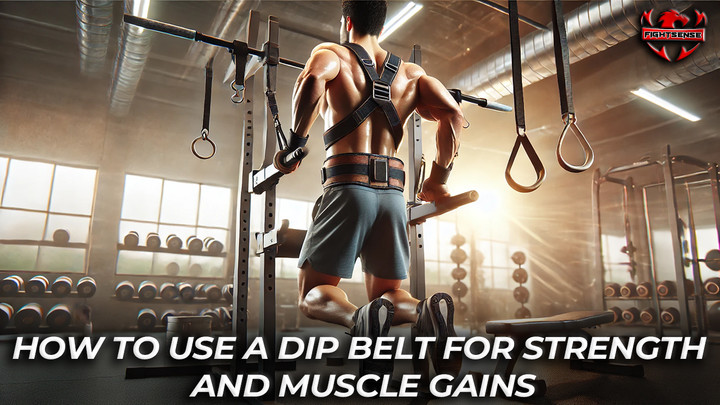
How to Use a Dip Belt for Strength and Muscle Gains
5th Mar 2025
A dip belt is an essential tool for anyone looking to push past limitations and enhance strength training. This simple yet powerful equipment adds extra resistance, boosting muscle growth and strength development during exercises like dips, pull-ups, and belt squats.In this article, we’ll cover how to use a belt, explore its various types, and share effective tips on adding it to your workout routine for maximum results.
Key Highlights:
-
A dipping belt increases resistance, enhancing muscle growth in dips, pull-ups, and squats.
-
The weight belt rope gives additional flexibility; the leather gym belt delivers strength and durability for heavy lifting.
-
For full-body strength training, use a training belt for exercises such as belt squats, lunges, and weighted dips.
-
Maximize effectiveness by always ensuring your workout belt is comfortable and secure.
-
Local fitness stores or online platforms have a lifting belt available for your training needs.
The Power of a Dip Belt:
A vital tool for building both strength and size, a dip belts helps you progressively overload your muscles for steady gains. While a leather weight belt provides superior support for heavy lifting, a rope training belt offers greater flexibility and comfort during dynamic movements.
Dip Belt Benefits for Muscle Gains and Strength Enhancement:
1. Muscle Growth & Resistance:
Adding weight boosts muscle hypertrophy and strength, enhancing your workout with a dipping belt.
2. Versatile Use:
Ideal for dips, pull-ups, chin-ups, and squats, targeting both upper and lower body.
3. Multi-Muscle Activation:
Increased resistance speeds up muscle development in multiple areas—triceps, chest, back, and more.
How to use a dip belt:
Knowing the advantages now, let’s discuss how to use a dipping belt properly to get the most out of your workout and maximize strength gains.
Selecting the appropriate dipping belt:
Choosing the right dipping belt for your needs comes first. A leather weight belt offers extra support if you plan to lift heavier loads, while a rope training belt provides greater comfort and flexibility during workouts. Make sure you pick a belt with adjustable waist fitting snugness.
Attach the weights:
After securing the dipping belt, attach the weight plates by looping the chain or rope through them. Make sure the chain is snug and the weights remain stable, especially when using a leather weight belt for added durability and support.
fasten the belt:
Correctly place the weight belt across your waist. It ought to fit comfortably but tightly around your waist or hips. It should not feel either too tight or too free, as this can create discomfort or lower efficacy.
do your exercises:
Begin your dips, pull-ups, or belt squats using a dipping belt by lowering your body until your arms reach a 90-degree angle during dips. For pull-ups, maintain controlled movement, grip the bar firmly, and lift until your chin clears it. In belt squats with a weight belt, hold the straps securely to effectively target your quads and glutes.
Top Dip Belt Exercises for Maximum Gains
1. Weighted Dips:
Dips effectively target the chest, shoulders, and triceps. Adding resistance with a dipping belt accelerates muscle growth and strength.
2. Pull-Ups & Chin-Ups:
Boost your back and bicep strength by using a dipping belt, adding extra resistance to increase intensity and push your muscles to new limits.
3. Belt Squat with Dip Belts:
The belt squat allows heavy leg training without stressing the spine, providing a safe and effective alternative to barbell squats.
4. Lunges & Step-Ups:
Choosing the Right Dip Belt: Leather vs. Rope:
There are two main types of dipping belts — the leather weight belt and the rope training belt. Here’s how to choose the one that best suits your workout needs:
-
Leather Gym Belt: This belt is ideal for heavy lifters who need a durable, sturdy belt to handle substantial weight. Leather offers more support and longevity.
-
Dipping Belt Strap: Fightsense provides the perfect option for those who prefer a lightweight and adjustable option. The rope version tends to be more flexible and comfortable, but may not hold up as well under extreme weight.
My Experience Adding a Dip Belt to Workouts:
Adding a dip belt to my workouts has been a game-changer. From increasing resistance during dips and pull-ups to challenging my limits with belt squats, this simple tool has helped me build strength and muscle more effectively. In this article, I’ll share my personal experience, tips for using a dip belt safely, and how it can be incorporated into your training routine for maximum results.
Where to Find a Dip Belt Near Me:
-
Local Stores: Visit gyms or sporting goods shops to find a dipping belt or training belt near you.
-
Online Retailers: Explore online marketplaces for a broader selection of weight belts and accessories.
-
Quality Reviews: Check customer feedback to evaluate the lifting belt’s durability and performance.
-
Adjustability: Make sure your workout belt is adjustable for a snug, secure, and comfortable fit.
-
Durability: Pick a leather gym belt or one made from sturdy materials to ensure long-lasting use.
-
Achieve Goals: A high-quality strength belt will help you progress toward your strength and fitness goals effectively.
Shop Now !
FAQs:
1. What is it used for?
A weighted belt adds extra resistance to pull-ups, dips, and squats, helping you build strength and muscle faster.
2. Can beginners use it?
Yes! Start light and master bodyweight exercises first, then gradually add weight as you get stronger.
3. Leather or rope – which is better?
-
Leather: Durable and stable, ideal for heavy lifting.
-
Rope/nylon: Flexible, adjustable, and comfortable, good for beginners.
4. How much weight should I start with?
Begin with small weights (5–10 lbs / 2–5 kg) and increase gradually without compromising form.
5. What other exercises can I do with it?
Try belt squats, weighted planks, leg raises, L-sits, or different pull-up variations.
Conclusion:
A dipping belt is a simple yet powerful tool to boost muscle growth and strength. By adding extra resistance to bodyweight exercises like dips, pull-ups, and belt squats, it helps you train harder and see results faster. Whether you choose a leather or weighted belt, it’s a must-have for anyone serious about building strength.
Disclaimer:
This article is for informational purposes only. Always consult with a fitness professional before starting a new workout routine, especially if you’re using additional weights.