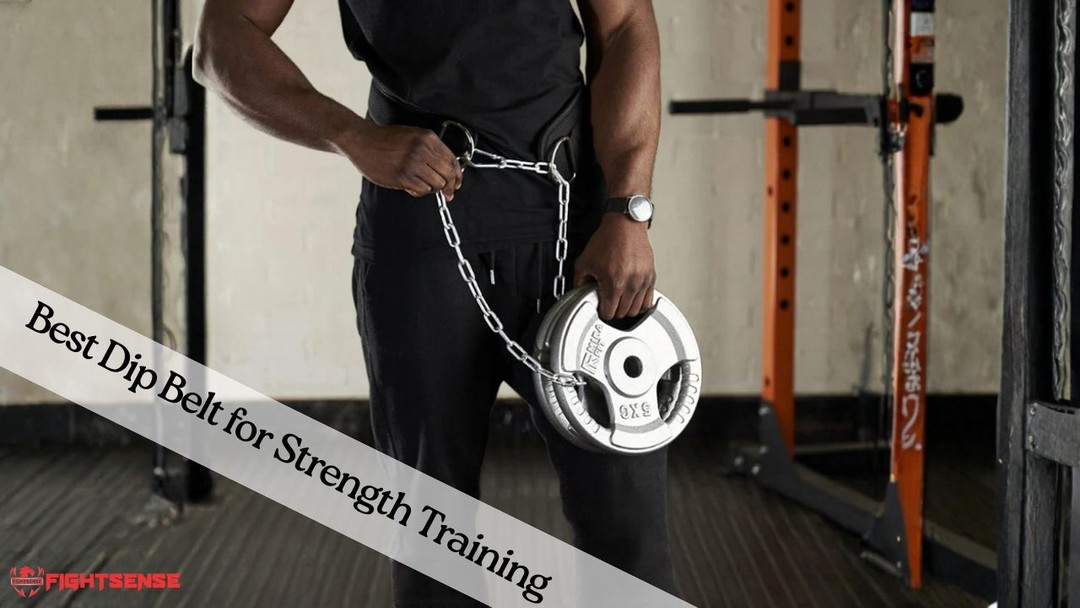
Best Dip Belt for Strength Training
A dip belt might be the missing piece in your strength training routine. Have you ever reached a point where pull-ups and dips feel too easy, but your progress suddenly slows down? That’s where adding resistance can change your workouts. A belt helps turn simple bodyweight exercises into challenging strength movements, allowing you to build more power, muscle, and endurance.
In this guide, we’ll explore how it works, when to use it, safety tips, and how to choose the right one for your training goals.
Why Is a Dip Belt Popular Among Strength Athletes?
A dip belt has become a popular training accessory among strength athletes, as it allows them to add more resistance to bodyweight workouts. If you feel standard dips, pull-ups or chin-ups are too easy, then add weight to make it more challenging. This will allow your muscles to adapt and get stronger.
It's an easy way for many lifters to keep progressing without having to completely change their exercise plan. As resistance increases, athletes can slowly work to build strength, develop muscle and break through training plateaus while keeping motions controlled and efficient.
Can a Dip Belt Really Improve Your Strength Training Results?
Yes—and here’s why, which has to do with increasing overload.
The term progressive overload means steadily increasing the demands imposed on your muscles. It is one of the most significant elements in strength training as muscles adapt to difficulties over time. Your body adjusts to a given effort and then the rate of growth begins to slow.
For example, if you can do twenty pull-ups, you won’t be able to gain the same strength-building advantage by just adding additional reps. More resistance means the muscles have to work harder each time they contract.
This has the following advantages:
- More strength gains
- Enhanced muscle growth
- Improved sports performance
- Better long term progression
- More effective workouts
Instead of spending extra time doing high rep sets, athletes can increase resistance, and still retain great movement patterns.
When Should You Start Training With Added Weight?
Not everyone has to begin with weighted training.
If you are still establishing basic strength, and learning good technique, your body weight is generally sufficient resistance. But once the exercises start feeling simple, adding additional weight can be useful.
Most trainers say to add weight to workouts once you can do comfortably:
- 10–15 tight pullovers
- Controlled dives 15-20
- Multiple, correct form sets
Now your muscles are accustomed to bodyweight resistance, so it seems sense to start adding some extra weight.
The emphasis is not on intensive training. It is to make a new challenge for continuous improvement.
Which Muscles Benefit Most From Weighted Exercises?
One of the biggest advantages of weighted dip belt with bodyweight movements is their ability to target multiple muscle groups simultaneously.
Different exercises place emphasis on different areas of the body.
Muscle Activation Comparison
|
Exercise |
Primary Muscles Worked |
Main Benefit |
|
Weighted Dips |
Chest, Triceps, Front Deltoids |
Improved pushing strength |
|
Weighted Pull-Ups |
Lats, Upper Back, Biceps |
Greater pulling power |
|
Weighted Chin-Ups |
Biceps, Lats, Forearms |
Enhanced arm development |
|
Belt Squats |
Quads, Glutes |
Lower-body strength with less spinal loading |
In addition to these primary muscle groups, your core remains highly active throughout every movement.
This means you're developing stability, coordination, and balance while simultaneously building strength.
What Should You Look for Before Buying a Belt?
Not all training equipment is equal.
Some goods feel good and right from the first time you put them on, while some are annoying after just a few exercises.
Please examine the following things before you make a purchase.
- Quality of Material: Durable equipment can take years of training without too much wear and tear.
- Double Stitched: Weak places are prevented from heavy loads by strong stitching.
- Comfort & Support: A larger back region is usually more comfortable for prolonged workouts.
- Weight Rating: Buy equipment that will accommodate your future strength goals, not just your current capabilities.
- System Safe Loading: Chains and tie-down systems should be reliable and easy to use.
A good purchase today will save money and aggravation down the line.
How Do You Use a Dip Belt Safely?
When adding resistance to bodyweight workouts, safety should always be the priority.
Even high quality equipment might be deadly if not handled correctly.
Follow these rules for safe training:
Begin Light
- Let your body get used to the resistance before you increase it.
- Check Your Gear Before Every Workout
- Check chains, straps and attachment points for signs of wear.
Keep Good Form
Don’t sacrifice form just to lift heavier weight.
No Over-swing
Controlled mobility enhances outcomes and lowers injury risk.
Warm Up Well
Warm up your muscles and joints before you do weighted exercises.
Progress, Step by Step
Small increases over time work better than big surges in resistance.
With these easy principles, you may optimize results and minimize risk.
How Adding Resistance Changed My Training Approach
For the longest time I was just working on getting my pull up and dip reps higher. At first I was making consistent progress but then at some point I hit a plateau where adding more reps wasn’t increasing my strength like it used to. My workouts were getting longer yet the results were starting to slow.
That’s when I began adding a little resistance to the routine. You could sense the difference, every rep needed more control and effort. My strength started to improve again. It taught me that the greatest path forward is not always to do more, but to train smarter with the correct challenge.
How Can Fightsense Help You Get Stronger?
As training progresses, quality of equipment becomes a crucial part of performance. Good, comfortable, and dependable gears help athletes stay in the right position, develop consistency and focus during workouts.
Fightsense is about workout equipment that is built to last and operate. Selecting reliable training equipment will help athletes develop a better workout experience and keep moving forward to their strength goals.
FAQs:
What is the primary purpose of a dip belt?
A belt helps you add resistance to bodyweight exercises and can help you increase strength and muscle growth.
Can beginners safely use a belt?
Yes, beginners can utilize one if you’ve built basic strength and kept good exercise form.
Will a dip belt help me grow muscle faster?
It can support muscle growth by increasing the intensity of training through progressive overload.
Is it possible to use a belt for pull-ups and chin-ups?
Yes. It is widely used to increase the difficulty of pulling workouts.
How often should I clean/check my training belt?
Regular inspection helps to maintain the safety and to keep the equipment in excellent condition.
Does weighted training improve athletic performance?
Yes, it can increase strength, power, stability and overall physical performance.
Closing Remarks:
Strength training is all about sustained gains. Bodyweight workouts make for a great base, but resistance may take you past plateaus and keep building your strength, muscle and performance.
A dip belt is a simple way to make your workouts harder and more effective. With the right equipment like Fightsense, good technique and growth you can keep pushing your boundaries and get superior long term fitness outcomes.
Disclaimer:
This article is for informational purposes only and is not a substitute for professional fitness advice. Use training equipment safely and choose weights according to your ability.