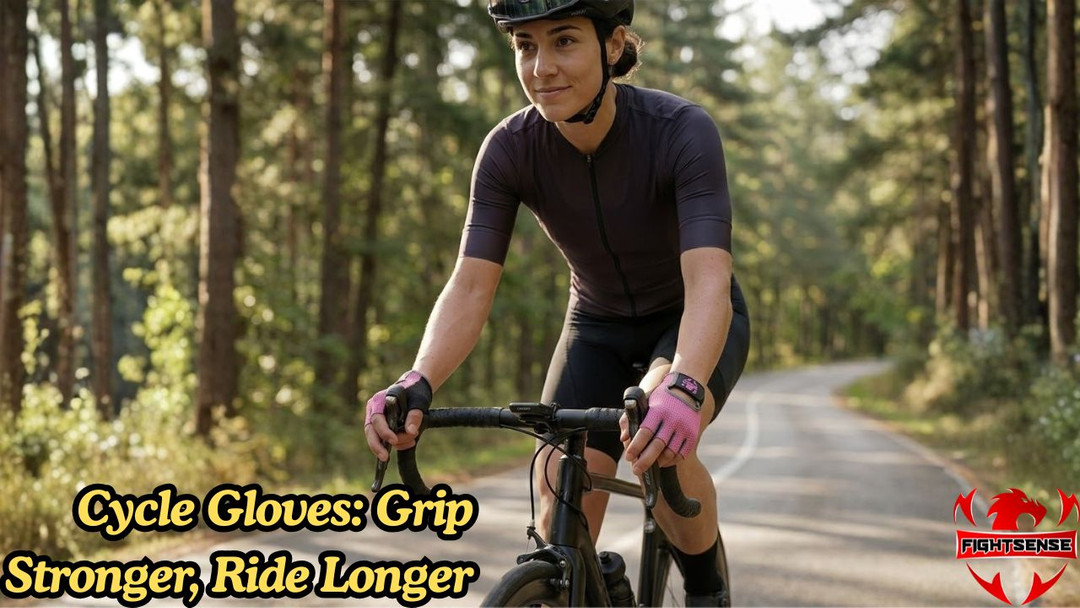
Cycle Gloves: Grip Stronger, Ride Longer
Riding a bicycle for long distances without proper hand protection quickly leads to numbness, blisters, and sore palms. Investing in a high-quality pair of cycle gloves transforms your ride by dampening handlebar vibrations, improving control, and protecting your hands if you spill.
Whether you commute daily through traffic, tackle technical mountain bike trails, or log centuries on smooth asphalt, wearing the right gloves isn't a luxury—it's essential cycling equipment. This comprehensive guide covers everything you need to know to select, size, and maintain your ideal pair.
Understand Cycling gloves
Cycle gloves are specialized handwear engineered specifically to protect a rider's hands, enhance handlebar grip, and improve overall riding comfort. Unlike standard gloves, they feature targeted gel or foam padding across the palm to absorb road chatter and trail vibrations. Made from lightweight, moisture-wicking, and breathable fabrics, they prevent sweat buildup, protect against painful blisters, and safeguard your skin from road rash in the event of an accidental fall.
Why Every Rider Needs Cycle Gloves
Your hands are one of three primary contact points with your bicycle. Pressure on the ulnar and median nerves in your palm can lead to handlebar palsy or carpal tunnel syndrome symptoms over extended rides.
Key benefits include:
- Vibration Absorption: Dampens road buzz and rough trail chatter before it hits your wrist joints.
- Grip & Control: Sweat-wicking materials and silicone palm prints ensure firm hold on brake levers and gear shifters.
- Crash Protection: Palms instinctively hit the ground first during a fall; durable materials prevent road rash.
- Weather Defense: Thermal fabrics protect against windchill, while ventilated mesh prevents summer heat buildup.
Types of Cycling gloves Short Finger vs. Full Finger
Short Finger (Fingerless / Mitts)
Fingerless gloves are the classic choice for warm-weather road cycling, gravel grinding, and summer commuting. They keep palms protected while offering maximum airflow and tactile dexterity for gear adjustment or smartphone screens.
Full Finger Gloves
Full-finger designs extend coverage to the fingertips. They are standard for mountain biking (MTB) to guard against brush, thorns, and brake-lever slippage. Thermal and waterproof full-finger variants are essential for winter, autumn, and sub-zero spring riding.
Understanding Padding: Gel vs. Foam
|
Padding Type |
Best For |
Shock Absorption |
Bar Feel |
|
Gel |
Long road rides & commute |
High |
Cushioned |
|
Foam |
Gravel & trail riding |
Medium-High |
Balanced |
|
Unpadded |
Track & downhill MTB |
Low |
Maximum |
Handwear for cyclists Comparison: Choosing by Riding Style
- Road Cycling: Look for sleek, aerodynamic cuts with strategic ulnar nerve padding and lightweight mesh backs.
- Mountain Biking (MTB): Prioritize reinforced knuckleguards, durable synthetic leather palms (like Clarino), and high-tack silicone lever grips.
- Gravel & Adventure: Opt for medium-density foam that absorbs micro-vibrations without feeling squishy over hours on unpaved gravel roads.
Step-by-Step: How to Measure and Size Your Gloves
Finding the correct fit ensures maximum nerve protection and prevents bunching material.
1. Measure Palm Circumference: Wrap a flexible fabric measuring tape around your dominant hand just below the knuckles (excluding the thumb).
2. Measure Hand Length: Measure from the tip of your middle finger down to the crease at the base of your palm.
3. Consult the Manufacturer Size Chart: Brands vary significantly—an EU size 9/Large may correspond to a US Medium. Reputable fitness gear brands like Fightsense, which design durable weightlifting gears and specialized cycling gloves, provide precise sizing charts to help you get an exact match.
4. Test the Grip: Form a fist as if holding a handlebar. Check that the fabric across the back of the hand does not pinch or restrict joint movement.
5. Check Fingertip Clearance (Full-Finger): Ensure full-finger models leave roughly 2–3 mm at the tips when making a handlebar grip shape.
Pros and Cons of Wearing Gloves While Cycling
Pros
- Significantly reduces risk of numbness, nerve compression, and tingling in fingers.
- Prevents painful blisters and skin chafing.
- Absorbent nose-wipe panels on the thumb make managing sweat easy on hot climbs.
- Protects skin against sun damage and harsh UV rays.
Cons
- Takes a few extra moments to put on and take off.
- Improperly fitted padding can increase pressure on hand nerves rather than relieving it.
- Inexpensive non-breathable gloves can trap sweat and feel clammy.
Expert Tips for Longer Lasting Gloves
- Wash Regularly: Sweat salts degrade synthetic leather and elastic materials. The machine washed delicately inside a mesh laundry bag.
- Air Dry Only: High dryer heat damages silicone grips, gel inserts, and elastic wrist closures. Always air dry away from direct heat sources.
- Fasten Velcro Cuffs: Always secure hook-and-loop wrist straps before washing to prevent snagging performance fabrics.
Common Mistakes to Avoid
- Buying Gloves That Are Too Tight: Restricted blood flow causes cold, numb hands much faster than lack of insulation.
- Over-Padding the Palm: Excessive padding reduces handlebar control and can force hands into unnatural grip angles.
- Ignoring the Wrist Closure: Ensure velcro or slip-on cuffs fit comfortably under or over jersey sleeves to prevent chafing.
FAQs:
1. Should Cycling mitts be tight or loose?
Gloves should fit snug like a second skin without restricting blood circulation or pulling tightly across the knuckles when gripping the handlebars.
2. Why do hands go numb when cycling without gloves?
Numbness is usually caused by sustained pressure on the ulnar nerve running through the palm (cyclist's palsy). Padded gloves distribute this pressure across a wider surface area.
3. Wash padded cycling gloves in a washing machine?
Yes, wash them on a gentle cycle in cold water inside a mesh laundry bag. Always air-dry them to preserve gel inserts and elastic trims.
4. Do mountain bikers need different gloves than road cyclists?
Yes. MTB gloves typically feature full-finger coverage, durable abrasion resistance, and lighter padding to maintain maximum handlebar and brake feedback.
5. What material is best for summer Cycling gloves?
Look for moisture-wicking synthetic blends like Lycra or polyester mesh on the top, paired with perforated synthetic leather palms for ventilation.
Conclusion:
Finding the ideal pair of cycle gloves comes down to matching your riding style, weather conditions, and padding preference. By protecting your hands from nerve strain, vibration, and accidental spills, you ensure every ride remains comfortable and enjoyable. Measure your hands accurately, choose the right style for your terrain, and experience the difference proper handwear makes on your next ride. Ready to upgrade your ride comfort? Explore top-rated ergonomic gloves today and protect your hands on every trail or road!
Disclaimer:
This article is for informational purposes only. Product specifications, features, and availability may vary by manufacturer. Always ensure proper fit and safety gear before riding.