Boxing Glove Sizes: The Ultimate Selection & Fit Guide
Boxing glove sizes can make or break your entire training experience, dictating whether you walk away from a heavy bag session with solid wrist support or bruised knuckles. Whether you are stepping onto the mats for your very first fitness class or prepping for intense sparring rounds, sliding your hands into the correct pair changes everything. Many beginners struggle with knowing which option to buy, but matching your hand measurements and training style to the right weight is essential for long-term safety and performance.
What Are Boxing Gloves and Why Is Choosing the Correct Size Essential?
Boxing gloves are specialized pieces of athletic equipment that are used to protect the delicate bones of the hand, fingers, and wrist during high-impact hits. They're much more than just padding, a crucial buffer between your knuckles and the heavy bags, focus mitts, or a sparring partner's face.
The weight and dimensions are closely related to your safety and performance; hence, it is vital to choose the precise proper size. Gloves that are too small can cramp your fingers, impede circulation, and lack the foam thickness to absorb shock, which causes bruised knuckles and sprained wrists. Over-sized gear, however, may shift erratically in your hands, causing you to lose striking accuracy and hand speed, and putting your wrist joints in abnormal bends on contact. Matching your particular hand measurements and training activity enables appropriate wrist alignment, maximum control, and long-term joint health.
Why Glove Sizing Matters
In combat sports, your gloves are your first line of defense, sustaining thousands of pounds of accumulated impact in a single training session. Without the right sizing, the kinetic shock of a punch goes directly up your forearm, stressing your joints.
A good fit spreads the force throughout the padding and keeps the wrist in a neutral, supported position. This is what divides a safe, effective workout from an injury that will sideline you from the gym for weeks.
Understanding Ounces (oz): The Core of Sizing
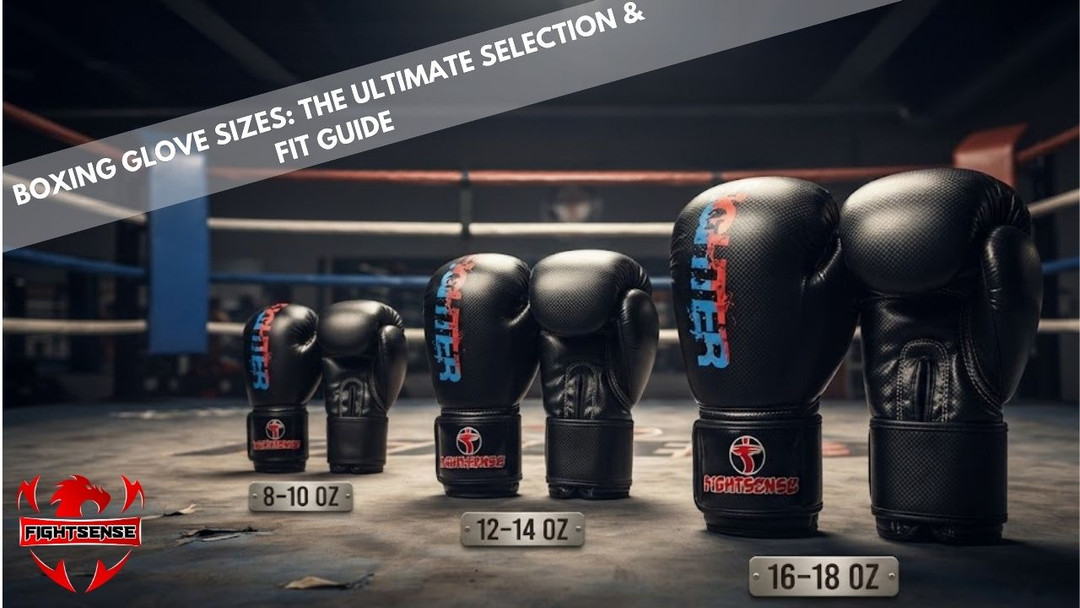
Boxing gloves are always measured in ounces (oz) and not in typical apparel sizes like small, medium, or large. This ounce number directly relates to the total weight of the gear and the amount of internal foam padding.
- 8–10 oz (Lightweight): 10 oz gloves designed mainly for professional competition and quick mitt work. They have the least resistance and the most speed.
- 12–14 oz (Mid-Weight): The classic option for regular gym training, heavy bag work, and fitness programs. They balance knuckle protection with hand quickness.
- 16–18 oz (Heavyweight): Made specifically for sparring and conditioning. The strong, multilayer padding absorbs large impacts to keep you and your training partner safe.
Step-by-Step Guide: How to Measure Your Hands for Boxing Glove Sizes
How to measure boxing glove sizes (1) You need a straightforward physical measurement to find your proper boxing glove and not guess.
- Locate the broadest part: Open your dominant hand and wrap a flexible tailoring tape around your palm below the knuckles, but not including your thumb.
- See the (measure): Measure the circumference of your hand in inches or centimeters.
- Hand wraps: If you normally wear thick cotton or gel wraps under your gloves, add a half inch to your measurement.
- Compare sizes with sizing charts: Compare your final figure with the manufacturer’s specifications to get your appropriate ounce category.
Boxing Glove Sizing Chart & Comparison
|
Glove Weight (oz) |
Primary Use Case |
Recommended Body Weight |
Main Benefit |
|
8–10 oz |
Professional matches & mitt work |
Under 120 lbs |
Maximum speed and tactile feedback. |
|
12–14 oz |
Heavy bag & daily conditioning |
120 lbs – 160 lbs |
Balanced blend of speed and protection. |
|
16–18 oz |
Sparring & heavy sparring |
160 lbs+ |
Superior knuckle padding and safety. |
Choosing the Right Size for Your Training Style
Different fighting activities have radically different requirements on your gear. A one-size-fits-all approach never works in boxing. (2) Understanding proper boxing glove sizes is important when considering possibilities and will guarantee you get the suitable equipment for any specific drill.
- Heavy Bag & Pad Work: Choose 12 oz or 14 oz. They allow you to keep a fast hand speed, while giving you enough solid foam to protect your metacarpals from rough surfaces.
- Sparring Sessions: 16oz or 18oz alternatives are available at nearly every respected gym. The added padding protects your partner from impact and your hands from hard counter punches.
- Fitness Boxing & Cardio Classes: A flexible 14 oz model offers comfortable wrist stability without fatiguing your shoulders during high-repetition shadowboxing or endurance circuits.
Pros & Cons of Lightweight vs. Heavier Gear
Lightweight Options (8–12 oz)
- The Good: Sharpen reflexes, boost hand speed, and simulate authentic fight-night conditions.
- Cons: They offer reduced padding, which makes your knuckles vulnerable during hard bag exercises.
Heavier Options (16–18 oz)
- Pros: Develop great shoulder endurance; 16 oz gloves give optimum safety and is necessary for sparring.
- Cons: Can feel big for smaller athletes and reduce raw punching velocity.
Expert Tips for Breaking In New Gear
- Always use wraps: Never put bare flesh directly into your gear. Hand wraps absorb corrosive sweat and hold your wrist bones together.
- Use deodorants for gloves: After each activity, tuck in cedar chips or moisture-absorbing inserts to wick away residual sweat.
- Don't leave them in a gym bag: Trapped moisture breaks down internal foam layers prematurely and promotes foul-smelling bacteria.
Common Mistakes to Avoid
- Purely focused on looks: Never buy a pair just because of a cool colorway. Safety and weight ratings always come first.
- Sparring in bag gloves: Sparring in old, flimsy bag gloves turns your fists into deadly weapons, and it hurts your sparring partners.
- Forget the break-in phase. Give new leather gloves a few short bag workouts to soften up before throwing full-power combinations.
Why Fightsense Stands Out in Combat Gear
Choosing a reputable brand is vital for longevity and joint safety when putting up a dependable kit. Fightsense creates boxing gloves and combat gear for comfort, durability, and exceptional performance.
Fightsense devices are made with high-grade materials and multi-layered foam to absorb high-impact shocks while providing structural wrist support. The firm also provides full-service wholesale solutions, making it easy for gyms and shops to supply top exercise equipment at scale for all levels of training.
FAQs:
Q: What gloves should I buy as a beginner?
14 oz and 16 oz are what is normally best for beginners. (3) Recognizing how to measure boxing glove sizes helps inexperienced boxers prevent typical rookie injuries.
Q: Can I use the same pair for heavy bag and sparring?
This is highly discouraged. Heavy bag work compresses and hardens the foam over time, turning the gloves into hard blocks that can hurt sparring partners.
Q: Do heavier alternatives make your punches faster later on?
Yes. Training with heavier equipment improves shoulder and arm stamina, so when you drop down in weight, your hands seem incredibly fast.
Q: What should a glove feel like?
It should feel tight and strong, like a solid handshake. You want your fingers to just touch the top, no cramping, and your wrist to feel locked.
Q: Are 18 oz alternatives too heavy for typical adults?
If you aren’t particularly small-framed, 18 oz choices are great for heavier people or for serious sparring sessions that are primarily about safety.
Q: How can I keep my stuff from stinking?
Spray the inside and outside with an antibacterial spray after every session and leave them out to air dry in a highly ventilated location.
Q: When to change your gear?
If you’re training multiple times a week, you’ll want to change your gear every 12 to 18 months or sooner if the wrist strap loses elasticity and the foam begins to flatten.
Final Thoughts:
Choosing the proper boxing glove sizes is a fundamental step in protecting your physical health and sharpening your technical skills. Long-term success in the ring starts with correct hand measurements, weight requirements, and avoiding common mistakes like using bag gloves for sparring. Check out sturdy, high-performance alternatives from Fightsense today to make sure your hands are safe through every single round.
Note:
This guide is for informational purposes only and is not a substitute for professional advice on boxing safety or training