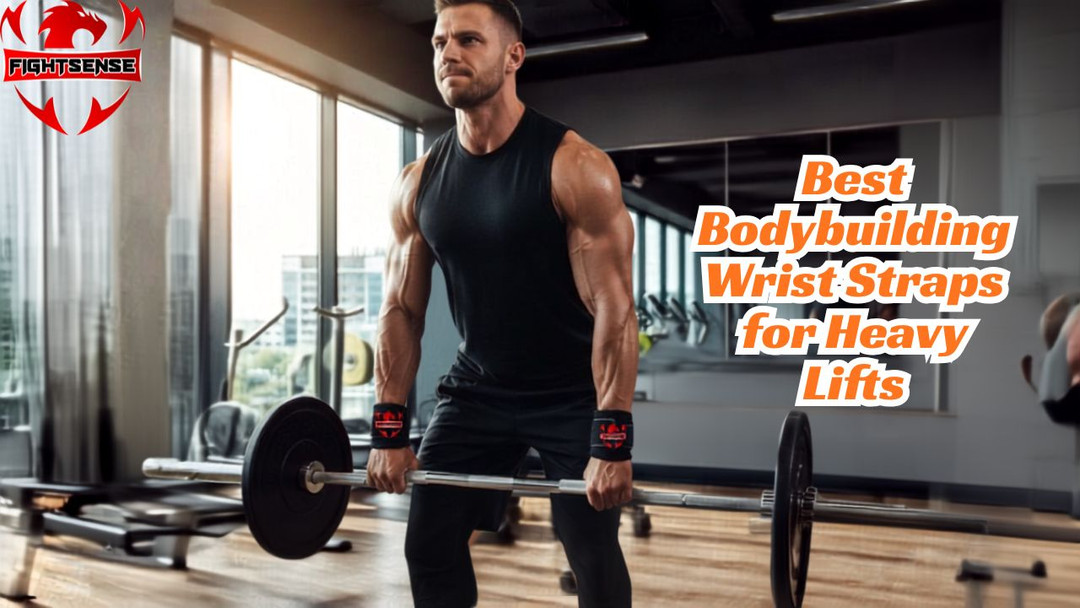
Best Bodybuilding Wrist Straps for Heavy Lifts
If your grip gives out before your back or hamstrings do during heavy pulling movements, you are leaving massive gains on the table. Choosing the right bodybuilding wrist straps bridges that gap, allowing you to bypass grip fatigue and focus entirely on target muscle recruitment. Whether you are aiming to pull heavier deadlifts, secure more rows, or power through grueling shrugs, investing in reliable lifting accessories can fundamentally transform your workouts.
Why You Need Bodybuilding Wrist Straps
When training for hypertrophy or raw strength, your forearms and hands naturally fatigue faster than major muscle groups like your latissimus dorsi, traps, and glutes. Without assistance, your grip becomes the weakest link in compound exercises.
Using gym wrist wraps or lifting straps takes the load off your hands, transferring the weight securely to your wrists. This allows you to perform extra repetitions, lift heavier loads, and stimulate deeper muscle fibers without worrying about the bar slipping out of your hands. When assembling your gym bag with gear from fitness brands like Fightsense, which specializes in durable weightlifting essentials, adding a reliable pair of straps is a great way to elevate your lifting sessions.
Types of Lifting Straps Explained
Not all straps serve the same purpose. Understanding the main designs helps you pick the right tool for your specific training style.
1. Traditional Loop Straps (Closed Loop)
- What they are: A simple continuous loop of material where one end feeds through the other to form a secure circle around the wrist.
- Best for: General bodybuilding, powerlifting, and quick transitions between heavy sets.
2. Olympic / Lashing Straps
- What they are: A longer, single strand of material (often cotton or nylon) without a pre-made loop, designed to be wrapped quickly around the barbell.
- Best for: Olympic weightlifters who need to bail out of a failed lift safely and instantly.
3. Figure 8 Straps
- What they are: Shaped like a figure eight, these dual-loop straps lock your hands completely onto the bar with zero slippage.
- Best for: Heavy deadlifts, strongman training, and maximal load pulling where total security is required.
Comparison: Cotton vs. Leather vs. Nylon Straps
|
Material |
Durability |
Comfort |
Grip Security |
Best Use Case |
|
Cotton |
High |
High (breaks in softly) |
Excellent (absorbs chalk) |
Everyday bodybuilding & heavy rows |
|
Leather |
Very High |
Medium to High |
Moderate (can slick when sweaty) |
|
|
Nylon |
Extreme |
Low to Medium |
High (slick surface) |
Budget-conscious lifters & wet conditions |
How to Use Lifting Straps Correctly (Step-by-Step)
Proper technique ensures both safety and efficiency when locking onto a bar.
- Thread the Strap: If using loop straps, pass the tail end through the eyelet to create a secure wrist loop. Ensure the strap feeds outward toward your pinky finger.
- Secure Your Wrists: Slide your hands through the loops so the strap rests snugly against your wrist bones, not sliding down onto your hand.
- Wrap the Bar: Approach the barbell. Lay the loose end of the strap over the top of the bar, then bring it underneath and back up toward your palm.
- Twist to Tighten: Rotate the bar forward to wind the strap tightly around the knurling. Ensure there is no loose slack between your hand and the bar.
- Lock and Lift: Take a firm grip over the wrapped strap and execute your lift with confidence.
Pros & Cons of Lifting Straps
Pros
- Overcome Grip Fatigue: Target back, trap, and leg muscles without hand failure.
- Increase Lifting Volume: Perform extra reps and sets at higher intensities.
- Joint and Tendon Support: Many hybrid straps offer supportive padding that cushions heavy loads against the wrist skin.
Cons
- Reduced Grip Development: Relying exclusively on straps can stunt natural forearm and grip strength growth.
- Learning Curve: Wrapping quickly and evenly under heavy weight takes practice.
- Safety Release Limitations: Traditional and figure-eight straps take longer to detach from a bar during an emergency bail compared to unassisted hands.
Expert Tips for Maximizing Grip and Safety
- Reserve Straps for Heavy Sets: Warm up without straps for your lighter sets to maintain and build natural grip strength. Save your straps for your top working sets.
- Combine with Chalk: Cotton straps paired with gym chalk provide an unbreakable hold, even on slick bars.
- Inspect Regularly: Check your straps for fraying or weakened stitching before every heavy pulling session to avoid sudden gear failure.
Common Mistakes to Avoid
- Wrapping Inside-Out: Always ensure the tail of the strap wraps over the bar and back toward your palm, never away from you, so it unwinds safely if you need to let go.
- Placing Straps Too Low: Wearing straps down on your palms rather than securely around your wrist joints reduces leverage and causes hand pinching.
- Neglecting Grip Training Entirely: Balance your accessory use by incorporating direct forearm and farmer's walk training into your weekly routine.
FAQs:
1. Do bodybuilding wrist straps build muscle?
Yes, indirectly. By allowing you to lift heavier weights and perform more repetitions on back and leg exercises, straps maximize hypertrophy in target muscle groups like your lats and hamstrings.
2. Are wrist straps the same as wrist wraps?
No. Wrist wraps provide compressive joint support to stabilize the wrist during pushing movements like bench presses or overhead presses. Lifting straps are designed to secure your hands to a bar for pulling movements.
3. Can beginners use lifting straps?
Beginners can use them, but it is recommended to build foundational grip strength first. Use straps primarily when your grip strength compromises your ability to train larger muscle groups effectively.
4. Which strap type is best for deadlifts?
Figure 8 straps are widely considered the best for maximum deadlifts because they lock your hands securely to the bar with zero risk of the strap unraveling mid-lift.
5. Do powerlifting federations allow lifting straps?
Lifting straps are strictly prohibited in powerlifting competitions, but they are completely legal and widely used in strongman events and general bodybuilding training.
6. How tight should wrist straps be?
They should be snug and comfortable against the wrist joint, ensuring they do not cut off circulation or slide down onto your hand bones during a lift.
7. Can lifting straps prevent wrist injuries?
While they offer minor wrist stability, their primary function is grip assistance rather than joint immobilization. Use dedicated wrist wraps if heavy joint stabilization is your main goal.
Conclusion:
Integrating high-quality bodybuilding wrist straps into your training arsenal is a game-changer for overcoming plateaus and maximizing back and leg development. By choosing the right material for your needs, mastering the wrapping technique, and using them strategically on heavy working sets, you can lift heavier, train smarter, and accelerate your overall physique transformation.