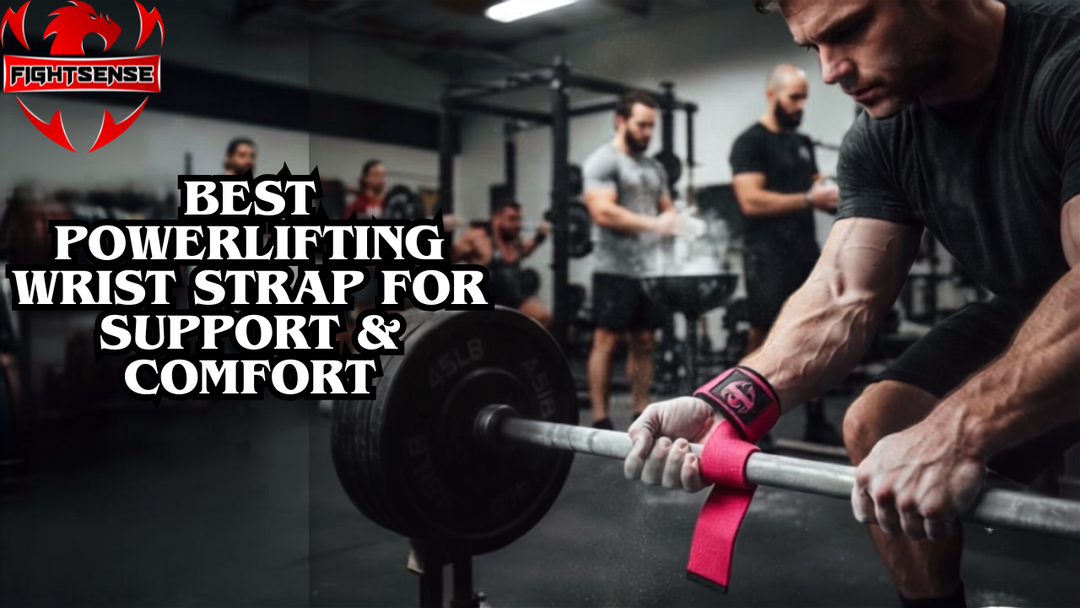
Best Powerlifting Wrist Strap for Support & Comfort
When you are staring down a heavy barbell, preparing to pull a personal record on deadlifts or shrugs, your grip is often the very first thing to fail. It is frustrating to watch your back and legs have plenty of gas left in the tank, only to have your fingers give out. That is where a reliable powerlifting wrist strap comes into play. Designed to bridge the gap between your raw grip strength and the immense load of heavy compound movements, the right strap can completely transform your training.
Unlike wrist wraps—which stabilize the wrist joint for pressing movements—straps secure your hands to the bar. Whether you are grinding through heavy pulling sessions, bodybuilding hypertrophy workouts, or strongman training, mastering this tool is essential for breaking plateaus safely and effectively.
What is a Powerlifting Wrist Strap?
A powerlifting wrist strap is a piece of athletic gear—typically made from cotton, nylon, leather, or canvas—that loops around your wrist and wraps securely around a barbell or dumbbell handle.
By locking your hands to the bar, straps reduce the demand on your forearm flexors and grip strength. This allows you to focus entirely on targeting primary muscle groups like your latissimus dorsi, traps, hamstrings, and glutes without your fingers slipping mid-set.
Why You Need a Lifting Strap for Heavy Lifts
Many purists argue against using gear, but advanced lifters and coaches know that targeted support unlocks higher performance thresholds. Here is why incorporating a strap matters:
- Overcome Grip Deficits: Your grip strength naturally fatigues faster than larger muscle groups like your back and hamstrings. Straps level the playing field.
- Lift Heavier Loads: Safely handle weights that exceed your raw grip capacity during heavy barbell rows, deadlifts, and rack pulls.
- High-Rep Volume Endurance: Prevent calluses from tearing and forearm cramps during high-volume bodybuilding back sessions.
Types of Lifting straps
Not all lifting aids are built the same. Choosing the correct style depends on your specific training discipline, speed requirements, and comfort preferences.
1. Loop Straps (Lasso Style)
The most common and versatile style. They feature a single loop for your wrist with a long tail that wraps around the bar.
- Best for: General weightlifting, bodybuilding, and standard deadlifts.
- Key benefit: Easy to adjust and quick to release if a lift fails.
2. Olympic / Oly Straps (Closed Loop)
A shorter, single-loop design with no loose tail. They allow for an instant release, which is critical for dynamic movements like snatches and clean and jerks.
- Best for: Olympic weightlifting and CrossFit.
- Key benefit: Safety during fast lifts where bailing is necessary.
3. Figure 8 Straps
A continuous figure-8 design where both hands lock securely into the bar simultaneously. These offer the most secure, unbreakable hold available.
- Best for: Max-effort powerlifting deadlifts and strongman events.
- Key benefit: Zero slip, though they take a bit of practice to secure quickly.
Comparison of Popular Strap Materials
|
Material Type |
Durability |
Comfort |
Best Used For |
|
Cotton |
High |
High (breaks in softly) |
Everyday training, high-rep volume |
|
Nylon |
Extreme |
Medium (can feel slick initially) |
Heavy max-effort pulls, long lifespan |
|
Leather |
Medium |
High (molds to skin) |
Traditional lifters, aesthetic appeal |
|
Canvas |
High |
Medium-Low |
Heavy-duty strongman and powerlifting |
Image suggestion: A close-up flat lay photo of cotton, nylon, and figure-8 wrist straps arranged side-by-side on a wooden gym floor.
How to Use a Grip straps (Step-by-Step)
Using a lasso-style strap correctly ensures safety and maximum hold efficiency. Follow these simple steps:
- Insert Your Hand: Slide your hand through the loop of the strap from the top down, so the tail rests against your palm and thumb side.
- Adjust Fit: Snug the loop comfortably around your wrist bone—not too loose, but without cutting off circulation.
- Approach the Bar: Position yourself at the barbell and place your hands over the knurling.
- Wrap the Tail: Pass the remaining fabric tail under the bar and back up toward your palm.
- Twist and Lock: Rotate the bar slightly with your fingers to tighten the fabric securely around the knurling.
- Initiate the Lift: Engage your core, set your lats, and lift with confidence.
Pros and Cons of Using Lifting Straps
Pros
- Drastically improves holding power on heavy pulling movements.
- Protects hands and fingers from painful skin tears and calluses.
- Enhances mind-muscle connection with back and hamstring targets.
Cons
- Can reduce natural grip strength development if relied upon for every single warm-up set.
- Figure-8 and lasso styles require a brief learning curve to master quickly.
- Not permitted in official raw powerlifting federation competitions (though allowed in strongman and select divisions).
Expert Tips for Maximizing Grip Support
- Save Them for Working Sets: Build raw grip strength by performing your light warm-up sets without accessories. Only pull out your straps when the weight gets heavy.
- Invest in Quality Gear: When shopping for durable equipment, many lifters trust specialized fitness brands like Fightsense that provide dependable weightlifting gear designed to withstand heavy pulling sessions, including heavy-duty wrist straps.
- Check the Knurling: Make sure your strap wraps smoothly against the bar's knurling pattern to prevent slippage under heavy loads.
- Pair with Chalk: Even with fabric aids, a light layer of gym chalk on your hands enhances overall stability.
Get Yours Now!
Common Mistakes to Avoid
- Wrapping Over the Thumb: Always route the strap under the bar; wrapping it incorrectly makes a quick release dangerous.
- Buying Excessively Cheap Nylon: Flimsy materials can fray under heavy loads. Invest in reinforced stitching and durable cotton or high-grade nylon.
- Neglecting Grip Training: Relying 100% on gear can atrophy your forearm strength. Balance your routine with farmer's walks or dead hangs.
FAQs:
1. Are powerlifting wrist straps legal in competitions?
They are generally not allowed in standard powerlifting federations (like USAPL or IPF) for powerlifting meets, but they are widely accepted in strongman competitions, highland games, and standard gym training.
2. Do wrist straps help increase deadlift weight?
Yes. By eliminating grip failure as your limiting factor, most lifters can instantly pull heavier loads or complete extra repetitions.
3. Can beginners use lifting straps?
Beginners can use them, but it is recommended to build foundational grip strength first before depending heavily on accessories.
4. What is the difference between wrist wraps and wrist straps?
Wrist wraps provide rigid joint compression and support for pushing exercises like bench presses. Wrist straps anchor your hands to a barbell for pulling movements.
5. Are figure-8 straps safer than lasso straps?
Figure-8 straps offer a tighter, more secure hold, but lasso straps are much easier to quickly drop or release if a lift goes wrong.
6. How tight should the wrist loop be?
It should feel snug and secure against your wrist joint without pinching nerves or restricting blood flow to your hand.
7. Do leather straps last longer than cotton?
High-grade nylon and reinforced cotton often outlast leather, though leather offers a softer, more traditional feel against the skin.
Conclusion:
Incorporating a quality powerlifting wrist strap into your gym bag is one of the smartest decisions you can make to elevate your pulling performance. By removing grip fatigue from the equation, you allow your back, glutes, and hamsters to work at their true maximum capacity. Choose the material and style that fits your lifting style, practice proper wrapping technique, and watch your strength numbers climb.
Note:
Always consult a doctor before using wrist straps. They should complement a proper training and recovery routine for safety and performance.