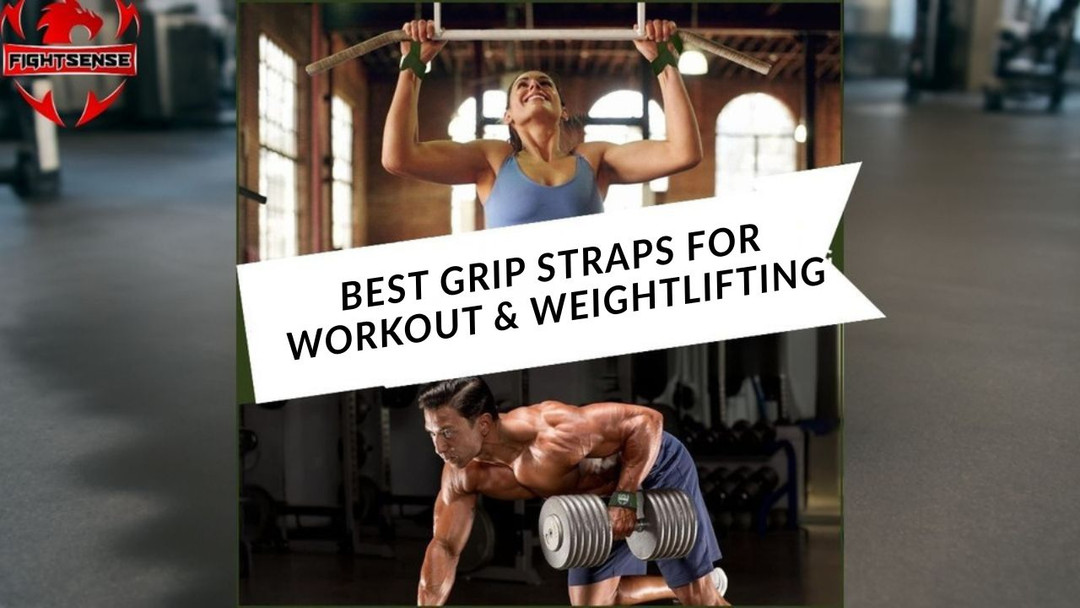
Best Grip Straps for Workout & Weightlifting
Grip straps are essential for overcoming one of the biggest limits in weightlifting: your grip. Without proper support, holding weights can be uncomfortable and unsafe. Lifting Straps improve your grip, protect your wrists, and help you lift heavier with barbells, dumbbells, or kettlebells.
They keep you in control, reduce the risk of injury, and help you get the most out of every workout. This article will explain how Lifting Straps can boost your lifting performance and help you reach your strength goals.
Key Points:
- Lifting Straps improve hold and reduce forearm fatigue.
- They allow safer lifting of heavier weights.
- Choose straps based on material, fit, and comfort.
- Versatile straps work for deadlifts, rows, and pull-ups.
- Proper use enhances performance without compromising form.
What Are Grip Straps and Why Do They Matter?
Grip straps are simple yet powerful tools used mainly in strength training, bodybuilding, and functional fitness. They’re designed to wrap around your wrists and the barbell (or other equipment) to increase friction and reduce reliance on your natural grip strength.
Many beginners think straps are only for “cheating” or use only by advanced athletes, but that couldn’t be further from the truth.
How Lifting Straps Work:
At a basic level, Weightlifting Straps serve two main purposes:
1. Increase Contact Surface: By wrapping around the bar, straps give your hands more surface area and friction to hold onto.
2. Reduce Grip Fatigue: During heavy lifts — especially deadlifts or high‑repetition sets — your forearms can fatigue before your larger muscle groups. Straps help delay grip failure so you can focus on the target muscles (back, legs, traps, etc.).
This makes Weightlifting Straps especially useful for exercises like:
- Deadlifts
- Barbell Rows
- Lat Pulldowns
- Shrugs
- Dumbbell Holds
- High‑rep Back Workouts
Benefits of Using Weightlifting Straps:
Improved Strength Performance
If you struggle to hold heavy weights even though your muscles feel strong enough, Powerlifting Straps can help bridge that gap. Improved grip means you can push harder, set new personal records, and train with intensity.
Reduced Hand & Forearm Fatigue
One of the biggest advantages is that Powerlifting Straps take the load off your fingers and forearms, allowing those muscles to stay fresh longer during workouts.
Better Form & Reduced Risk of Injury
When your grip fails mid‑rep, your form often collapses — increasing the risk of injury. Lifting Straps help secure your hold and let you complete movements more safely.
Better for Long Workouts
Training sessions that target back or shoulder muscles can be long and demanding.Weightlifting Straps help you stay focused on exercising the right muscles instead of fighting the bar.
Types of Powerlifting Straps:
Not all Training Straps are created equal. Depending on your training style and preferences, different materials and designs may work better.
Cotton Grip Straps
- Comfortable: Soft on skin
- Lightweight: Good for general gym use
- Not as Durable for Heavy Lifting
Cotton straps are often chosen by beginners for their comfort, but they may wear out faster under heavy loads.
Nylon Training Straps
- Strong and Long‑Lasting
- Great All‑Around Choice
- Affordable
Nylon straps offer a balance of durability and comfort, making them ideal for most gym training.
Leather Lifting Straps
- Most Durable Option
- Excellent for Heavy or Daily Use
- Higher Price Point
Leather straps are built to last and handle heavy training cycles without significant wear.
Quick‑Wrap & Padded Straps
Some straps include extra wrist padding for comfort or quick‑wrap Velcro features for easy adjustments.
Tips for Picking the Perfect Powerlifting Straps for Your Workout:
Choosing the right grip straps isn’t just about material — you also need to consider fit, comfort, and performance. Here’s what to look for:
Material & Durability
If your workouts involve regularly lifting heavy weights, choose nylon or leather. Nylon is versatile and durable, while leather gives the highest level of longevity.
Comfort & Fit
Look for straps that have wrist padding or ergonomic shapes. Reducing wrist pressure will help you exercise longer without discomfort.
Ease of Use
Some straps are quicker to wrap and secure than others. If you find yourself constantly adjusting during workouts, choose a design that’s quick and easy to set up.
Versatility
Good Weightlifting Straps should work not only for deadlifts but also rows, pull‑ups, shrugs, and other pulling exercises.
Weight Support & Strength
High‑quality straps often list a maximum weight recommendation. While this isn’t the only indication of strength, it’s a useful reference point.
Top Grip Straps for Workout & Weightlifting (2026 Picks)
Below are some of the best Training Straps available today — each with specific strengths and benefits. These are selected based on performance, durability, value, and user satisfaction.
Fightsense Pro Training Straps
Best Overall for Heavy Lifting & Daily Training
Fightsense Pro Wrist Straps stand out as a top pick for many athletes. Built with high‑quality materials and engineered for performance, they combine durability, comfort, and grip support.
Key Features:
- High‑durability construction
- Excellent wrist support
- Great for deadlifts, heavy rows, and pulls
Fightsense straps are ideal if you’re serious about pushing your limits without worrying about grip failure.
Nylon Heavy‑Duty Lifting Straps
Best for Everyday Gym Use
These classic nylon straps provide solid grip support at an affordable price. They’re flexible and comfortable, perfect for a wide range of pulling exercises.
Pros:
- Lightweight and versatile
- Easy to wrap
- Durable enough for most lifters
Cons:
- May wear over time if used under extreme weight regularly
Leather Lift Straps
Best for Maximum Durability
If you’re lifting heavy on a daily basis, these leather straps offer longevity and rugged performance. Their solid build makes them a favorite among experienced lifters.
Pros:
- Extremely durable
- Strong, secure grip
- Excellent for heavy deadlifts and back workouts
Cons:
- Slightly heavier than nylon or cotton
Padded Wrist Strap Set
Best for Comfort & Protection
For lifters who put comfort first, padded straps give wrist cushioning while still providing solid grip support. Great for longer training sessions.
Pros:
- Comfortable padding
- Reduces wrist strain
- Good all‑purpose strap
Cons:
- Padding may reduce direct bar feel
Performance Loop Straps
Best for Quick Use & Adjustments
Loop straps are very easy to put on and take off, making them a good choice for fast transitions between exercises.
Pros:
- Quick to use
- Secure grip
- Lightweight
Cons:
- May not be ideal for extremely heavy lifts
How to Use Weightlifting Straps Properly?
Using Wrist Straps might feel awkward at first, but with a little practice, you’ll get the hang of it quickly. To use them, first place your hand through the loop so the strap lies flat against your wrist. Then, bring the long end of the strap around the barbell or pull-up bar and twist one or two turns to secure it. Next, place your hand over the strap and squeeze as if gripping the bar directly.
Once the strap is secure, lift as usual while maintaining firm tension. With consistent practice, using grip straps will become second nature, allowing you to focus on your muscles rather than worrying about your grip.
Common Mistakes to Avoid
Even with the right straps, mistakes can limit performance or comfort:
Wrapping Too Tight
Too tight straps can reduce blood flow and create unnecessary discomfort.
Using Straps Too Early
Don’t rely on straps before you’ve developed a base grip strength. Build natural grip first, then use straps strategically.
Neglecting Proper Form
Straps help grip — they don’t fix poor lifting technique. Focus on form first.
Conclusion:
Grip straps are an essential tool for anyone looking to maximize strength training and improve lifting performance. They help reduce forearm fatigue, enhance grip security, and allow you to focus on your target muscles during heavy lifts or high-rep workouts.
Choosing the right material, fit, and style ensures comfort, durability, and versatility across a wide range of exercises. By incorporating Wrist Straps strategically into your routine, you can lift heavier, train smarter, and achieve better results safely.
Disclaimer:
This content is for informational purposes only and is not a substitute for professional fitness or medical advice.
FAQs:
Q1: Can using Wrist Straps limit natural grip development?
While straps help lift heavier, over-reliance may reduce forearm and hand strength growth. Use them strategically for heavy sets or high-rep back exercises.
Q2: How do grip straps affect lifting biomechanics?
Straps shift some load from your hands to your wrists, allowing better activation of back and shoulder muscles without compromising form.
Q3: Are there straps designed for Olympic lifts?
Yes, specialized straps like Fightsense Pro models provide secure grip without interfering with dynamic movements, making them suitable for power cleans or snatches.
Q4: Can strap length or width impact performance?
Absolutely. Longer straps allow versatile wrapping techniques, while wider straps distribute pressure more evenly, enhancing comfort during heavy lifts.
Q5: How do I balance strap use and grip training?
Alternate between using straps for max-effort lifts and free grip exercises to maintain natural hand and forearm strength.