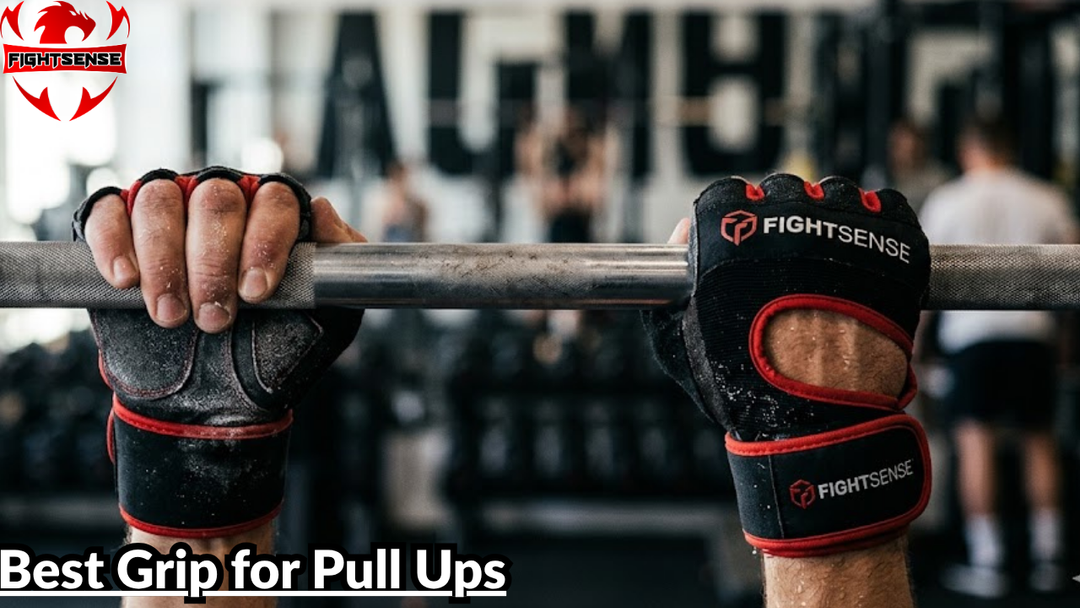
The best grip for pull ups is very important for building a strong back, bigger arms, and general upper-body strength. Pull-ups are one of the best bodyweight workouts, but a lot of people don't think about one important thing that affects how well they work: how they hold on.
The way you hold on to the bar during pull-ups influences how your muscles work, how hard they are, and even how likely you are to get hurt. That's why it's important to pick the appropriate grip if you want to grow muscle and strength quickly.
This article will show you how each pull-up grip works and which one is optimal for your fitness goals.
Key Takeaways:
- Different pull-up grips target different muscles.
- Neutral grip is best for beginners and joint safety.
- Overhand grip builds maximum back strength.
- Underhand grip improves biceps and allows more reps.
- Using multiple grips leads to better overall growth and balance.
Importance of Grip in Pull Ups:
Grip is a key factor in how well your pull-ups work and what results you obtain from them. Grip is the way you hold the bar when doing pull-ups, in simple terms. This minor alteration can make a big difference in which muscles are used, how much strength you can build, and how safe the exercise feels for your joints.
Choosing the appropriate grip not only helps you work on certain muscles, such your lats, biceps, or upper back, but it also makes you stronger and less likely to be hurt. That's why it's important for anyone who wants to grow muscle and strength quickly to know how to use pull-up grips.
What Is the Best Grip for Pull Ups for Beginners?
The neutral best grip for pull ups, with your palms facing each other, is the best place to start for beginners. This grip is seen to be the best because it puts the shoulders and wrists in a more natural and safe posture. This helps protect the joints and makes it simpler to regulate the movement.
This is especially crucial for novices since choosing the right grip early on sets the groundwork for good form, avoiding injuries, and long-term improvement in pull-up strength.
Why a Neutral Grip Works Best:
- Lessens stress on wrists and shoulders
- Makes it easier to control and stay stable
- Makes it easier to do pull-ups
Tips for Beginners:
- Grip with your shoulders apart
- Don't go too wide too soon.
- Pay attention to calm, controlled reps.
If you can't find a neutral best gripfor pull ups bar, you can use a slightly narrow overhand grip instead.
How Do Different Pull-Up Grips Help in Maximum Muscle Growth?
There are several types of pull-up grips that work different muscles, so the results you get will depend on which one you use. Wide grip pull-ups work the outside lats to make your back wider, but they are harder and limit the number of reps you can do.
Close grip pull-ups work the middle back and biceps, which helps muscles flex and grow. The neutral grip works the back and arm muscles evenly and is easy on the joints, making it the best choice for overall development. Combining a neutral grip with an overhand grip is the best way to build strength and muscle.
Types of Pull-Up Grips Explained:
Knowing the different sorts of grips will help you train better and prevent plateaus.
Grip from above (pronated)
Your palms should be facing away from you in this grip. It mostly works the upper back and lats, which makes it one of the finest ways to increase pulling strength.
Chin-Up with an Underhand Grip
In this case, your palms are facing you. This grip puts more work on the biceps, which makes it easier for most individuals to do.
Grip that isn't too tight
This hold, with palms facing each other, balances muscle activity and lowers stress on the joints. It is also the safest choice for training over time.
How to Choose the Best Pull-Up Grip for Strength vs Endurance?
The grip you choose should help you reach your training goal.
Training for strength
- To get stronger:
- Use a wide or overhand grip
- Add weight to make it harder.
- Keep the number of reps low and the intensity high.
Training for Endurance
- For more reps and longer workouts:
- Use a neutral or underhand grip
- Pay attention to volume
- Do more sets of the same thing
Because it works the biceps more, an underhand grip usually lets you do more reps.
Joint Safety and Injury Prevention:
Pull-ups are highly effective, but poor grip selection can lead to discomfort or injury.
The safest option for most people is the neutral grip.
Key Benefits
- Keeps shoulders in a natural position
- Reduces stress on joints
- Minimizes wrist strain
What to Avoid
- Extremely wide grips
- Fast, uncontrolled movements
- Ignoring pain signals
If you experience pain, adjust your grip immediately.
Advanced Pull-Up Grip Techniques:
Adding variety and increasing intensity are good for advanced lifters.
Useful Methods
These changes help you get beyond plateaus and do better overall.
Why Should You Train With Multiple Pull-Up Grips?
Using different grips when you train for pull-ups helps you build a healthy upper body and avoid muscle imbalances. Using only one grip will slow down your progress and make you more likely to get hurt from misuse.
Changing the way you hold the barbell, such as overhand, underhand, or neutral, works different muscles in your back and arms, which helps them get stronger and grow. It also helps you get beyond training plateaus and makes your routines more effective over time.
Ideal Grip Width for Pull Ups:
The width of your best grip for pull ups has a big effect on how well you perform and how much muscle you use.
The best width is a little wider than shoulder-width.
Why This Works
Maximizes lat engagement
Keeps complete range of motion
Lessens the chance of getting hurt
Mistakes that happen a lot
Going too wide makes things less effective.
Too small makes the arms work too hard.
Keeping the right width can help you get better outcomes and keep your training safe.
How Smarter Training Improves Pull-Up Strength and Performance?
Better ways to train are very important for getting stronger at pull-ups, building muscle, and doing better overall. Instead of just doing pull-ups whenever you feel like it, you may achieve greater results in less time by focusing on choosing the right grip, moving in a controlled way, and making steady progress.
Fightsense promotes this smart training approach by putting more emphasis on quality movement than on quantity. Fightsense helps athletes train better, do better on pull-ups, and grow a stronger upper body over time by following these rules.
Last Thoughts:
The best grip for pull ups can make a big difference in how well you train. Each grip has a different purpose when it comes to making your upper body stronger and more balanced, whether you want to build muscle, get stronger, or improve your endurance.
Using more than one grip in your training will help you make progress faster, avoid plateaus, and lower your risk of being hurt.
Disclaimer:
This content is for informational purposes only. Train safely and consult a professional if needed.
FAQS:
Q1: Best grip for maximum strength?
Overhand grip—especially weighted—is best for building pulling strength and targeting the upper back and lats.
Q2: Does changing grip help muscle growth?
Yes, different grips target different muscles, promoting better growth and preventing plateaus.
Q3: Are wide-grip pull-ups better?
They build lat width but reduce range of motion, so use them as a variation, not the main style.
Q4: Safest grip for shoulders?
Neutral grip—it keeps shoulders in a natural, low-stress position.
Q5: How often should you change grip?
Switch grips weekly or per workout, depending on your training plan.