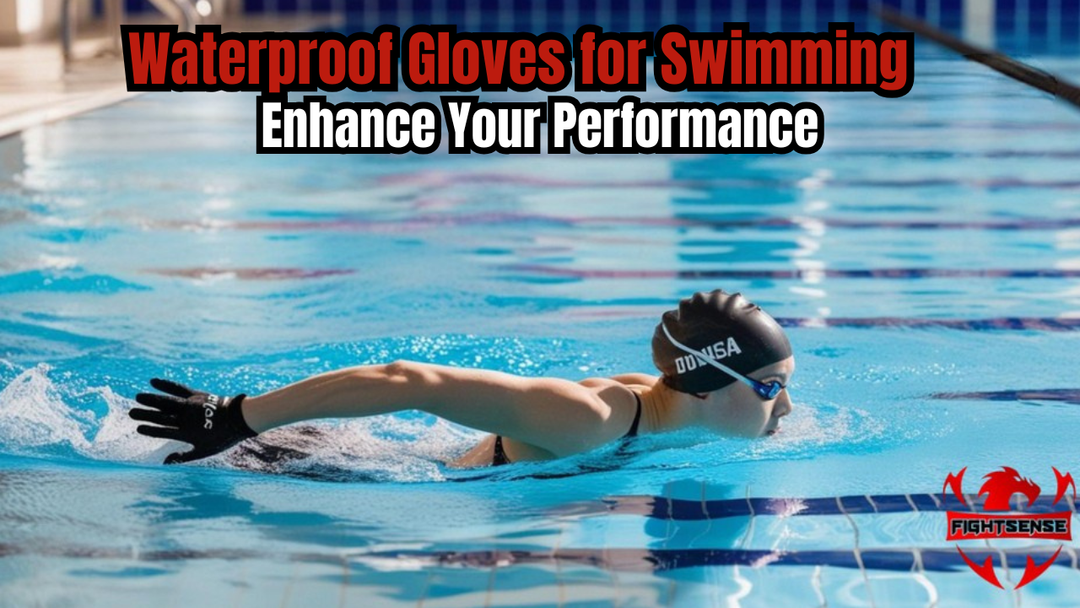
Waterproof Gloves for Swimming - Enhance Your Performance
Swimming becomes more effective and enjoyable when you have the right gear. One simple upgrade many athletes overlook is waterproof gloves for swimming, which can boost strength, improve technique, and provide extra comfort in the water.
Keynotes
- Swimming gloves strength and endurance of muscles.
- Superior materials guarantee comfort and durability.
- Correct fit improves performance and helps to prevent discomfort.
- While open-finger designs allow flexibility, webbed gloves give better resistance.
- For swimming, regular maintenance extends the lifetime of water gloves.
Why Waterproof Gloves for Swimming Are Useful
Swimming gloves offer multiple performance benefits:
- Increase resistance to make your upper-body work harder
- Improve arm and shoulder strength over time
- Help swimmers catch and pull more water per stroke
- Enhance propulsion and endurance naturally
- Provide protection and warmth, especially in colder water
- Support swimmers in technique refinement and control
Benefits of Water Gloves for Swimming
1. Increased Water Resistance
The extra resistance waterproof gloves for swimming produce in the water is one of their main glovs's benefits. These gloves increase resistance, so forcing your arms and shoulders to do more with every stroke.
For swimmers trying to increase their upper body strength, this extra work helps build muscles, hence they are a great alternative.
2. Improved Stroke Technique
Additionally useful for improving stroke technique is swimming with water gloves. These gloves' well-designed hands help to correct hand posture, therefore enhancing efficiency and lowering drag.
Using gloves will help you improve control and smoother strokes regardless of your level of experience in swimming, thereby improving your performance in the water.
3. Better Endurance and Strength
More endurance follows from more resistance. Waterproof gloves for swimmingassist increase stamina over time by making arm and shoulder muscles work harder.
Regular use of these gloves can lead to stronger muscles and more endurance, thereby facilitating longer swim times free from early tiredness.
4. Comfortable and Flexible Design
Comfort and flexibility are top concerns in modern swimming gloves. They preserve an ideal grip in the water and free finger movement is possible.
Many designs make use of lightweight, quick-drying materials that guarantee a snug but airy fit, therefore avoiding discomfort even over long wear. For swimmers of all stripes, their mix of comfort and utility makes them a must-have tool.
How to Choose the Best Waterproof Gloves for Swimming
To guarantee optimal comfort, durability, and performance from waterproof gloves for swimming, one must take some vital considerations.
1. Material Quality
Select gloves composed of premium silicone or neoprene since these materials offer great wear and tear resistance, durability, and flexibility.
While silicone gloves are lightweight and quick-drying, neoprene gloves provide higher insulation, so keeping hands warm in cooler seas.
2. Size and Fit
A well-fitting glove reduces hand tiredness and offers a strong grip, therefore improving your swimming performance.
Search for gloves permitting normal hand movement by fitting snugly without being overly tight. Ill-fitting gloves might cause water efficiency to drop and discomfort.
3. Finger Design
Performance relies much on the way the fingers are designed:
-
Webbed Fingers: Perfect for resistance training and water propulsion increase are webbed fingers. These gloves increase stroke power and help muscles to be engaged.
-
Open Fingers: Open fingers are appropriate for swimmers who give flexibility and a more natural hand movement top priority. Gloves with open fingers balance dexterity with resistance.
4. Usage Purpose
Think about the main reason swimming calls for water gloves:
- Casual Swimming: Casual Swimming: For leisurely swims, lightweight and flexible gloves are ideal since they offer some resistance without taxing the hands.
- Resistance Training: Enhanced webbing on heavier, more robust gloves increases water resistance, thus strengthening and endurance is developed.
- Rehabilitation & Water Aerobics: Soft and comfortable gloves enhance muscle healing and mobility, therefore helping in low-impact exercises.
5. Easy Maintenance
To keep cleanliness and extend the lifetime of your gloves:
- After every usage, give them a thorough rinse with fresh water to eliminate salt or chlorine.
- Let them dry totally to stop bacterial growth and bad smells.
- To keep their shape and prevent material degradation, keep them cold, dry.
Real-Life Experience
A swimmer preparing for fitness training started using gloves of swimming during regular pool sessions to increase resistance naturally. At first, every stroke felt heavier because the water push against the hands was stronger than usual.
After a few sessions, the swimmer noticed improved arm strength and longer stamina during laps. Movements also became more controlled, especially during freestyle strokes where hand positioning matters most.
Even without changing the workout routine, the training started feeling more intense and effective. Over time, the swimmer could complete longer sets with less fatigue and better overall confidence in the water.
Shop Now!
Conclusion
Glove for swimming are a smart way to level up your water training without changing your routine. They enhance propulsion, increase resistance, improve endurance, and keep your hands protected making every stroke more powerful and efficient.
With the right pair chosen for your needs, swimming becomes stronger, smoother, and far more rewarding.
Disclaimer
The material offered is just for educational use. Before deciding on any kind of exercise, always see a specialist.