
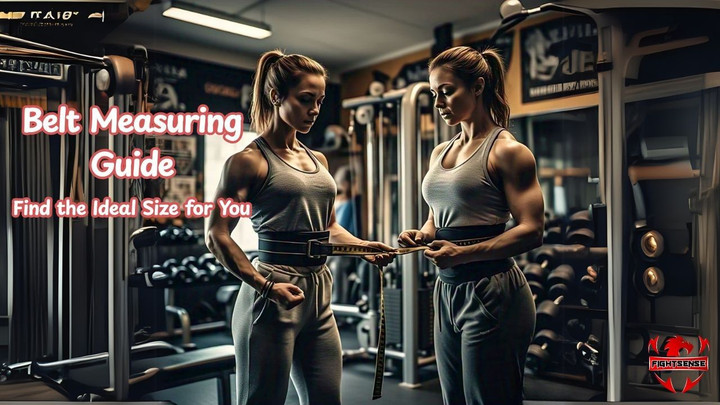
Belt Measuring Guide: Find the Ideal Size for You
22nd Mar 2025
Belt measuring guide is essential for finding the perfect belt size, whether for daily wear or heavy lifting. A well-fitted belt provides maximum support, helps prevent injuries, and ensures you perform at your best. But how do you choose the right size? The key is knowing how to measure your belt accurately.
In this guide, we’ll walk you through the steps to measure your belt correctly so you can get the ideal fit every time. Use this belt measuring guide to ensure comfort, support, and confidence with every wear.
Key Highlights:
-
Always use a soft tape measure to measure your waist at its narrowest point.
-
Choose a belt that fits snugly but still allows comfortable movement.
-
For the most accurate sizing, refer to the belt manufacturer’s measurement guide.
-
Consider the activities you’ll be doing when selecting your belt size.
-
Test the belt before heavy lifting to ensure it provides proper support and comfort.
How to Find Your Perfect Belt Fit:
A well-fitted belt should be comfortable—not too tight or too loose. Using a belt measuring guide, start by measuring your waist with a soft tape just above your belly button, snug but not tight, and note the measurement. Consider how you’ll wear the belt—over clothes or on your skin—as this may affect the size you need.
Always check the manufacturer’s size chart, since sizing can vary between brands. Finally, choose a belt with adjustable features, like multiple holes or a Velcro strap, to ensure a perfect, supportive fit.
Belt Measurement Guide: How to Choose the Best Fit:
When choosing a belt measurement guide, you should think about what the belt is for and how much you know about pulling. For new lifters, a bendable neoprene belt might be better. For more experienced lifters, a thicker leather or nylon belt is usually better. A thicker leather or nylon belt is typically preferable for lifters with more experience.
A thicker leather or nylon belt is typically preferable for lifters with more experience. The belt measure guide tells you how wide and thick the belt is. How thick or wide the belt is will depend on how hard you train.
| Belt Type | Belt Width | Perfect For |
|---|---|---|
| Everyday Wear | 2 inches (Narrower) | Light lifting, casual outfits |
| Heavy Lifting | 3 to 4 inches (Thicker) | Bodybuilding, powerlifting, big lifts |
| Weightlifting Belt | 4 inches (Wide) | Maximum support for lifting heavy weights |
Weightlifting Belt Size Guide: Find Your Ideal Fit:
The weightlifting belt size guide is very important for people who use belts for weightlifting to make sure they get the right support and avoid getting hurt. Weightlifting bands raise the pressure inside the abdomen, which supports the lower back and spine. It is safe to lift more weight if you have the right belt.
- Measure Around the Belly Button: If you want to buy a weightlifting belt, you should measure around the belly button. This is where the belt will sit, which is usually just above the belly button. This makes sure that the belt supports the lower back properly.
- Pick the Right Width: A 4-inch belt width is best for weightlifting. This makes sure that the belt gives enough support without getting in the way of moving.
Tips for Using a Belt Measuring Guide Correctly:
To get the most accurate belt size, start with a soft measuring tape to measure your waist. This ensures the belt will fit comfortably and snugly. Once you have your measurement, refer to the belt manufacturer’s size chart to match your waist to the correct belt size.
A belt should feel snug but not overly tight—if unsure, it’s better to go up one size, as you can always tighten it. Finally, try on the belt before heavy lifting to make sure it provides proper support without causing discomfort.
Shop Now !
How to Figure Out What Size Lifting Belt to Get:
Lifting belts are important for keeping your balance and supporting your lower back when you lift big things. The belt measuring guide makes sure that your belt fits well and gives you enough support.
Look for a belt with adjustable tightness: Search for a belt that has the ability to adjust its tightness: You should be able to change how tight your belt is so that it fits perfectly without being too tight.
Check the width of the belt: Make sure you look at the belt's width. A wider belt (3–4 inches) will allow you to move more safely. It is also important to check the type of buckle, whether you like buckles or Velcro.
Mistakes People Make When They Measure Their Belt:
In order to get the right fit, don't do these usual things:
1. The wrong place to measure: Never measure around your hips, always around the smallest part of your waist.
2. Getting a belt that is too tight: A belt that is too tight can cut off your circulation and make it harder to move properly.
3. Not Taking the Belt's Use into Account: A belt for fashion should fit differently than a belt for lifting weights. Make sure you choose the right style for your needs.
FAQS:
1. How do I measure my waist for a belt?
Use a soft measuring tape around the narrowest part of your waist, snug but not tight.
2. Should I size up if I wear thick clothes?
Yes, consider a larger size to accommodate extra fabric.
3. Can belt sizes vary by brand?
Yes, always check the manufacturer’s size chart for accuracy.
4. How tight should a belt fit?
It should be snug but still allow comfortable movement.
5. Can I adjust the belt after buying?
Yes, choose belts with multiple holes or adjustable straps for a perfect fit.
conclusion:
Getting the right belt size is essential for comfort, performance, and safety. Fightsense weightlifting belts are designed to provide strong support, but to get the most out of them, you need a proper fit. Use our comprehensive belt measuring guide and sizing chart to choose a belt that matches your body type and training level.
A correctly fitted Fightsense belt improves core stability, helps prevent injuries, and lets you lift with greater power and confidence, making it an essential part of any serious training routine.
Disclaimer:
This information is for guidance only and should not replace professional advice—always consult a fitness expert before buying or using a pulling belt to ensure proper fit and safe use.