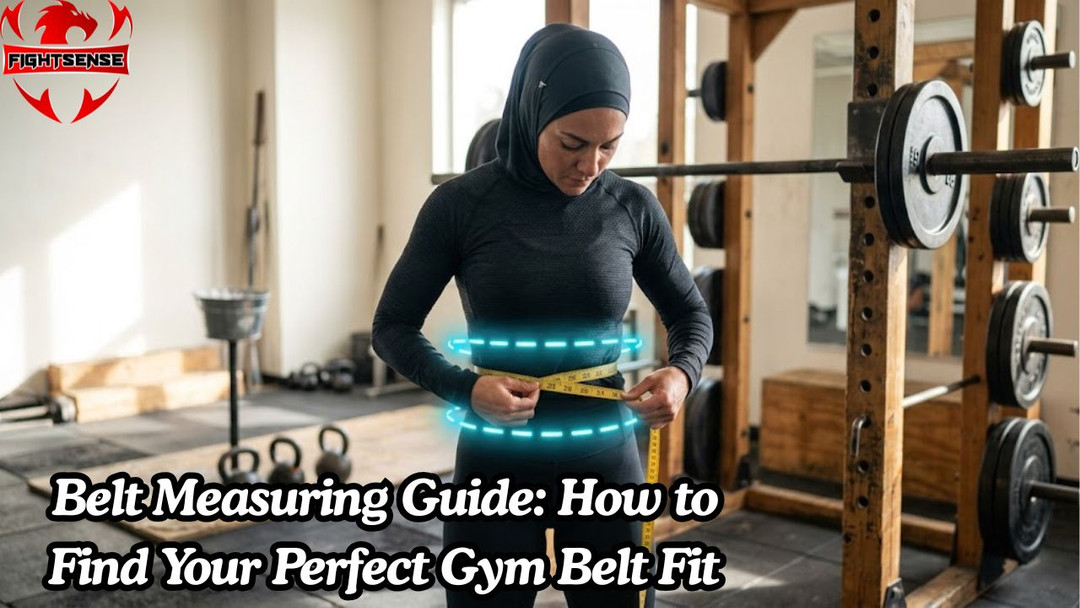
Belt Measuring Guide: How to Find Your Perfect Gym Belt Fit
Getting stuck with an ill-fitting powerlifting or weightlifting belt ruins your workout, drains your confidence, and leaves your lower back vulnerable under heavy loads. If you have ever ordered a lifting belt based on your normal pant size, you likely ended up with a belt that was either way too loose or painfully tight.
This definitive Belt Measuring Guide solves that exact problem. Whether you are buying a classic double-prong leather belt or a heavy-duty lever belt, this guide walks you through the exact measurement steps, sizing nuances, and fitting tips so you get the ideal intra-abdominal pressure on every single rep.
Why Proper Gym Belt Sizing Matters for Heavy Lifts
A weightlifting belt does not support your spinal column by passively holding it straight. Instead, it gives your abdominal wall a rigid surface to push against when you perform a deep diaphragmatic breath (the Valsalva maneuver). This mechanical resistance creates high intra-abdominal pressure (IAP), stabilizing your core during heavy squats, deadlifts, and overhead presses.
When your belt fits correctly:
- Bracing increases: Your abs push firmly outward against 10mm or 13mm stiff leather without pinching your hips.
- Force transfer improves: Stiff core stabilization prevents energy leaks during powerlifting movements.
- Injury risk drops: Proper placement protects the lumbar spine from unwanted flexion or hyperextension.
If your belt is too big, you run out of hole adjustments before achieving maximum tension. If it is too small, you cannot pull enough air into your stomach to brace effectively.
Pant Size vs. Gym Belt Size: The Biggest Sizing Myth
The most common reason lifters return gym belts is relying on their jeans or pant size.
- Pant Size: Measures your lower hips or low waist where casual trousers rest.
- Gym Belt Size: Measures around your midsection across your belly button (navel), where the belt actually sits during a heavy lift.
Because waistlines fluctuate and vanity sizing exists in modern clothing brands, your pant size is almost always 2 to 4 inches smaller than your true gym belt measurement. Always use a flexible measuring tape directly on your torso rather than checking your clothing tags.
Tools You Need Before Measuring Your Waist
Before taking your measurement, gather these essential items:
- Flexible Cloth/Tailor’s Tape: Avoid rigid steel construction tape measures, as they warp around body curves and skew numbers.
- Partner or Mirror: Helps ensure the tape stays level across your back.
- Your Lifting Gear: Wear the typical shirt or gym outfit you train in daily.
Pro Tip: If you do not own a flexible measuring tape, wrap a piece of non-stretching string around your midsection, mark the intersection point, and lay the string flat against a standard ruler.
Step-by-Step Belt Measuring Guide for Lifting
Follow these four simple steps to capture your true waist circumference:
Step 1: Stand in a Relaxed Position
Stand upright on a flat surface with your feet shoulder-width apart. Keep your posture natural—do not suck in your stomach, flare your ribs, or puff out your abs.
Step 2: Locate Your Navigation Point
Find your belly button (navel). For most powerlifters and strength athletes, the belt sits centered directly over or slightly above the navel.
Step 3: Wrap and Level the Tape
Wrap the flexible measuring tape around your torso at navel height. Check in a mirror or have a partner verify that the tape remains parallel to the floor all the way around your lower back.
Step 4: Record the Measurement Under Light Tension
Pull the tape snug against your skin, but do not compress your midsection tightly. Take a normal breath out, let your torso settle, and read the number in inches or centimeters.
Lever Belt vs. Prong Belt: Sizing & Adjustment Differences
Different closure mechanisms require slightly different approaches when choosing your size on a measurement chart.
When selecting a heavy-duty FightSense Lever Belt, accuracy is paramount. Because moving the lever mechanism requires unscrewing the backplate, you want your measured waist size to fall directly in the middle of the belt's size bracket. This gives you plenty of room to adjust tighter for low-rep max attempts or looser during high-volume hypertrophy phases.
For traditional FightSense Prong Belts, having your waist measurement near the center hole allows quick micro-adjustments between different training movements (such as wearing a belt looser on deadlifts than on squats).
Official Gym Belt Sizing Chart
Use your measured midsection value—not your pant size—to select your size below:
|
Belt Size |
Waist Measurement (Inches) |
Waist Measurement (Centimeters) |
|
Small |
26" – 30" |
66 cm – 76 cm |
|
Medium |
30" – 34" |
76 cm – 86 cm |
|
Large |
34" – 38" |
86 cm – 96 cm |
|
X-Large |
38" – 42" |
96 cm – 106 cm |
|
2X-Large |
42" – 46" |
106 cm – 116 cm |
Common Sizing Mistakes to Avoid
- Sucking in Your Gut: Pulling your stomach inward produces an artificially small measurement, resulting in a belt that will not latch during heavy bracing.
- Measuring Over Thick Clothes: Measuring over heavy hoodies or thick winter jackets inflates your numbers. Measure over a thin gym shirt.
- Flexing Your Abs to the Max: Flexing forcefully expands your midsection outwards. Keep your abdominal area neutral while measuring.
- Selecting an Extreme Size Border: If your waist measures exactly 34 inches and falls on the edge between Medium and Large, evaluate your training goals. Choose Medium if cutting down, or Large if planning a bulking phase.
- Ignoring Belt Width: Standard powerlifting belts are 4 inches wide. Shorter lifters with a small distance between their ribs and hip bones may want to check edge positioning to avoid uncomfortable rib pinching.
Expert Tips for Maximum Brace & Intra-Abdominal Pressure
- Dial in Belt Placement: Some athletes prefer placing their belt slightly higher above the navel for deadlifts to allow deeper hip flexion, while keeping it central for back squats.
- Break in Genuine Leather: Premium 10mm or 13mm genuine leather belts from FightSense offer maximum stiffness. They soften up over time to roll comfortably around your torso without losing structural support.
- Test the Fit Test: You should be able to slide one or two fingers flat between your braced stomach and the closed belt. If you cannot expand your lungs, the belt is too tight.
Shop Now !
FAQs:
How tight should a weightlifting belt fit?
A lifting belt should feel snug enough to offer firm resistance when expanding the abdomen, but not so tight that taking a full 360-degree diaphragmatic breath becomes impossible.
Should waist measurements be taken at the belly button or hips?
Always measure at the belly button (navel level). Measuring at the hips yields an inaccurate number because lifting belts sit higher up on the torso.
What happens if a measurement falls between two belt sizes?
If a measurement lands between sizes, consider current fitness goals. Choose the larger size if gaining mass or bulking, and choose the smaller size if cutting weight or preferring a tighter fit.
Is a 10mm or 13mm belt better for beginners?
A 10mm leather belt offers an ideal balance of stiffness and flexibility, making it comfortable for most lifters. A 13mm belt provides maximum rigidity, which is preferred by advanced powerlifters.
Can dress belt measurements be used for a powerlifting belt?
No. Dress belts are worn around the low waist through pant loops, whereas powerlifting belts sit higher around the natural trunk and navel area.
Does belt thickness affect sizing selection?
Thicker belts (like 13mm leather) take up slightly more interior volume once wrapped. If a measurement is on the upper edge of a size bracket, opt for the larger size when choosing a 13mm belt.
Why do gym belts pinch the hips during squats?
Pinching usually happens if the belt is positioned too low, pulled excessively tight, or if stiff leather needs breaking in. Shifting the belt slightly higher on the torso resolves this issue.
Final Thoughts:
Finding your ideal fit should never involve guessing games. By following this simple Belt Measuring Guide and taking a quick measurement at your navel with a flexible tape, you ensure your equipment works with your body rather than against it.
Ready to upgrade your training with competition-grade support? Explore the full lineup of FightSense Weightlifting & Lever Belts to secure heavy-duty leather construction, superior core stability, and a reliable fit engineered for your biggest PRs.
Disclaimer:
This information is for guidance only and should not replace professional advice—always consult a fitness expert before buying or using a pulling belt to ensure proper fit and safe use.