
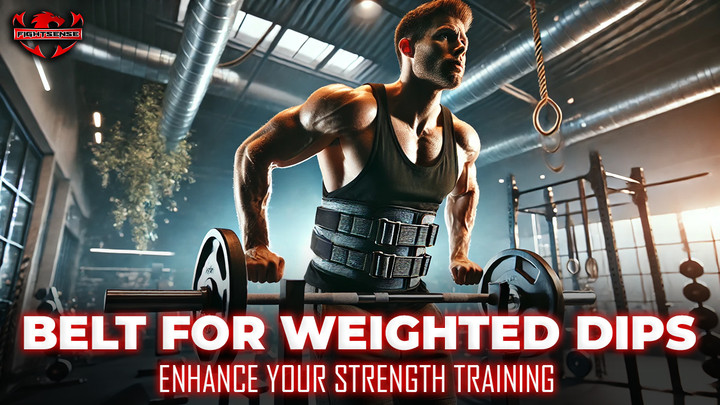
Belt for Weighted Dips: Enhance Your Strength Training
3rd Apr 2025
Belt for weighted dips is one of the most effective tools for increasing upper-body strength during dip exercises. Adding extra resistance with a weighted dip belt intensifies your workout and boosts muscle growth in the triceps, shoulders, and chest. By increasing resistance, a weighted belt helps you push past plateaus and achieve faster, more noticeable progress.
In this guide, we’ll cover the key benefits of using a dips weight belt, how to choose the right weighted dips belt, and essential tips for using a weight belt for dips safely and effectively.
Let’s get started.
Key Highlights:
- A belt for weighted dips increases resistance, therefore improving muscle growth and strength.
- Using a weighted dips belt safely largely requires on good form and moderate weight increases.
- The best belts for dips are comfortable, strong, and changeable ones.
- Adding weight to your dips is one excellent way to break past the monotony of strength training.
- Use a hefty weighted belt to take proper safety measures to avoid harm.
Why You Should Use a Belt for Dips
Those who wish to ramp up their exercise and target their muscles more precisely will find a belt useful for dips. While typical dips largely use your body weight, using a weighted belt for dips offers extra resistance and stimulates more muscle fibres, so promoting growth. Here is the evidence for you considering one:
- Increased Resistance: Adding weight enables you to recruit other muscles and enhances your dip routine.
- Better Muscle Growth: Increased resistance forces your muscles to their limit; so, with time, strength and size increase.
- Improved Performance: Regular use of a dip belt will help you to surpass plateaus and reach fresh personal bests.
How Does a Weighted Belt for Dips Work?
Usually requires hanging extra weights—usually plates—from a belt around your waist; a belt for weighted dips lets you perform dips. This higher resistance forces your muscles to work harder, therefore progressively improving your strength.
Steps for using a weight belt for dips:
- Choose the Right Weight: Determine the suitable weight. Start at a sensible weight to avoid overworking yourself; then, steadily increase as you get stronger.
- Strap the Belt Correctly: Tightly wrap the belt such that it fits your waist. The added weight should be pleasant and balanced.
- Perform Dips with Proper Form: Keeping your core engaged, make sure your shoulders stay firm while you dive with proper technique. This strategy will allow you to prevent harm and enhance the benefits of your activity.
Selecting the Best Weight Belt for Dips
You should choose a weight belt for dips that suits your requirements, as not all of them are built equal. Look for some traits and decide on your weighted belt dip:
- Durability: Wear a belt made of strong materials like nylon or leather to withstand large weights.
- Comfort: A comfortably cushioned belt will help you to maintain proper form and avoid discomfort during your exercise.
- Adjustability: Search for a belt with movable straps to be certain it tightly suits your waist.
Benefits of Using a Weighted Belt for Dips
Your exercise routine will benefit much from weight belt dips. Here are several primary benefits:
- Strength Gains: Greater resistance encourages your muscles to change, thereby developing strength and endurance.
- Better Muscle Definition: Especially the triceps and shoulders, the additional weight shapes and defines the muscles in the upper body.
- Enhanced Performance: Using a belt for weighted dips will enable you to push past plateaus and achieve new personal records by means of progressive overload.
How to Safely Perform Weighted Dips
Using a belt for weighted dips demands careful attention to safety. These guidelines address safe weighted dip performance:
- Warm-Up Properly: First warm up to prepare joints and muscles for the greater weight.
- Use Controlled Movements: Move under control; steer clear of jerking or swinging your body as you sink. Keep slow, under control movement.
- Avoid Overloading: Start with sensible weights to avoid strain or harm; then, progressively increase as you get stronger.
Conclusion
Dip Weight Belt is essential for anyone looking to improve dip performance and upper body strength. Suitable for beginners and advanced lifters, using a dip weight belt with proper technique helps maximize gains and achieve faster, more effective results.
Disclaimer
This blog serves just informational purposes. See a fitness professional or healthcare practitioner always before beginning any new exercise programme, especially one containing heavier weights or resistance.
FAQs:
1. Which weight belt suits best for dips?
The best belt for weighted dips is one that is strong, comfortable, and changeable. Look for a leather or strong nylon belt.
2. Could I perhaps use a conventional dipping weight belt?
While a traditional weight belt dip might offer additional resistance during dips, be sure it fits tightly and is designed for heavy use.
3. How weighted should I go with a belt?
Usually weighing between 10 to 20 pounds (ca. 9 kg), start with a sensible weight and increase gradually as you build strength.
4. Should novices make weighted dips?
Starting with bodyweight dips, beginners should go to weighted dips when they feel comfortable and have built enough strength.
5. I should do weighted dips; how often?
Two to three times a week, adding weighted dips into your training regimen with time for recovery between sessions.