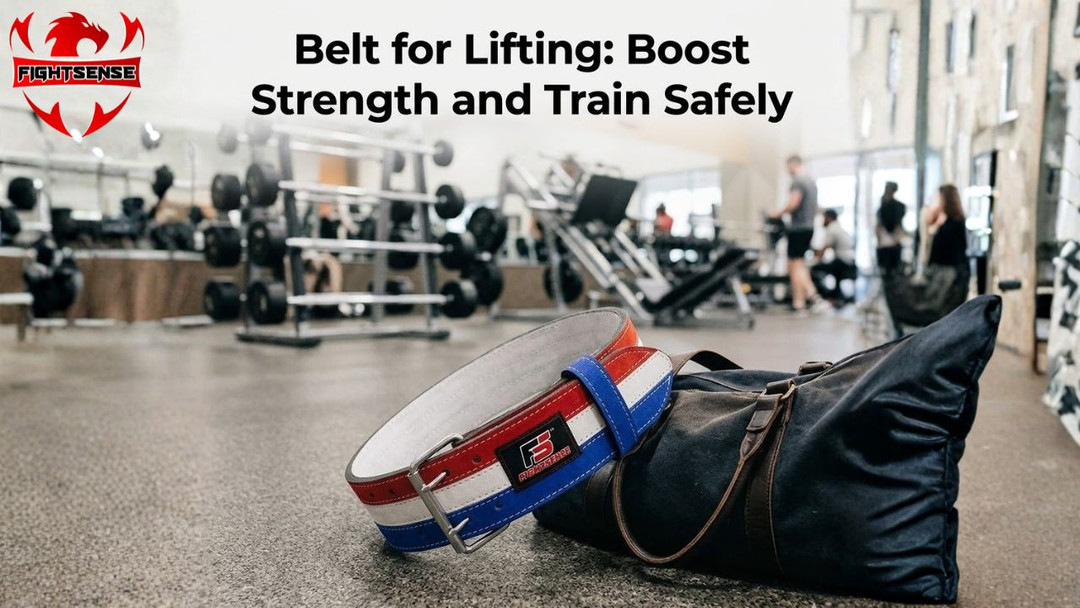
Belt for Lifting: Boost Strength and Train Safely
Belt for Lifting is one of the most essential tools for anyone serious about strength training. If you’ve ever seen someone in the gym with a thick belt around their waist while squatting or deadlifting, you might have wondered why they wear it. Weightlifting belts aren’t just for show—they provide crucial support, help protect your back, and can even improve your lifting performance.
In this guide, we’ll cover everything from the basics to picking the right belt for your lifting goals, plus how supportive gym gear from Fightsense can complement your routine
Key Highlight:
- Core Armor for Heavy Lifts – A lifting belt acts like a shield for your spine, giving your core the extra stability it needs under maximum load.
- Unlock Your Strength Potential – With proper belt support, you can safely push boundaries and lift heavier weights with confidence.
- Posture Perfecting Partner – Beyond protection, a belt subtly guides your form, helping maintain correct alignment during every rep.
- Not Just Gear, But a Mindset – Wearing a belt signals focus, discipline, and readiness—turning every lift into a deliberate, empowered effort.
What is a Weight Lifting Belt?
A weightlifting belt is a supportive strap that goes around your waist, normally made of leather, nylon, or other tough materials. It’s mostly used in support of your lower back and core when you are lifting large weights.
When you lift weights (large ones especially) your core muscles work really hard to stabilise your spine. A belt for lifting is useful in:
- Increasing your intra-abdominal pressure to protect your spine
- Better lifting biomechanics and posture
- Enabling you to securely lift greater weights
You might think of it as additional core support that helps you perform better and be less injury prone.
Why Use a Belt for Lifting?
Many newbie lifters wonder if they actually need a belt. The answer is: it depends on your objectives. Here’s why a belt may affect the game:
1. Lower back protection: Heavy lifts strain your lower back. A belt for lifting helps to distribute the load equally.
2. A good-fitting belt will help you lift more weight by stabilising your core.
3. Build Confidence: Knowing your core is supported might make you mentally stronger while trying heavier exercises.
Benefits of Using a Weightlifting Belt:
Using a lifting belt isn’t just about preventing injuries—it also helps improve your lifting experience in multiple ways:
- Better Form: A belt encourages proper posture, reducing rounding of the lower back.
- Heavier Lifts: Lifters often notice they can safely increase their weight with a belt.
- Injury Prevention: Supports your spine and reduces strain during demanding lifts.
- Core Engagement: While it might sound counterintuitive, wearing a belt can help you engage your abdominal muscles more effectively.
Different Types of Lifting Belts
Not all belts are created equal. Choosing the right type depends on your lifting style and experience level.
Standard Weightlifting Belts
These belts are generally 4 inches wide and made from leather or thick nylon. They are versatile and suitable for most strength training exercises.
Lever Belts
Lever belts feature a lever mechanism instead of a buckle. They’re easy to tighten or release, making them popular among competitive lifters who need a snug fit quickly.
Velcro Belts
Velcro belts are flexible, adjustable, and beginner-friendly. They’re not as rigid as leather or lever belts, making them ideal for general training or lighter lifts.
Specialty Belts
Some belts are designed for specific lifts like Olympic lifts or powerlifting. These often vary in thickness or tapering to match lifting style.
How to Wear a Lifting Belt Correctly?
Wearing a belt properly is just as important as choosing the right one. Follow these tips:
- Position it correctly: Place the belt just above your hips, covering your lower back and core.
- Tighten it smartly: The belt should be snug enough to brace your core, but not so tight that you can’t breathe.
- Use for heavy lifts: Belt for lifting use is recommended for squats, deadlifts, overhead presses, and other lifts where your core needs extra support.
Remember, a belt is supportive gear, not a substitute for core strength training. Your muscles still need to do the work!
Fightsense: Supporting Your Lifting Journey
Supportive workout gear is a game changer. Brands like Fightsense. Not all lifting belts are manufactured by Fightsense, but the company does make helpful equipment like weightlifting belts and lever belts.
These belts help you train smarter by giving you the support and comfort you need when lifting your heaviest. Combine your core strength with Fightsense’s dependable gear to lift safely and effectively.
Tips for Choosing the Right Lifting Belt:
- Fit is key: A belt that’s too loose or too tight won’t provide proper support.
- Consider the material: Leather belts are durable and rigid, while velcro belts offer flexibility.
- Think about your lifting style: Lever belts for quick adjustments, standard belts for general lifts.
- Set clear goals: Your choice depends on whether you’re lifting for fitness, strength, or competitive powerlifting.
Common Mistakes to Avoid with Lifting Belts:
- Wearing the belt for lifting too high or too low on your waist
- Relying on the belt for every lift, including light exercises
- Not tightening it enough, which reduces support
- Choosing a belt based solely on appearance rather than function
Avoiding these mistakes ensures your belt works as intended—keeping your lifts safe and effective.
Final Thoughts:
A lifting belt is not just an accessory, it’s a gym tool for safety, performance and confidence. Fightsense has excellent belts and supporting gear to help you lift heavier, train smarter and protect your body.
Always remember that the best lifter isn’t necessarily the one who lifts the most but the one who trains safely, regularly, and with the proper assistance.
Disclaimer:
This article is for informational purposes only. Always use lifting belts safely and consult a professional before starting any new fitness routine.
FAQs:
1: Do beginners need a lifting belt?
Not always. Beginners can benefit from learning proper core engagement first. A belt for lifting becomes more useful as you start lifting heavier weights.
2: How tight should a lifting belt be?
Tight enough to brace your core but still allowing deep breaths. You should feel supported without restriction.
3: Can I use a belt for all exercises?
Belts are best for heavy compound lifts like squats, deadlifts, and overhead presses. Avoid using them for isolation exercises like bicep curls.
4: How long does a lifting belt last?
A high-quality leather or lever belt can last years with proper care. Inspect for cracks or wear regularly.