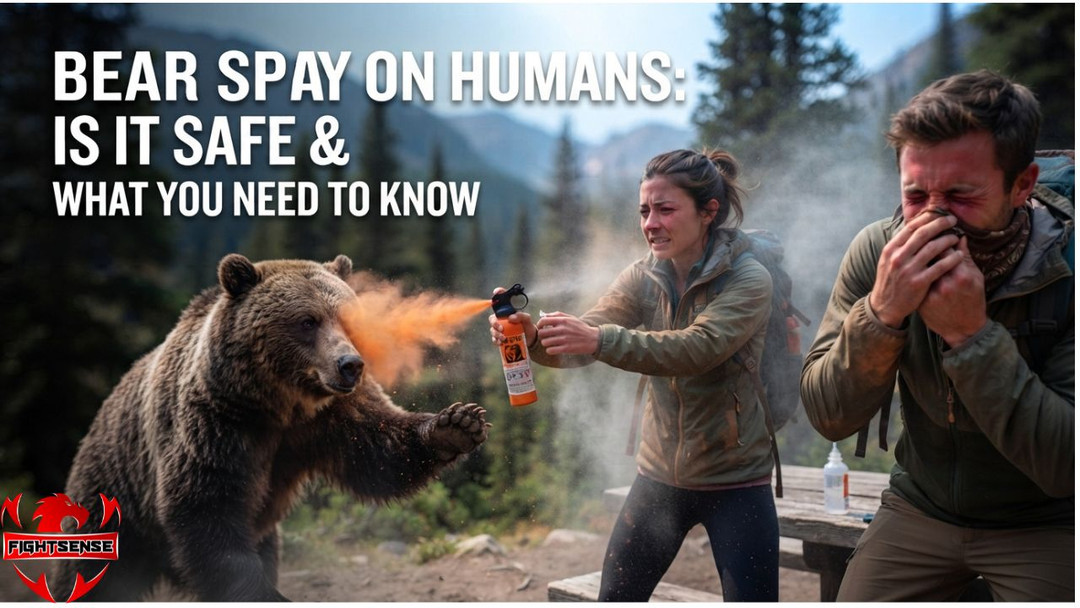
Bear Spray on Humans: Is It Safe & What You Need to Know
Bear spray is an essential tool for outdoor enthusiasts, especially in areas where bears are common. It is a powerful deterrent designed to protect humans from bear attacks. But what happens if bear spray is accidentally used on humans? Is it safe? In this detailed guide, we’ll explore the effects of bear spray on humans, how it works, and what to do if you’re exposed to it.
Keynotes:
- Bear spray is not lethal but causes severe irritation to humans.
- Immediate action includes moving to fresh air and flushing the affected areas.
- Bear spray is designed for use on bears, not humans.
- Seek medical attention if you experience difficulty breathing or prolonged symptoms.
What is Bear Spray?
Bear spray is a type of pepper spray that contains capsaicin, the active ingredient responsible for its intense heat. Unlike regular pepper spray, which is intended for self-defense against humans, bear spray is formulated to be much stronger and more potent, designed to stop a bear in its tracks. It is typically used by hikers, campers, and others who may encounter bears in the wild.
The spray works by creating a cloud of mist that irritates the bear’s eyes, nose, and lungs, causing temporary blindness, difficulty breathing, and disorientation. This gives the person a chance to escape the situation without harming the bear permanently.
Can Bear Spray Be Used on Humans?
While bear spray is designed for use on bears, its potential effects on humans are an important consideration. The short answer is that bear spray is not meant to be used on humans, but it is not lethal. However, it can cause significant discomfort and irritation. Here’s why:
- Intense Irritation: When bear spray is used on humans, it can cause intense burning and irritation to the eyes, skin, and respiratory system. The capsaicin in the spray can cause the eyes to water uncontrollably, make it difficult to see, and leave a burning sensation on the skin. If inhaled, it can cause coughing, wheezing, and shortness of breath.
- Breathing Difficulties: Bear spray can be especially dangerous if inhaled in large quantities. It can lead to severe respiratory distress, particularly in individuals with asthma or other pre-existing breathing conditions. In some cases, the irritation can cause anaphylactic-like symptoms, though this is rare.
- Temporary Effects: The good news is that bear spray is not lethal to humans. The effects, while painful and potentially dangerous in extreme cases, are generally temporary. After exposure, most people recover within a few hours. However, the discomfort can be severe, and it is crucial to seek immediate medical help if symptoms persist or worsen.
What to Do If Bear Spray Is Used on You
If you or someone else is accidentally exposed to bear spray, it’s important to act quickly. Here’s what you should do:
- Move to Fresh Air: If you’re caught in a cloud of bear spray, the first thing to do is move away from the area and get to fresh air. The chemicals in the spray are extremely irritating, and moving away will help reduce exposure.
- Flush Your Eyes and Skin: Rinse your eyes and skin with water immediately. Avoid using soap or other chemicals, as they can make the irritation worse. If possible, use saline solution to rinse the eyes, as it can help soothe the irritation.
- Remove Contaminated Clothing: Bear spray can cling to clothing and cause further irritation, so it’s essential to remove any clothes that have been exposed to the spray.
- Seek Medical Help if Necessary: If the irritation persists or if you experience difficulty breathing, swelling, or any other severe symptoms, seek medical attention immediately. While rare, severe reactions can occur, and it’s always better to be cautious.
- Legal Warning: Using bear spray on humans is a violation of federal pesticide laws and can lead to severe criminal charges.
Is Bear Spray Dangerous to Humans?
While bear spray is not designed to be harmful to humans, it can be dangerous if misused or if someone is exposed to a high dose. The main risks of bear spray exposure to humans include:
The Hidden Danger of Indoor Use: Unlike human pepper sprays that often use stream or gel formulas, bear sprays are built as wide-release foggers designed for open-air environments. If discharged inside a confined space, vehicle, or building, it creates an instant "gas chamber" effect. The aerosolized cloud fills the entire room, blinding and incapacitating everyone inside—including the person who deployed it—while contaminating HVAC systems.
Risk of Permanent Injury: While most exposures heal within hours, deploying bear spray at point-blank range (under 5–10 feet) delivers an immense volume of high-pressure capsaicin. This concentrated blast can cause severe corneal abrasions, chemical burns to the cornea, or permanent eye damage requiring urgent ophthalmological surgery.
- Eye and Skin Irritation: The most common side effects, include pain, redness, and swelling.
- Breathing Problems: Shortness of breath, coughing, or wheezing, especially for individuals with respiratory conditions.
- Allergic Reactions: In rare cases, some individuals may be allergic to the ingredients in bear spray, leading to more severe reactions.
Despite these risks, bear spray is still a safer alternative than using a firearm for self-defense in bear encounters, as it does not cause permanent harm to animals or humans.
Can Bear Spray Be Used for Self-Defense Against Humans?
While bear spray is effective for stopping bear attacks, it is not advisable and highly illegal to use as a weapon against humans.
-
Severe Legal Consequences: Bear spray is regulated by the Environmental Protection Agency (EPA) strictly as a pesticide. Using it against a human—even in self-defense in certain jurisdictions—violates federal laws and can result in felony charges such as "assault with a chemical agent" or "misuse of a pesticide."
-
High Self-Contamination Risk: Bear sprays project massive clouds designed to stop charging wildlife across 30 to 40 feet. In a close-quarters human altercation, a slight shift in wind direction or back-spray will instantly incapacitate you instead of your attacker.
Pepper sprays designed for civilian self-defense are significantly more appropriate. They utilize compact streams or gels that target human physiology precisely with minimized collateral damage.
Instead of risking legal and physical complications with wildlife deterrents, choose specialized defense tools like FightSense pepper sprays—engineered specifically for human physiology, precision targeting, and legal compliance.
Conclusion:
In conclusion, bear spray on humans is not a good idea. It’s specifically designed for use on bears and should only be used as a last resort in case of a bear encounter. If you are accidentally exposed to bear spray, the best course of action is to move to fresh air, flush the affected areas with water, and seek medical attention if necessary. The effects are temporary and painful but typically not life-threatening.
As always, be cautious when using bear spray, and remember that it's a tool for keeping both you and the bears safe in the wild.
FAQs:
1. How long do the side effects of bear spray last on a person?
Answer: The acute physical effects of bear spray on a human typically last between 30 minutes to 2 hours. While intense skin burning and temporary blindness usually peak within the first 15 minutes, residual redness, throat irritation, and eye sensitivity can linger for several hours depending on individual skin sensitivity and flush efficiency.
2. Can contaminated clothing be washed and worn again after bear spray exposure?
Answer: Clothing heavily contaminated with bear spray often needs to be discarded because capsaicin oils deeply penetrate synthetic fibers. If laundering is attempted, garments must be washed separately in hot water using heavy-duty grease-cutting detergent or dish soap multiple times, though residual oils may still trigger skin irritation.
3. What is the capsaicin concentration difference between bear spray and human spray?
Answer: Bear spray generally contains 1.0% to 2.0% Major Capsaicinoids (MC), which is formulated to overpower a bear's thick fur and immense body mass. In contrast, standard civilian self-defense sprays range from 0.18% to 1.33% MC, calibrated to incapacitate human attackers safely without inflicting excessive chemical trauma.
4. Is expired bear spray less potent or dangerous when exposed to humans?
Answer: Expired bear spray can still cause severe human irritation and chemical burns because capsaicin compounds do not degrade easily over time. However, expiration usually causes propellant pressure to fail, creating an unpredictable, sputtering stream or weak cloud that increases the risk of accidental self-contamination.
5. Can wind blowback from bear spray instantly incapacitate the user?
Answer: Yes, wind blowback is a major hazard because bear sprays project high-volume, lightweight aerosol clouds designed to cover long distances. A sudden crosswind or headwind will immediately drive the chemical mist backward into the handler's face, neutralizing them instantly.
6. How does bear spray affect pets or dogs if accidentally discharged?
Answer: Bear spray causes severe distress, acute respiratory panic, and temporary blindness in domestic pets and dogs due to their sensitive olfactory systems. Exposed animals require immediate relocation to fresh air, eye rinsing with sterile saline, and urgent veterinary observation to prevent secondary complications.
7. Are there specific state laws prohibiting the public carrying of bear spray?
Answer: While federal agencies regulate bear spray as a pesticide, certain state and municipal laws restrict its public transport, especially in urban environments, public transit systems, or federal buildings. Carrying it outside of designated wilderness or hiking zones can sometimes be classified as carrying a prohibited chemical weapon.
8. What medical intervention is required for severe respiratory distress from bear spray?
Answer: Severe respiratory distress triggered by bear spray inhalation requires emergency medical intervention, including administered oxygen, bronchodilators, or nebulizer treatments to open constricted airways. Medical professionals may also monitor patients for secondary pulmonary edema or acute asthma exacerbation.
Disclaimer:
This blog is for informational purposes only. Always consult with a healthcare professional if you experience severe reactions after exposure to bear spray or other irritants.