
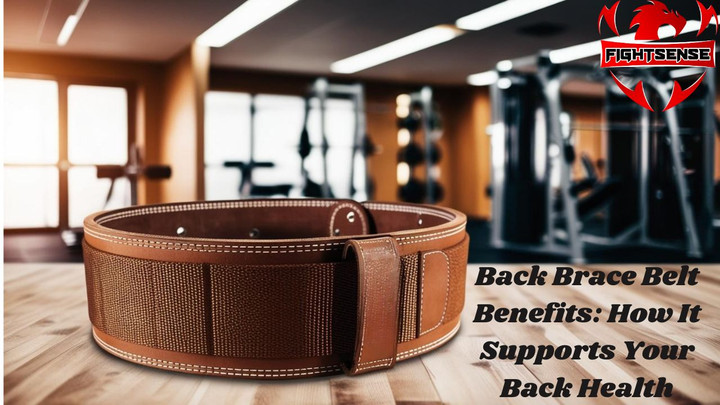
Back Brace Belt Benefits: How It Supports Your Back Health
24th Mar 2025
Back brace belt — dealing with back discomfort can make daily tasks a true difficulty. That's where proper support finds application. It can provide relief and help avoid future issues whether you're lifting something heavy, recovering from an injury, or just need some extra support.In this blog, we will discuss what a back brace belt is, the several varieties, and how it could be helpful, including the back brace for duty and the lower back brace belt.
Key Highlights:
-
A back brace belt supports the lower back and helps ease pain.
-
Lower back brace belts center on lumbar area relief.
-
Made for those in tough work: back braces for duty belts.
-
The most out of your back brace belt depends on proper fit and use.
-
Work on your back by combining brace use with exercises.
What is a Back Brace Belt?
A back brace belt is a supportive garment designed to help stabilize and protect the lower back. Typically made from elastic, neoprene, or breathable fabric materials, it applies gentle compression to the lumbar spine, which helps reduce pain, inflammation, and muscle strain. By limiting excessive movement, a back brace belt promotes proper spinal alignment and minimizes stress on the back muscles.
It is especially helpful for individuals recovering from injuries, managing chronic back pain, or performing physically demanding tasks such as lifting heavy objects. In addition to providing support, a back brace belt can improve posture and increase confidence during daily activities by offering consistent and reliable back stability.
Benefits of a Back Brace Belt:
| Benefit | Description |
|---|---|
| Resolve Pain | It provides relief from conditions like muscle strain or sciatica by supporting muscles and reducing pressure on the spine. |
| Corrective Posture | Helps improve spinal alignment during sitting, standing, or moving, promoting better posture. |
| Support During Lifting | It provides extra support when lifting heavy objects, ensuring proper form and reducing the risk of injury. |
| Reduces Additional Damage | Helps prevent further strain and overexertion for those recovering from injury or suffering from back pain. |
Types of Back Brace Belts:
1. Lower Back Brace Belt:
Specifically meant to support your lower spine is the lower back brace belt. For people with lumbar discomfort or disorders like herniated discs, it's ideal. This kind of brace offers concentrated relief by helping to equally distribute pressure.
2. Back Brace for Duty Belt:
A back brace for a duty belt is crucial for those working in physically taxing vocations like law enforcement or manual labor. Made to fit your duty belt, this kind of back brace provides additional support for long hours or heavy gear carrying.
How to Choose the Right Back Brace Belt:
1. Support Level:
Look for a back brace belt with solid support if you are healing from an injury. For minimal pain, go for a smaller choice.
Make sure the back brace belt can be easily fit around your waist. The finest support is given by a well-fitting brace without feeling overly unpleasant or tight.
Especially if you spend a lot of time wearing it, choose a back belt composed of breathable materials like neoprene to keep comfortable.
Why Back Support Matters in Everyday Life:
Back discomfort often starts small—an awkward lift, long hours of sitting, or repetitive movements—but over time it can grow into a serious limitation. Many people ignore early signs until pain begins to interfere with work, mobility, and overall quality of life. Using proper back support at the right time can reduce stress on the spine, improve body mechanics, and help you stay active and productive. A back brace belt plays an important role in managing daily strain by offering stability where your body needs it most, especially during physically demanding tasks.
How to Wear a Brace Belt?
For the best results, follow these simple tips:
-
Wear It Properly: Check that the belt fits tightly but not overly so.
-
Use It for Support: Although the brace reduces pain, avoid depending just on it; instead, strengthen your back with correct posture and exercises.
-
Take It Off When Sleeping: Take off the brace at night and give your muscles a rest while sleeping.
Shop Now !
FAQs:
1. How long can I wear a back brace belt?
You can wear a back brace belt for several hours a day if needed. However, it’s best to remove it before sleeping to avoid muscle dependency and allow your back muscles to work naturally.
2. Will a back brace belt cure my back pain?
A back brace belt helps relieve discomfort and provides support, but it does not cure the root cause of back pain. Proper exercise, posture correction, and medical guidance are essential for long-term relief.
3. Can I wear a back brace belt while exercising?
Yes. Wearing a lower back brace belt during activities like weightlifting or strenuous workouts can provide additional stability and reduce strain on the lower back.
4. How do I know if a back brace belt fits properly?
The belt should feel snug and supportive without restricting movement or causing discomfort. Adjust it to achieve optimal comfort and effective support.
5. Can a back brace belt prevent injury?
A back brace belt can offer added support, but injury prevention mainly depends on correct posture, proper training, and safe lifting techniques.
Conclusion:
Anyone who experiences back discomfort, is recovering from an injury, or needs more support during physical activity may find a back brace belt very useful. Your comfort and mobility will be much improved by a lower back brace for targeted relief or a back brace for duty belt users in physically demanding employment. Select the correct one for your requirements to enjoy less suffering and better assistance.
Disclaimer:
This blog provides broad knowledge regarding back brace belts; it is not a replacement for professional medical advice. Always consult a doctor before wearing a back brace.