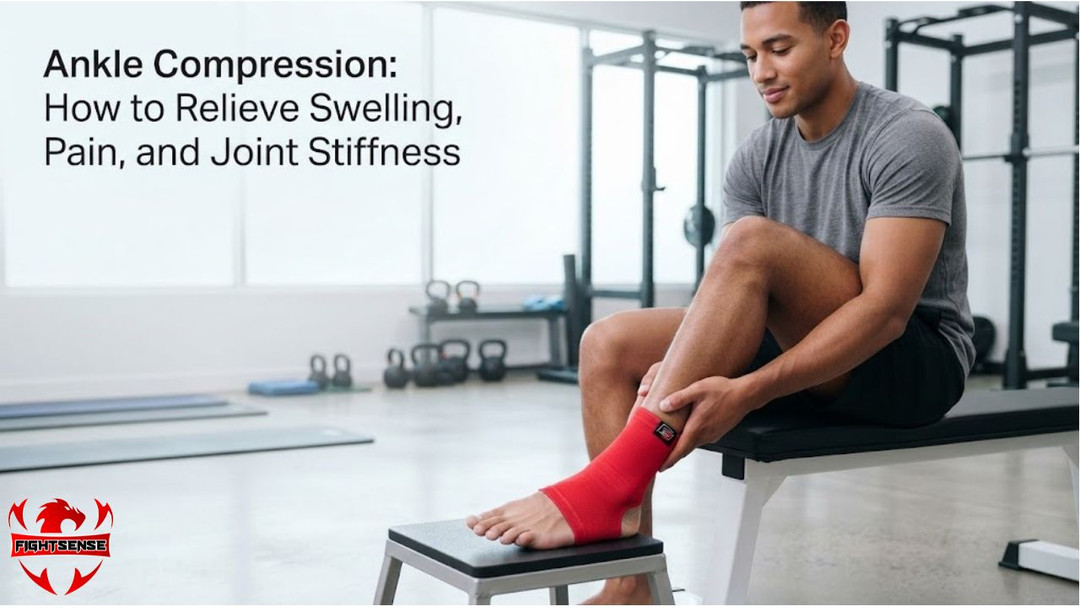
Ankle Compression: How to Relieve Swelling, Pain, and Joint Stiffness
Ankle compression is essential whether you’ve twisted your foot stepping off a curb or woke up with a throbbing joint after a long shift on your feet. If you have, you already know how quickly a minor tweak can derail your entire week.
Whether you are an avid runner, someone who spends hours standing at a desk, or just trying to bounce back from an awkward misstep, dealing with joint discomfort is frustrating. One of the most effective, science-backed ways to manage this kind of pain and speed up healing is surprisingly simple: applying the right kind of pressure using compression ankle socks for swelling or a supportive ankle brace compression sleeve.
In this guide, we will dive into everything you need to know about how it works, when to use it, and why joint support matters for daily comfort and athletic recovery.
The Basics of Ankle Compression Explained
At its core, ankle compression is the practice of applying gentle, consistent pressure to the lower joint using a specialized ankle sleeve, elastic bandage, or brace.
Think of it as a supportive hug for your lower leg. When you deal with inflammation, micro-tears in ligaments, or joint fatigue, your body often sends excess fluid rushing to the area. While this is a natural inflammatory response, it causes swelling, stiffness, and throbbing pain that actually slows down the healing process.
By applying targeted pressure, you help regulate that fluid buildup. It is not just about squeezing the joint tight; it is about stabilizing the soft tissues, boosting local circulation, and giving your ligaments the external support they need to repair themselves efficiently.
How It Works Behind the Scenes
- Promotes Fluid Regulation: It stops interstitial fluid from pooling around the joint capsule, drastically reducing that puffy, tight feeling.
- Enhances Proprioception: It heightens your body's awareness of where your joint is in space, which naturally encourages better biomechanics and prevents re-injury.
- Stabilizes Soft Tissues: It keeps ligaments and tendons aligned, reducing micro-movements that can aggravate an already strained area.
Why Sprained Ankle Compression Matters (The R.I.C.E. Rule)
If you have ever visited a doctor or searched online for injury advice, you have likely run into the acronym R.I.C.E.—Rest, Ice, Compression, and Elevation.
When you suffer a mild-to-moderate sprain, the microscopic fibers that hold your ankle bones together stretch too far or tear. This triggers immediate swelling and bruising. Incorporating sprained ankle sleeve compression right away is vital because it acts as an external ligament, keeping the joint secure while managing the internal fluid rush.
However, there is a right and wrong way to do it. You want the area to feel snug and secure, never numb or tingling. If your toes turn cold or you lose sensation, your wrap or sleeve is simply too tight.
Best Practices for Sprained Joints
- Apply Early: Use your support shortly after the injury occurs to preempt severe swelling.
- Listen to Your Body: Wear your support during active daytime hours when you are moving around.
- Give It a Break: Unless your physician explicitly tells you otherwise, take your sleeve or wrap off before going to sleep to let the skin breathe and circulation flow naturally without restriction.
Managing Daily Swelling and Joint Fatigue
We often associate joint issues strictly with sports injuries, but that is a major misconception. Swelling happens for all kinds of reasons. If you work in an environment where you stand on hard floors for eight or ten hours straight, gravity naturally pulls fluid down into your lower extremities.
Furthermore, conditions like mild arthritis, post-surgical recovery, or general wear-and-tear can cause chronic morning stiffness and throbbing discomfort by the end of the day. Using an ankle support brace with compression for swelling is a practical, non-invasive way to keep your mobility intact.
When your joints feel less heavy and puffy, you can walk more naturally, maintain your posture, and get through your daily routine without constant distraction.
Why Breathable Materials Matter for All-Day Wear
If you plan on wearing support gear throughout your workday, fabric choice is everything. A cheap, rigid neoprene ankle sleeve can trap sweat, cause skin irritation, and slide down your leg the moment you start walking.
This is why many active professionals and fitness enthusiasts prefer high-performance gear like a Fightsense ankle compression sleeve. Engineered with breathable, moisture-wicking weaves and targeted multi-zone elasticity, these sleeves provide medical-grade stability without making your foot feel like it is trapped in a sauna. They stay firmly in place under your work boots, sneakers, or casual shoes, giving you reliable support from your morning commute all the way through your evening routine.
Comparing Support Tools: Which Option Fits Your Lifestyle?
Choosing the right type of joint support depends heavily on your daily activity level, the severity of your discomfort, and whether you are dealing with a fresh injury or chronic fatigue.
|
Support Type |
Best Used For |
Key Advantage |
Potential Drawback |
|
Elastic Sleeves |
Daily wear & mild fatigue |
Breathable & fits easily in shoes |
Fixed, non-adjustable tension |
|
Adjustable Wraps |
Fresh sprains & swelling |
Customizable pressure levels |
Can loosen during heavy movement |
|
Lace-Up Braces |
Severe instability & sports |
Maximum structural support |
Bulky for casual footwear |
Hidden Factors Impacting Joint Recovery
While wearing supportive gear and following standard home-care protocols are essential, a few overlooked lifestyle factors can dramatically influence how quickly your lower extremities bounce back:
- Hydration and Inflammation: Dehydration causes your cellular tissues to react defensively, often exacerbating local fluid retention and micro-stiffening around joints. Drinking adequate water helps flush out cellular waste products.
- Footwear Geometry: Wearing completely flat shoes with zero arch support forces your ankle joint to compensate awkwardly with every step, increasing mechanical stress on healing ligaments.
- Gradual Re-Conditioning: Rushing straight back into high-intensity pivoting sports too soon after an injury leads to chronic weakness. Introducing balance board exercises and heel raises builds deep stabilizing strength over time.
Get Yours Now!
When You Should Avoid Using Compression
As beneficial as supportive sleeves and wraps are, they are not a universal cure-all. There are specific medical scenarios where applying external pressure can do more harm than good.
You should completely avoid using support wraps or tight sleeves if you are dealing with:
- Severe Fractures or Open Wounds: Compression can interfere with structural bone healing and disrupt vulnerable, broken skin tissue.
- Peripheral Artery Disease (PAD) or Poor Circulation: If your baseline blood flow is already compromised, squeezing the limb can restrict vital arterial supply.
- Suspected Blood Clots (DVT): If your swelling is accompanied by localized redness, intense warmth, or sharp tenderness, seek immediate medical help rather than wrapping it up.
- Severe Neuropathy: Reduced sensation means you might not realize if a sleeve is cutting off your circulation until real damage has occurred.
When in doubt, always consult a qualified healthcare provider or physical therapist. They can give you a personalized green light and ensure your recovery plan matches your specific injury profile.
How to Choose and Wear Your Gear Safely
Getting the absolute most out of your joint support comes down to a few basic habits. It is not just about putting a sleeve on and forgetting about it; smart usage ensures faster, safer recovery.
- Find Your True Size: Do not guess your measurements. Measure the circumference of your arch or ankle according to the manufacturer's sizing chart. Too loose provides zero benefit; too tight acts like a tourniquet.
- Keep Skin Clean and Dry: Always apply your sleeve or wrap to clean, dry skin to prevent chafing, bacterial buildup, and irritation during long wear periods.
- Layer Your Treatments: Combine your sleeve with a smart routine of alternating gentle movement, proper hydration, and elevation at the end of the day to keep inflammation completely under control.
Conclusion:
Taking care of your lower joints doesn't have to be complicated. Whether you are nursing a recent misstep, fighting off end-of-the-day stiffness from a long shift at the office, or simply trying to stay active without joint anxiety, smart recovery habits make all the difference.
By listening to your body, maintaining proper daily habits, and utilizing reliable gear—such as a breathable Fightsense support sleeve, a targeted compression sock for sprained ankle relief, or everyday compression for ankles—you can keep your mobility high and your discomfort low. Consistency is your best friend when it comes to long-term joint health. Take care of your feet, move with intention, and always consult a medical professional if your pain persists.
FAQs:
Can low-profile sleeves fit inside athletic shoes?
Yes, thin and seamless fabrics easily slip beneath standard sneakers or cleats without causing friction.
Does continuous compression weaken muscles?
No, flexible support encourages active movement and circulation rather than immobilizing the joint.
Can weather shifts affect how a sleeve feels?
Tight synthetic fabrics can feel slightly more snug and restrictive during hot, humid training sessions.
Do specialized weaves target specific tendon zones?
Advanced ergonomic designs apply variable tension precisely around the Achilles tendon and arch.
Does frequent usage cause permanent stretching?
High-grade elastane holds its shape well, but heavy daily wear and heat exposure gradually break down fibers.
Disclaimer
This content is for informational purposes only and does not substitute for professional medical advice, diagnosis, or treatment. Always consult a qualified healthcare provider regarding any injury or medical condition.