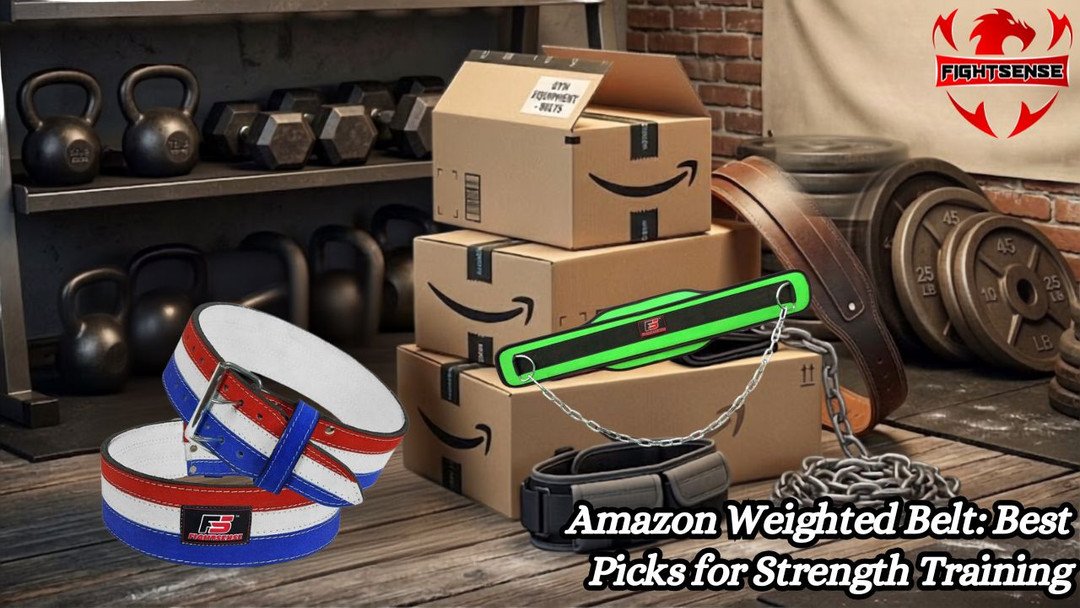
Amazon Weighted Belt: Best Picks for Strength Training
Adding extra resistance to bodyweight exercises like pull-ups, dips, and squats is the fastest way to build raw strength and muscular endurance. If you want to push past bodyweight plateaus, finding the right Amazon weighted belt can completely transform your training routine. Whether you are a dedicated calisthenics athlete targeting progressive overload or a runner seeking a weighted waist belt to burn extra calories, choosing the correct design is crucial for both performance and spinal safety.
This comprehensive guide breaks down the top-rated weighted belts available on Amazon, key features to compare, step-by-step usage instructions, and safety tips to ensure you make an informed purchase.
What is an Amazon Weighted Belt?
An Amazon weighted belt refers to a specialized fitness belt available on Amazon that allows you to attach additional weight plates, dumbbells, or integrated weight pouches to your waist.
Unlike traditional weightlifting belts designed strictly to provide intra-abdominal pressure during heavy deadlifts or squats, weighted belts are engineered to suspend load securely around your hips.
How It Works
- Chain or Strap Suspension: Heavy-duty steel chains or reinforced nylon straps loop through standard weight plates or kettlebells.
- Contoured Back Support: Wide lumbar padding distributes the downward pulling force evenly across the pelvis, preventing lower back strain.
- Carabiner Anchors: Thick steel D-rings and carabiners keep suspended weights centered during movement.
Key Types of Weighted Belts
Understanding the distinct types available on Amazon helps ensure you buy the exact tool for your training goals.
1. Weighted Dip Belts (Chain or Strap)
Designed for strength training, bodybuilders, and powerlifters. They feature long steel chains (36–38 inches) or heavy-duty nylon webbing designed to hold iron weight plates.
2. Contoured Neoprene Waist Belts
Constructed with flexible neoprene and soft interior padding. These conform naturally to your lower body, preventing digging or chafing around the hip bones during high-rep sets.
3. Integrated Wearable Fitness Belts
Featuring fixed or adjustable weight pockets filled with iron sand or small metal blocks. These fit snugly around the waist for walking, rucking, or cardio conditioning.
Top Amazon Weighted Belts Compared
Below is a streamlined comparison of the primary weighted belt categories:
|
Feature |
Neoprene Dip Belt |
Heavy-Duty Leather Belt |
Walking Waist Belt |
|
Primary Use |
Dips, Pull-ups, Belt Squats |
Heavy Powerlifting & Calisthenics |
Walking, Cardio |
|
Weight Limit |
200 – 300+ lbs |
300 – 500+ lbs |
5 – 20 lbs |
|
Comfort |
High (Soft Padding) |
Moderate (Stiff Leather) |
High (Ergonomic Fit) |
|
Durability |
High |
Maximum |
Moderate |
Step-by-Step Guide: How to Safely Use a Weighted Belt
Using a chain-based weighted belt correctly ensures optimal balance and guards against lower back strain.
- Position the Belt Correctly: Place the padded section comfortably across your lower back, resting the sides securely on your hip crests.
- Thread the Chain/Strap: Pass the steel chain through the center hole of your weight plate or through the handle of a kettlebell.
- Clip the Carabiner Securely: Clip the loose end of the chain back into the opposite D-ring. Ensure the carabiner gate is completely closed before lifting off.
- Test Weight Centering: Stand tall and allow the weight to hang naturally between your legs. Adjust the chain length so the plate hangs slightly below your hips without swinging.
- Execute Controlled Repetitions: Perform your pull-up or dip with controlled velocity. Avoid sudden swinging or jerking movements that cause the weight to sway.
Pros and Cons of Using Weighted Belts
Pros
- Unlocks Progressive Overload: Enables continuous strength gains long after bodyweight exercises become too easy.
- Reduces Spinal Compression: Compared to heavy barbell back squats, hip-suspended belt squats minimize axial load on the spine.
- Cost-Effective Home Gym Addition: A single belt allows you to use existing iron plates or dumbbells for full-body resistance.
- Versatile Application: Great for dips, chin-ups, inverted rows, and hip belt squats.
Cons
- Initial Setup Time: Requires manual threading of chains between sets.
- Potential Hip Pinching: Belts without adequate padding can dig into hip bones under heavy loads.
Expert Tips for Choosing the Right Belt
"When choosing a weighted belt for progressive resistance, pay close attention to D-ring stitch reinforcement and chain gauge thickness. A broken carabiner or torn seam under load is an immediate safety hazard."
To get the best return on investment when buying an fitness dip belt with chain, keep these technical points in mind:
- Chain Length: Look for chains at least 36 to 38 inches long. Shorter chains pinch the thighs and make loading multiple plates difficult.
- Steel Carabiner Quality: Opt for enlarged, heavy-duty carabiners with high weight ratings rather than thin key-ring style clips.
- Brand Expertise & Ecosystem: When expanding a gym setup beyond dip accessories, dedicated fitness brands like Fightsense offer reliable weightlifting gear, including specialized weightlifting belts and lever belts built for heavy spinal support during major compound lifts.
- Contoured Shape: A contoured back pad stays aligned on your waist better than a straight rectangular strap.
- Verification: Always check customer reviews on Amazon specifically looking for feedback on weight limits and seam durability under heavy loads.
Shop Now !
Common Mistakes to Avoid
- Ignoring Weight Capacity Ratings: Never exceed the manufacturer's stated weight limit, especially on standard nylon belts.
- Placing the Belt Too High: Wearing the belt around your soft lumbar stomach rather than letting it sit on the hip bones causes discomfort and poor weight distribution.
- Flaring the Legs: Swinging legs forward during weighted dips or pull-ups causes the suspended weight to bounce and destabilize your joints.
- Skipping Warm-Up Sets: Always complete unweighted warm-up sets before strapping on heavy plates.
FAQs:
What is the main benefit of buying a Pull-Up Weight Belt ?
A Pull-Up Weight Belt provides an efficient way to add progressive overload to bodyweight movements like dips, pull-ups, and squats, boosting strength and muscle development.
Can a weighted dip belt be used for belt squats?
High-capacity weighted dip belts with long steel chains perform exceptionally well for elevated belt squats without compressing the spine.
How much weight can a standard Fitness Dip Belt with Chain hold?
Quality neoprene or leather belts generally support between 200 and 300 lbs, whereas heavy-duty reinforced models handle up to 500 lbs.
Is a steel chain better than a heavy-duty nylon strap?
Steel chains provide long-term durability and classic loading versatility. Heavy-duty nylon straps operate quieter and feel lighter around plates.
Does a weighted belt cause lower back pain?
Positioned properly over the hip crests, weighted belts suspend load below the center of gravity and reduce axial spinal pressure compared to barbells.
Can kettlebells or dumbbells be loaded onto a weighted belt?
Yes, chains can be routed easily through kettlebell handles or centered underneath dumbbell heads for loading.
How tight should a weighted belt sit around the hips?
The belt does not require tight cinch tension; gravity naturally locks it in place against the hips once weight is attached.
Are weighted belts suitable for beginner lifters?
Weighted belts work best once basic bodyweight movement mastery is achieved, typically after performing 10 to 12 strict pull-ups or dips with full range of motion.
Conclusion
Investing in a reliable Amazon weighted belt is one of the most effective, budget-friendly decisions for any functional strength or muscle-building program. Prioritizing durable construction, reinforced stitching, and ergonomic back support ensures safe loading for long-term athletic gains.
Disclaimer:
This blog provides general information and should not replace professional advice. Always consult a trainer or healthcare provider before purchasing any exercise gear, including weightlifting belts.