
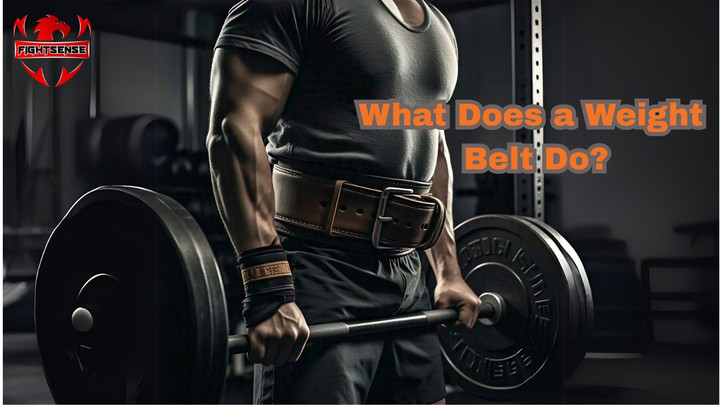
What Does a Weight Belt Do? Benefits & Uses Explained
25th Mar 2025
What does a weight belt do? For lifters trying to maximise performance and improve safety during heavy lifts, a weight belt is much more than just a piece of gym gear. We will address this question in this post by exploring the main advantages of weight lifting belts, how they work, and the best times to use them for optimal results.
Knowing how to use a weight belt will greatly enhance your li
Key Highlights:
-
A weight belt lowers spinal tension by increasing intra-abdominal pressure, therefore stabilising the core.
-
It improves lifting performance, especially in deadlifts and squats—heavy movements.
-
When executing strong compound motions or lifting above 80% of your 1RM, wear a weight belt.
-
Train your core strength on your own; avoid depending too much on the weight belt.
-
Guarantee a good fit for the best performance and support.
What Does a Weight Belt Do?
Improving your lifting performance and offering much-needed support during heavy lifts depends critically on a weight belt. A weight belt does this:
-
Fortifies Core Stability: “What does a weight belt do?” wearing a weight lifting belt forces external pressure around your abdomen area, so it strengthens your core. Bracing your core against the belt builds a solid basis that enhances your balance, posture, and general lifting form.
-
Reduces Spinal Stress: One of the most crucial purposes of a weight belt is to lessen spine tension, especially in the lower back, during large lifts. The belt's extra intra-abdominal pressure supports the spine, therefore lowering the chance of strain or damage.
-
Improves Performance: Greater core stability from the weight belt lets you raise more weight while preserving correct form. It lowers injury risk by helping you avoid curving your back or losing posture under duress, therefore enhancing general lifting efficiency.
What Do Weight Lifting Belts Do?
You might be curious, "What do weight lifting belts do?" Weight lifting belts basically raise intra-abdominal pressure to assist the spine and core. When used properly, they improve your lifting experience by giving more support and letting more weight be lifted safely. Weight lifting belts help with:
-
Improved Core Stability: The belt functions as a brace to stabilise the spine by raising pressure in the abdominal cavity, so limiting too much movement during big lifts.
-
Injury Prevention: Weightlifting belts serve to lessen the risk of lower back injuries by lowering spinal stress, particularly during movements like squats and deadlifts.
-
Boosts Confidence: With a solid core and spine, you may boldly challenge yourself with greater weights knowing that the weight lifting belt is giving additional support.
Benefits of Using a Lifting Belt:
Lifting belts are designed to support the lower back and core during heavy lifts. They help prevent the spine from flexing or rounding, maintaining a neutral posture and preserving the natural curvature of the spine, which reduces the risk of injury. Additionally, lifting belts improve breathing control, allowing for better bracing during lifts. The added support also helps distribute the load more evenly across the body, enhancing overall lifting efficiency.
How Lifting Belts Work:
Lifting belts work by increasing intra-abdominal pressure, which stabilizes the spine and helps protect it from injury during heavy lifts. By compressing the abdominal cavity, the belt provides support to the lower back, while also promoting proper bracing—breathing deeply and pushing against the belt helps maintain spinal alignment and reduces unnecessary strain.
This improved posture lowers spinal stress and distributes weight more evenly, preventing fatigue. Additionally, by stabilizing the core, the belt enhances force transfer, giving you better control and allowing you to lift heavier weights safely.
When Should You Use a Weight Belt?
Although a weight belt has many advantages, not every activity calls for it. Use a weight belt when:
-
Performing Heavy Lifts: Exercises including squats, deadlifts, and overhead presses—especially when lifting near-maximal weights—are ideally suited for a weight belt.
-
Lifting Above 80% of Your 1RM: Should you be lifting above 80% of your one-rep maximum (1RM), a weight belt can offer additional support and stability to help to prevent injury.
-
Preventing Lower Back Strain: What does a weight belt do? It will assist in shielding the spine and offer extra support while lifting if you have a history of lower back problems.
Typical Mistakes Made Using a Weight Belt:
Steer clear of these typical errors to maximise your weight belt:
-
Bad Fit: The weight belt should be tight but not overly so. It should enable you to inhale deeply and properly brace your core.
-
Using It Too Frequently: Over time, depending too much on the weight belt might damage your core. To cut reliance on the belt, make sure to also do core-strengthening exercises.
-
Using It for All Exercises: Wearing the weight belt alone during strong compound lifts will help with all exercises. It is not necessary for isolated exercises such as bicep curls or tricep extensions.
fting experience and overall safety, whether you are deadlifting, squatting, or performing overhead presses.
Shop Now !
FAQs:
1. Do I need it for every lift?
No. Only use it for heavy compound lifts like squats, deadlifts, and overhead presses.
2. How tight should it be?
Snug but still allows deep breathing for proper bracing.
3. Can I skip core training?
No. Train your core separately—don’t rely only on the belt.
4. When should I wear it?
During heavy lifts, especially above 80% of your 1RM or if your lower back is vulnerable.
5. Will it make me stronger?
Indirectly. It stabilizes your core, allowing safer lifting with better form.
Finally:
Ultimately What does a weight belt do? It helps the core greatly, straightens the spine, and lowers the danger of damage during large lifts. A weight belt used properly can increase performance and enable the safe lifting of heavier weights. For long-term effects, though, keep strengthening your core through other exercises; use the weight belt just as needed.
Disclaimer:
This material is solely for educational uses. Always consult a fitness professional before adding a weight belt to your regimen.