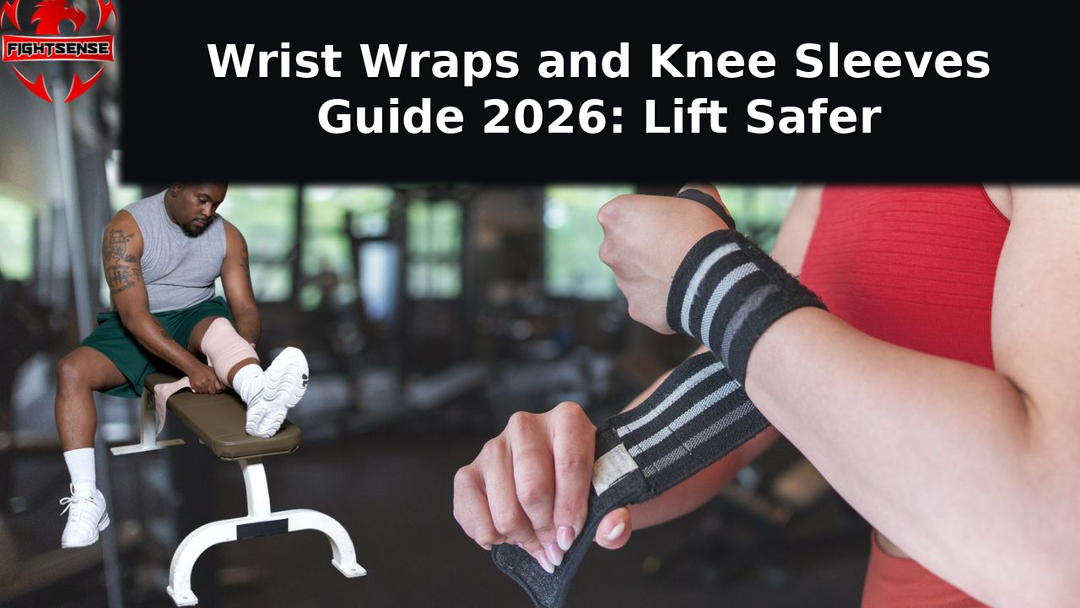
Wrist Wraps and Knee Sleeves Guide 2026: Lift Safer
Heavy squats and presses feel different when your joints feel steady. Wrist wraps and knee sleeves are two simple pieces of gear that help lifters stay comfortable under the bar, keep good form, and train week after week. This guide explains what each piece does, how to wear it, and how to pick the right pair for your training in 2026.
Keynotes
- Wraps steady the wrist during presses, cleans, and heavy holds.
- Sleeves keep knees warm and supported through squats and lunges.
- Fit matters more than thickness: snug, not numb, and easy to remove.
- Use wraps for heavy sets and sleeves on squat and leg days.
- Wash and air-dry your gear so it stays supportive for longer.
How Wrist Wraps and Knee Sleeves Work
Wrist wraps and knee sleeves give your joints firm, even support while you lift. A wrap sits around the wrist and limits how far it can bend back under a heavy barbell or dumbbell, so pressing feels steadier. A sleeve slides over the knee, adds gentle compression, and keeps the joint warm while you squat, lunge, or move between sets.
Wrist Wraps for Pressing Days
On bench press, overhead press, and heavy dumbbell days, a wrap helps your wrist stay in a straight line. Wrap it snug just below the base of your hand, check that your fingers still move freely, and tighten it for work sets instead of warm-ups. For the options, see the premium wrist wraps for the gym, and read the benefits of workout wrist wraps to match them to your training.
Knee Sleeves for Squat Days
Sleeves are most useful when your knees bend under load. Slide them up before your squat sets, make sure they sit flat with no folds behind the knee, and take them off between workouts so your legs can breathe. For a sturdy pair, look at the knee wraps for support and stability — they are a simple way to add confidence to heavy leg days.
How to Wear Them Without Discomfort
When you use wrist wraps and knee sleeves together on a full-body day, put the sleeves on first, then wrap your wrists just before your work sets. Keep both snug but comfortable: you should be able to bend your fingers and straighten your legs without pain. After a wrist sprain, support works best alongside rest and gradual training, so read the sprained wrist wrap recovery guide before you rush back to heavy loads.
How to Choose Wrist Wraps and Knee Sleeves
Start with your own measurements. Measure around your wrist for wraps and around the middle of your knee for sleeves, then check the size guide on the product page. Shorter, softer wraps suit beginners, while longer, stiffer wraps suit heavy pressing. For help picking a pair, read the guide to good wrist wraps for lifting before you buy.
Materials and Care
Wrist wraps and knee sleeves stay comfortable and supportive when you look after them. Most are made from stretchy blends of cotton, elastic, and polyester, a synthetic fibre used in many sports fabrics. Wash them in cold water after sweaty sessions, skip the dryer, and let them air-dry flat so the elastic keeps its spring.
Good care also protects the rest of your kit. Lifters who use their wraps with a deadlift belt often keep both in a dry gym bag, away from damp floors and direct heat.
Common Mistakes to Avoid
Wrist wraps and knee sleeves can support your training, but they cannot fix pain or replace good form. Do not wear wraps so tight that your hands tingle, do not keep sleeves on all day, and do not borrow a size that is much too small. If a joint hurts during a lift, stop, rest it, and speak to a doctor or a qualified coach before you train it hard again.
Wearing Both Together on Heavy Days
On your heaviest squat and press day, wrist wraps and knee sleeves work as a simple pair: sleeves for the squat sets, wraps for the presses, and both off again when you cool down. Plan the order before you start, keep rest times steady, and store your gear where you can grab it quickly. For pressing support, the premium weightlifting wrist straps can help your grip on high-volume days, too.
Why Everyday Lifters and Athletes in the US Trust FightSense for Support Gear That Holds Up
FightSense makes training gear for real lifters: simple designs, durable materials, and prices that make sense for people who train every week. Whether you are building a home gym, preparing for a meet, or just getting stronger after work, you can find wraps, sleeves, and straps that fit your routine at FightSense. Every order is backed by friendly support and fast delivery, so you can shop with confidence.
Your Next PR Starts with Steady Wrists
Grab the FightSense Wrist Wraps for Weightlifting today and feel the difference on your next heavy set. Plus, orders above $100 ship free at FightSense.
Shop Wrist Wraps NowConclusion
Well-chosen wraps and sleeves make hard training feel simpler. Pick a comfortable fit, wear them on the sets that need them most, and care for them after each session. Small habits like these add up to steadier lifts, happier joints, and more time doing the training you enjoy.
FAQs
What do wrist wraps do for lifting?
Wrist wraps hold your wrist in a straight line during presses and heavy holds. That steady position can make bench press, overhead press, and dumbbell work feel more comfortable and controlled.
What do knee sleeves do for squats?
Knee sleeves add gentle compression and warmth around the knee while you squat. They help the joint feel supported and can make deep squats feel smoother, especially on cold mornings.
Can I wear wraps and sleeves on the same day?
Yes. Many lifters wear sleeves for squat sets and wraps for pressing sets in one workout. Put the sleeves on first, add wraps for your work sets, and take both off during your cool-down.
How tight should wrist wraps be?
Snug enough to support your wrist, but loose enough that your fingers move freely and your hands do not tingle. If your fingers go numb, loosen the wrap and re-wrap it a little lighter.
How do I pick the right sleeve size?
Measure around the middle of your knee with your leg straight, then check the size guide on the product page. If you sit between sizes, choose the looser one for comfort or the tighter one for a firmer feel.
Should I wear wraps for every set?
No. Save wraps for your heavy work sets and train warm-ups without them, so your wrists keep their natural strength. Use the same idea with sleeves: wear them for squat days, not all day.
How do I wash wraps and sleeves?
Hand wash them in cold water with mild soap, rinse well, and air-dry them flat. Avoid the dryer and strong heat, which can wear out the elastic and shorten the life of your gear.
Do wraps and sleeves stop injuries?
They support your joints and can make hard training more comfortable, but they do not prevent injuries on their own. Train with good form, add weight slowly, and rest any joint that hurts.