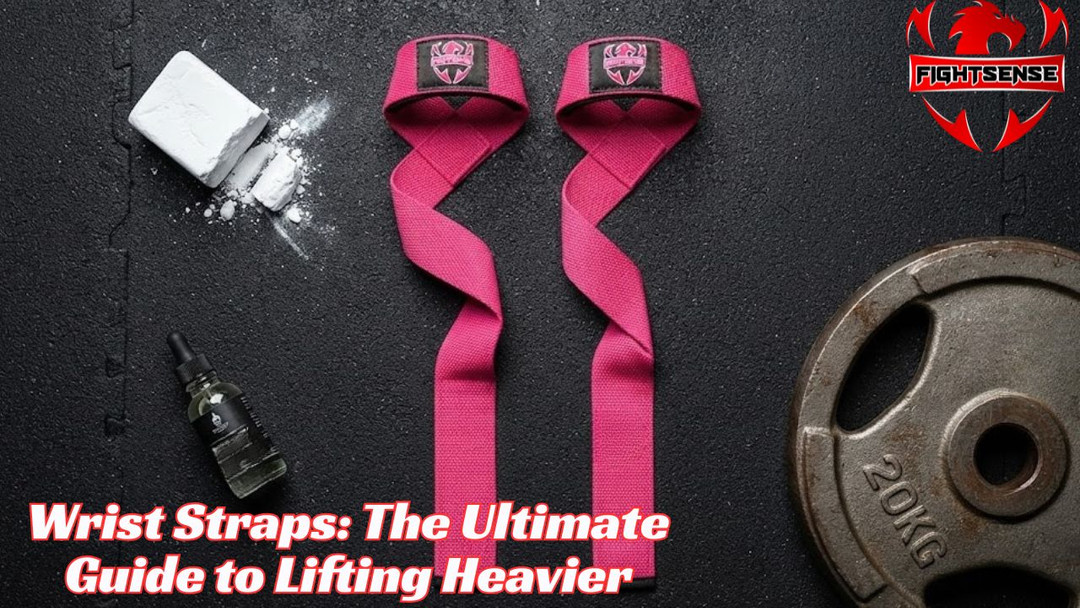
Wrist Straps: The Ultimate Guide to Lifting Heavier
Ever felt your grip give out on a heavy set while your back had plenty left in the tank? Gym wrist straps are the ultimate tool to break through that barrier and lift beyond your grip limits.
This guide covers what they do, why lifters rely on them, and how to use them safely to maximize your strength. Discover how to protect your hands from fatigue, master the proper setup, and elevate every pulling session. Say goodbye to weak grips and hello to your new personal records.
Key Takeaways
-
Maximize Pulling Power: Dominate heavy deadlifts, rows, and pull-ups without your hands failing first.
-
Crush Grip Fatigue: Eliminate forearm burnout to power through extra reps and heavier sets.
-
Isolate Target Muscles: Focus entirely on your back and lats instead of fighting the bar.
-
Train Harder, Longer: Push through intense volume without hand strain holding you back.
-
Build Lifter Confidence: Lock in complete stability from your first rep to your last.
Wrist Straps Explained: How They Boost Your Lifts:
A wrist strap is a piece of cloth, typically made from leather, cotton, or nylon, that loops around your wrists and attaches to a barbell, dumbbell, or other exercise equipment. By creating a stronger connection between your hands and the weight, gym lifting straps help relieve some of the tension on your grip.
They are primarily used to prevent grip fatigue, which happens when your hands tire before the muscles you’re actually trying to work. For example, your grip may fail during lat pulldowns even though your back muscles could handle more reps. Straps help overcome this limitation, allowing you to lift heavier and complete more repetitions safely.
Support Your Grip: When and Where to Use gym Weightlifting Straps:
Wrist straps shine during pulling exercises where grip often limits performance. Movements like lat pulldowns, pull-ups, barbell rows, and even some bicep curl variations can be cut short if your hands tire before the target muscles do.
By supporting your grip, straps let you fully engage your back, biceps, or other muscles without compromise. They’re also useful in exercises where grip can still be a limiting factor, such as heavy shrugs or Romanian deadlifts (RDLs), helping you stay secure and lift more confidently while focusing on the intended muscles.
When Weightlifting Straps Aren’t Necessary:
Skip wrist straps on pushing exercises like bench presses or dips, in grip-building moves such as dead hangs and farmer’s walks, and for beginners still developing grip strength. They should be used only once your natural grip can handle the load.
Using them too early can slow grip development and create unnecessary dependence. Focus first on building strength naturally, then add straps strategically for heavier lifts. Remember, Weightlifting Straps are a tool to enhance performance—not a substitute for proper grip training.
Step-by-Step: How to Properly Use Deadlift Straps
Proper use of lifting bands is essential for safety and results. Follow this step-by-step guide:
-
Thread the Strap: Pass the tail end through the loop to create a secure circle around your wrist.
-
Secure the Bar: Wrap the loose end under and around the bar in the direction that opposes your natural grip.
-
Twist and Tighten: Spin the bar slightly to twist the strap tight against your palm.
-
Lock Your Grip: Place your hand firmly over the secured strap and lift.
Comprehensive Overview of Wrist Straps Comparison Matrix
| Feature | Loop Straps | Figure-Eight Straps | Olympic Straps | Leather Straps |
| Best For | Bodybuilding & deadlifts | Maximal loads | Dynamic movements | Extreme heavy lifting |
| Release | Moderate / easy exit | Slow / locked-in | Instantaneous | Slow / manual unwinding |
| Material | Cotton or nylon | Layered nylon | Thin, smooth fabric | Genuine leather |
| Security | High adaptability | Maximum lockdown | Moderate | Extremely high |
| Break-In | Minimal | Moderate | None | Extensive |
Types of gym Barbell Straps: Finding Your Perfect Fit:
Choosing the fightsense wrist strap can significantly impact your training. Here's a breakdown of the common types to help you find the perfect fit for your needs:
Loop Straps:
These are the classic go-to lifting aids. Loop-style bands are simple, versatile, and easy to handle, making them great for many exercises. They wrap around your wrist and the bar, offering steady support during lat pulldowns, rows, pull-ups, and general strength training.
Figure-8 Straps:
Figure-8 straps are your best option if you require an unyielding grip. These straps are popular for heavy deadlifts and other max-effort exercises because they provide an incredibly secure connection between your wrists and the bar. By preventing slippage and offering additional support, the figure-8 shape lets you concentrate entirely on lifting.
Padded Straps:
Comfort is essential, particularly for extended or vigorous exercise. By providing an additional layer of cushioning around your wrists, padded straps lessen chafing and irritation. Padded straps can significantly improve your comfort level if you've tried regular straps and found them uncomfortable.
Important Considerations for Gym Straps
-
Avoid Dependency: While these workout accessories are an incredible tool, avoid using them for every single exercise. Continue training your natural grip to build well-rounded strength.
-
Prioritize Safety: Always ensure your lifting straps for weightlifting are secured correctly and master the proper technique before attempting to lift heavy loads.
-
Start Light: Begin with lighter weights to get comfortable with how the deadlift straps feel before progressing to your maximum working sets.
Conclusion:
Ultimately, wrist straps are your secret weapon for pushing past grip fatigue and unlocking your true lifting potential. By understanding how they work, choosing the right style for your goals, and applying proper technique, you can safely tackle heavier weights and elevate your workouts to the next level.
Just remember: straps are designed to enhance your performance, not replace your hard work. Use them smartly, keep building your natural grip strength alongside them, and watch your progress soar.
FAQs:
1. How do nylon and leather materials differ under heavy loads?
Nylon offers immediate flexibility and moisture resistance, while heavy-duty leather requires a break-in period but provides superior friction and longevity.
2. What is the difference between loop-style and Olympic straps?
Loop-style versions prioritize fast releases for sudden drops, whereas Olympic variations secure a tighter, fixed connection to the barbell.
3. At what weight percentage should you start using pulling support?
Most lifters introduce support once working sets exceed 80% to 85% of their one-rep max to preserve grip endurance for peak overload.
4. How does improper wrapping technique affect wrist joint health?
Placing the wrap too high over the joint restricts mobility, whereas securing it lower down the hand allows proper load transfer without pinching nerves.
5. Are figure-eight designs safer than traditional single-loop straps?
Figure-eight styles lock you directly to the bar with zero risk of slipping, but they make it significantly harder to bail out quickly if a lift fails.
6. How do you properly clean and maintain sweat-soaked fabric gear?
Hand washing them in warm water with mild detergent prevents odor buildup and fiber degradation caused by harsh machine washing cycles.
Disclaimer
This post is for general information only and not professional fitness advice. Consult a qualified expert before trying new training methods or using lifting aids.